3 years ago Category : Kruger-National-Park-en
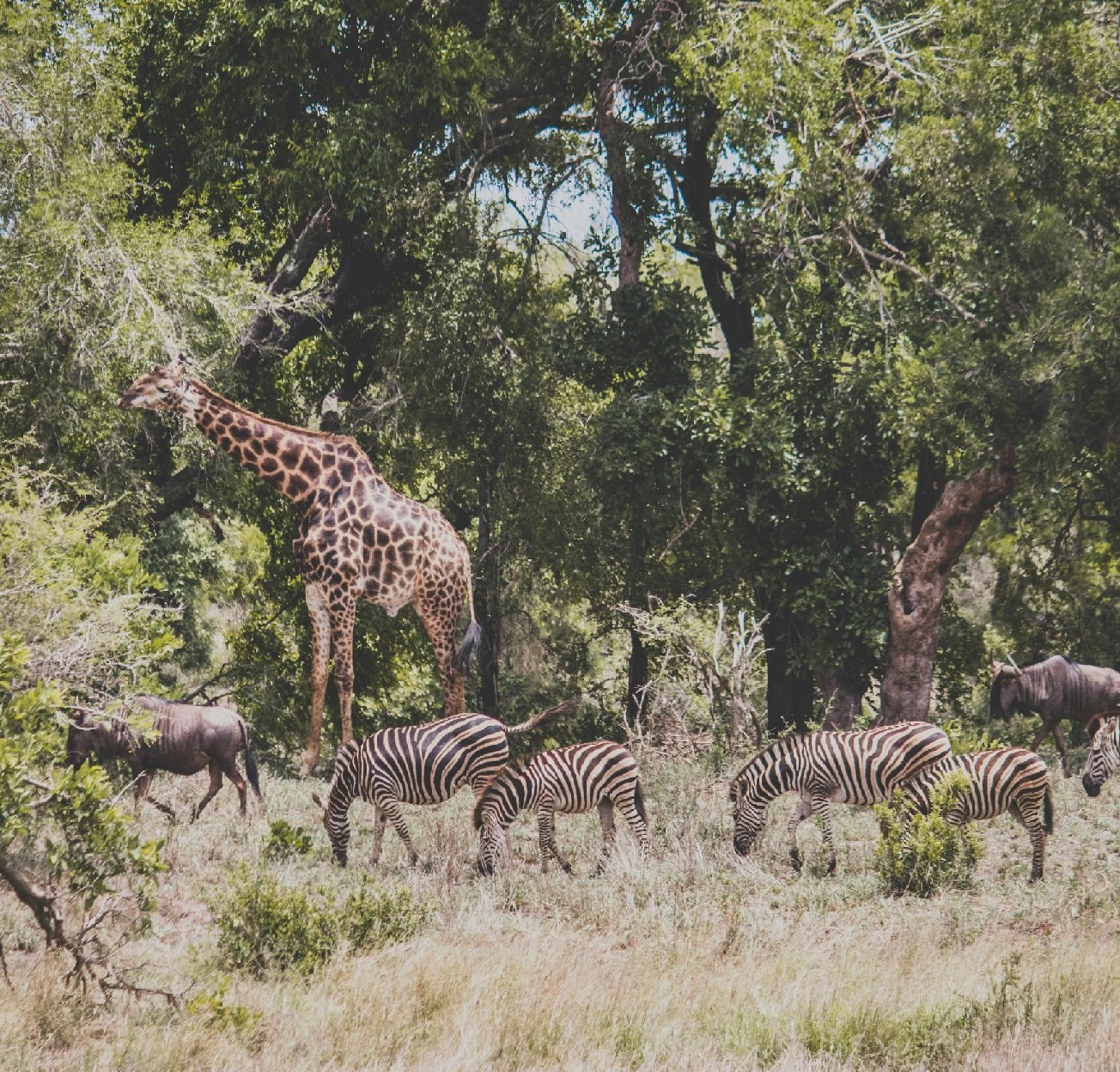
Exploring the Wonders of Kruger National Park on Big Five Safaris
Read More →3 years ago Category : Masai-Mara-en
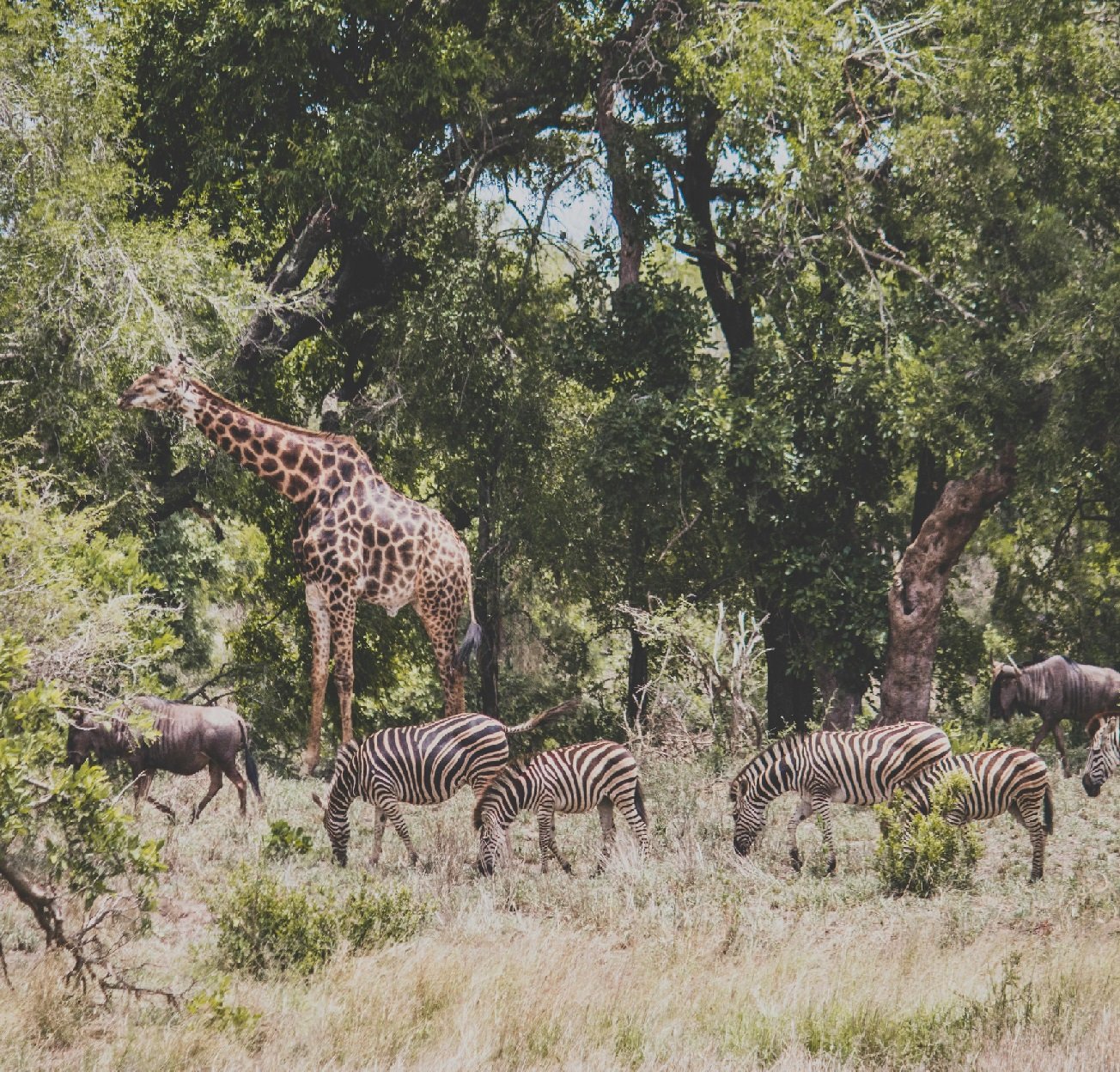
The Masai Mara is not just a spectacular destination for wildlife enthusiasts, but also a place where you can immerse yourself in the rich and vibrant Masai culture. The Masai people are a semi-nomadic group located in Kenya and Tanzania, known for their distinctive customs and traditions that have been preserved for centuries.
Read More →3 years ago Category : Masai-Mara-en
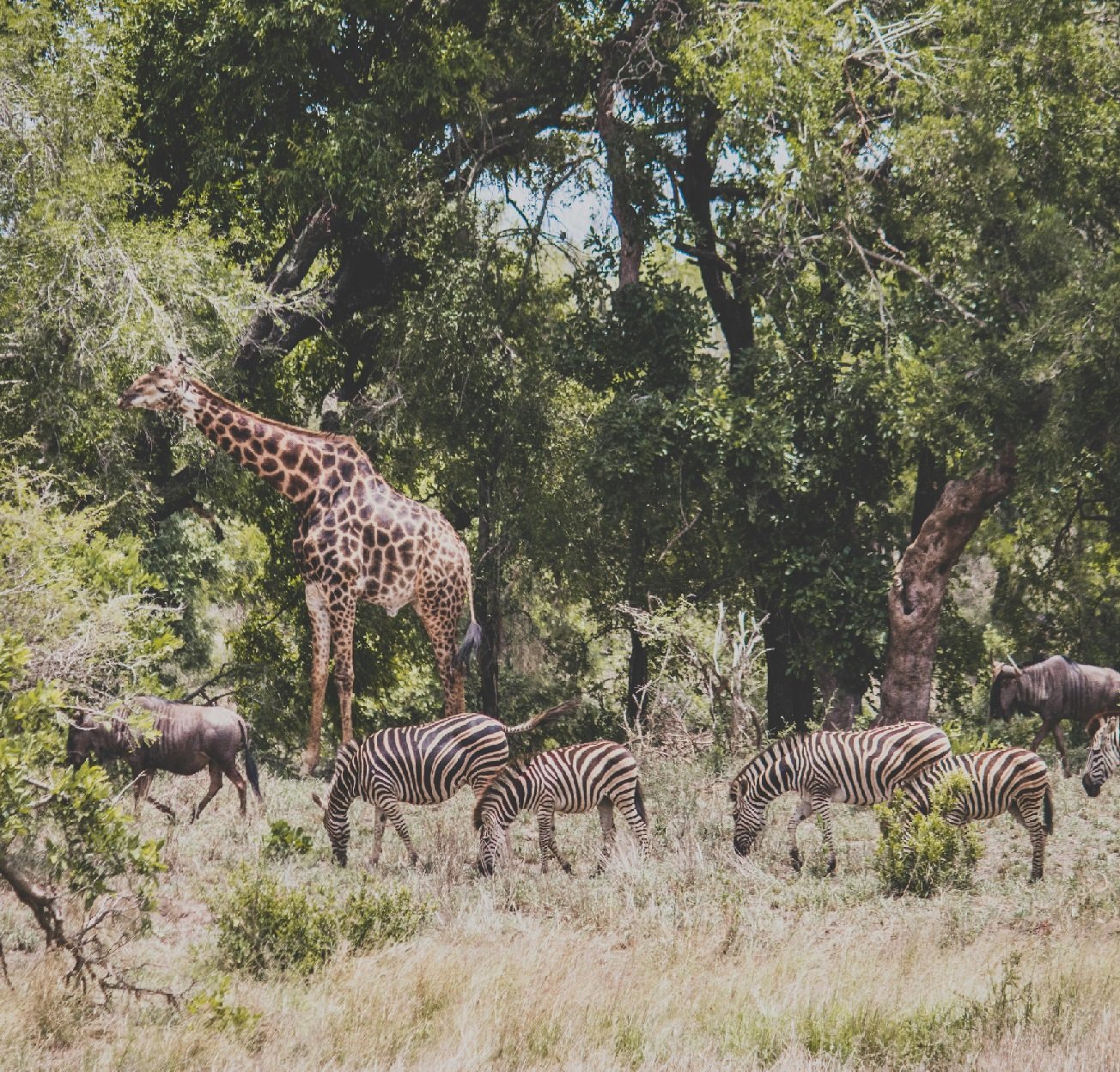
The Masai Mara is a world-renowned wildlife reserve located in southwestern Kenya. It is home to a diverse array of wildlife species, making it one of the most popular safari destinations in Africa. One of the main attractions of the Masai Mara is the annual migration of wildebeest, zebra, and other herbivores as they move in search of greener pastures.
Read More →3 years ago Category : African-Wildlife-Conservation-en
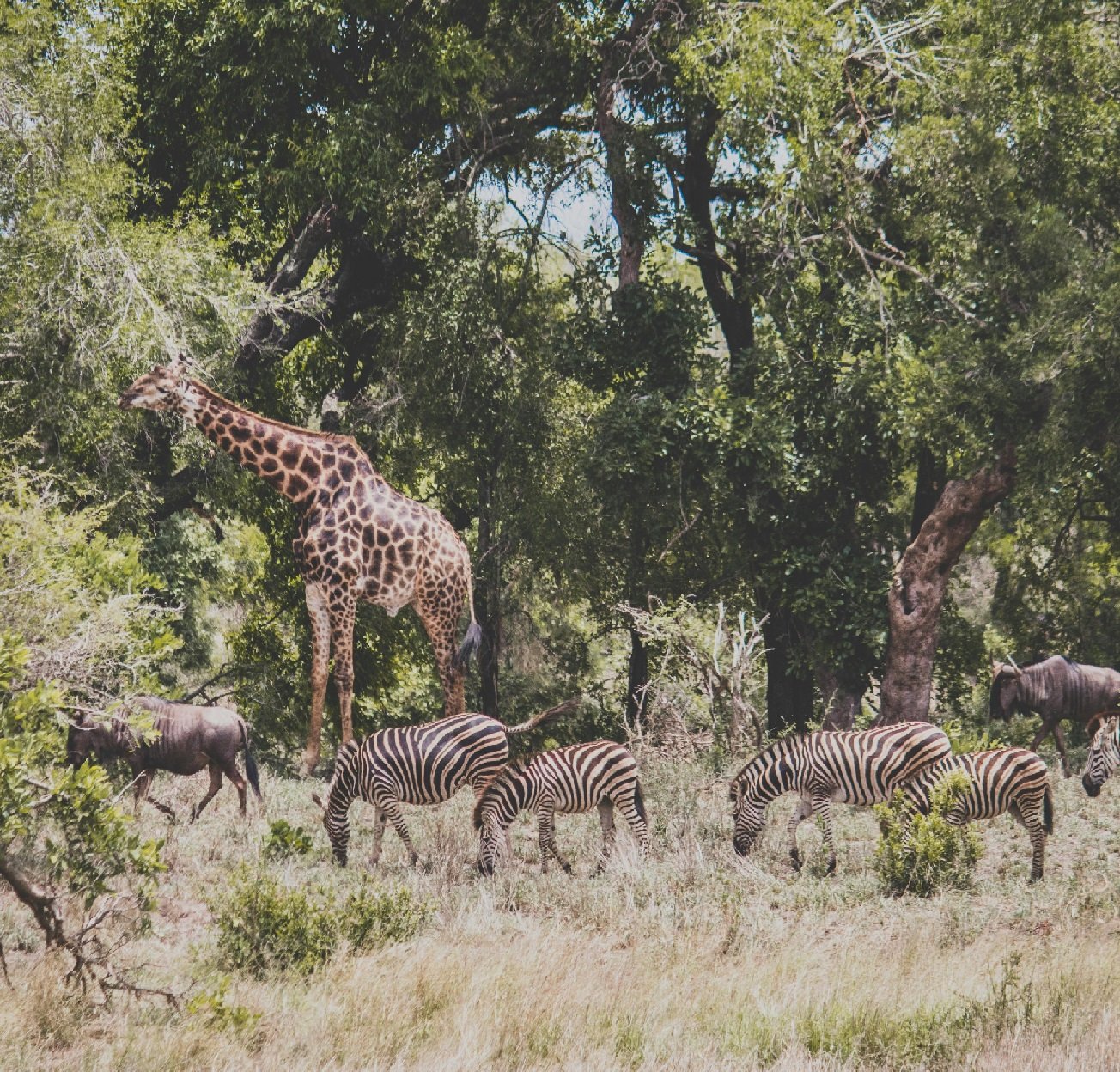
Africa is a continent known for its diverse and breathtaking wildlife, from majestic elephants and lions to graceful giraffes and colorful birds. However, the wildlife in Africa faces numerous threats, including habitat loss, poaching, and human-wildlife conflict. Conservation efforts are crucial to protecting the rich biodiversity of Africa and ensuring the survival of its iconic species.
Read More →3 years ago Category : Savanna-Ecosystem-en
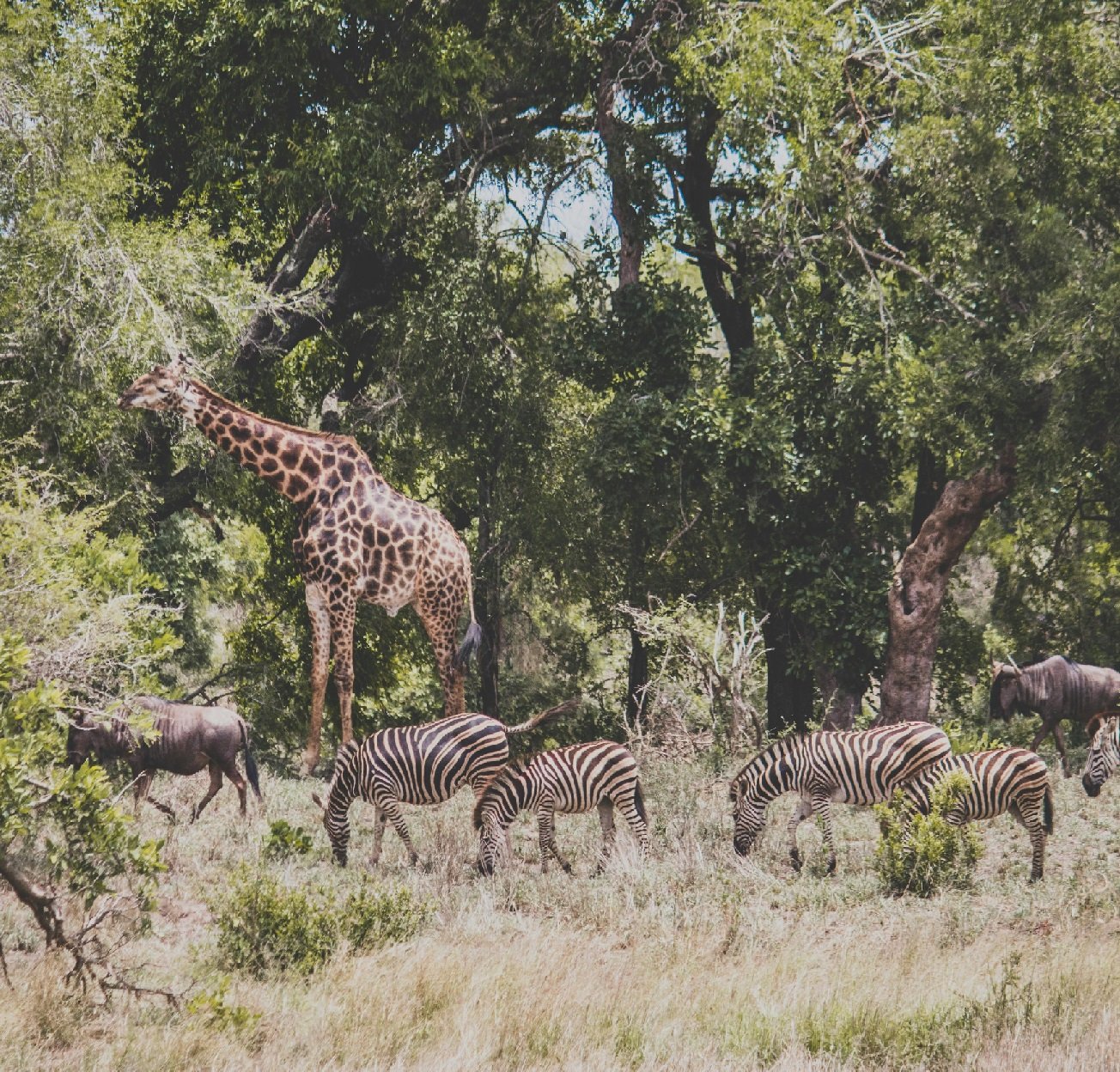
The savanna ecosystem is a unique and diverse habitat that is home to a wide variety of plant and animal species. From the sweeping grasslands to the iconic acacia trees, savannas are vital for maintaining the balance of our planet's ecosystems. However, these critical habitats are facing increasing threats from human activities, including deforestation, climate change, and poaching.
Read More →3 years ago Category : Savanna-Ecosystem-en
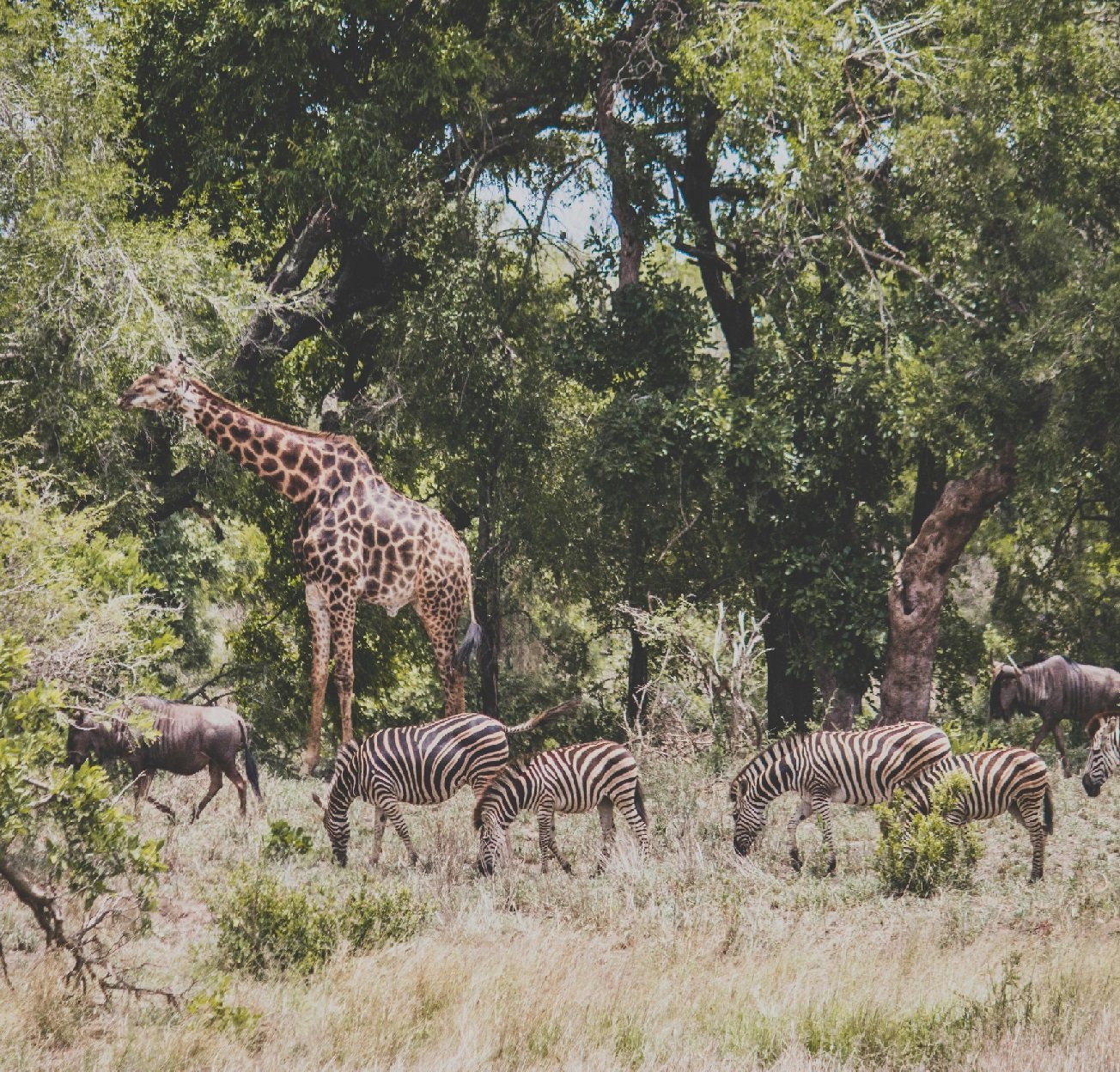
The savanna ecosystem is a unique and diverse habitat that is characterized by a mix of grasslands and scattered trees. Its climate and weather play a crucial role in shaping the environment and influencing the plant and animal life that thrive there.
Read More →3 years ago Category : Savanna-Ecosystem-en
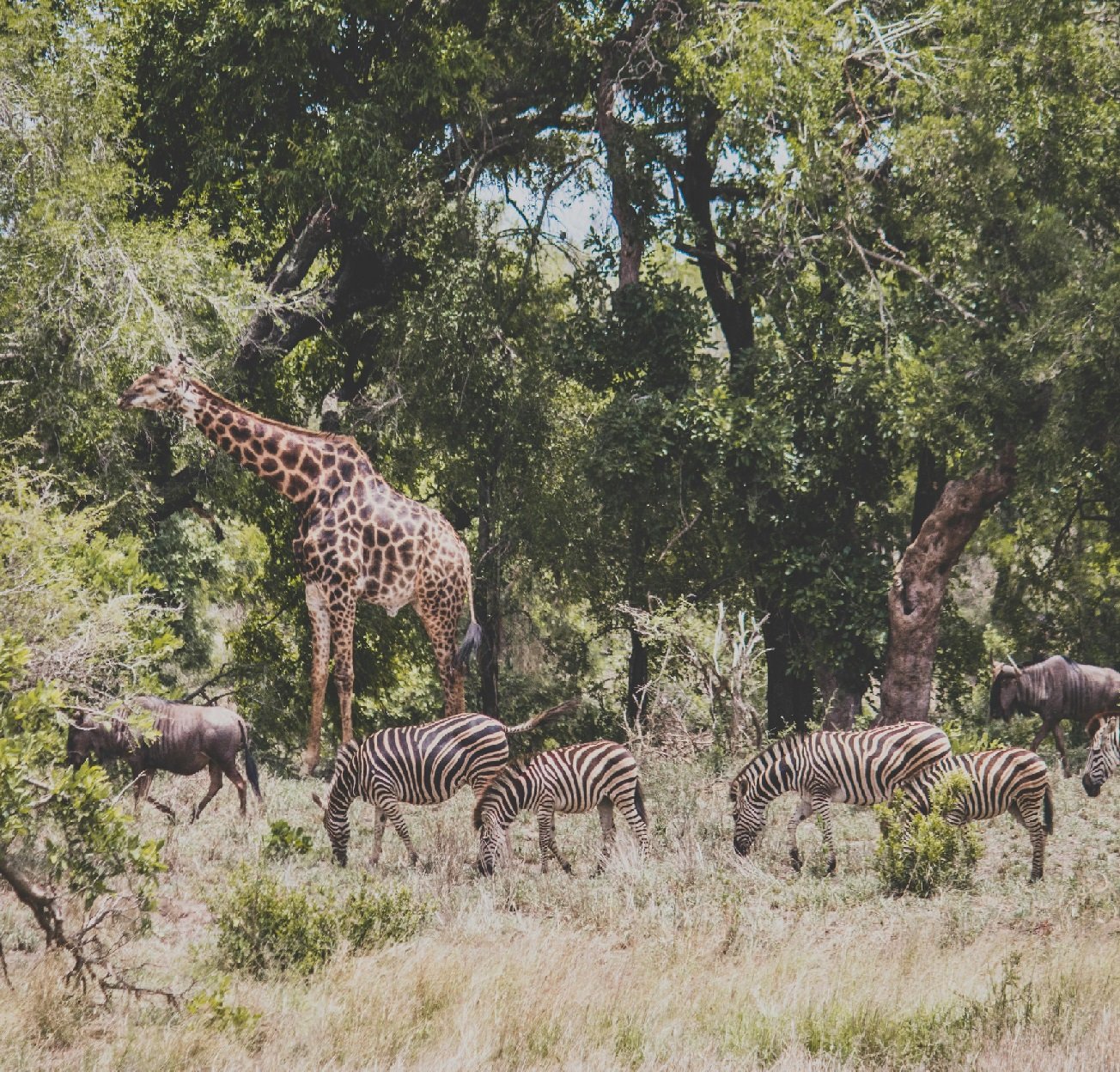
The savanna ecosystem is a vast and diverse landscape that is home to a wide variety of wildlife habitats. This unique biome can be found in various regions around the world, including Africa, South America, Australia, and India. In this blog post, we will explore some of the key wildlife habitats within the savanna ecosystem and highlight the importance of protecting these fragile environments.
Read More →3 years ago Category : Savanna-Ecosystem-en
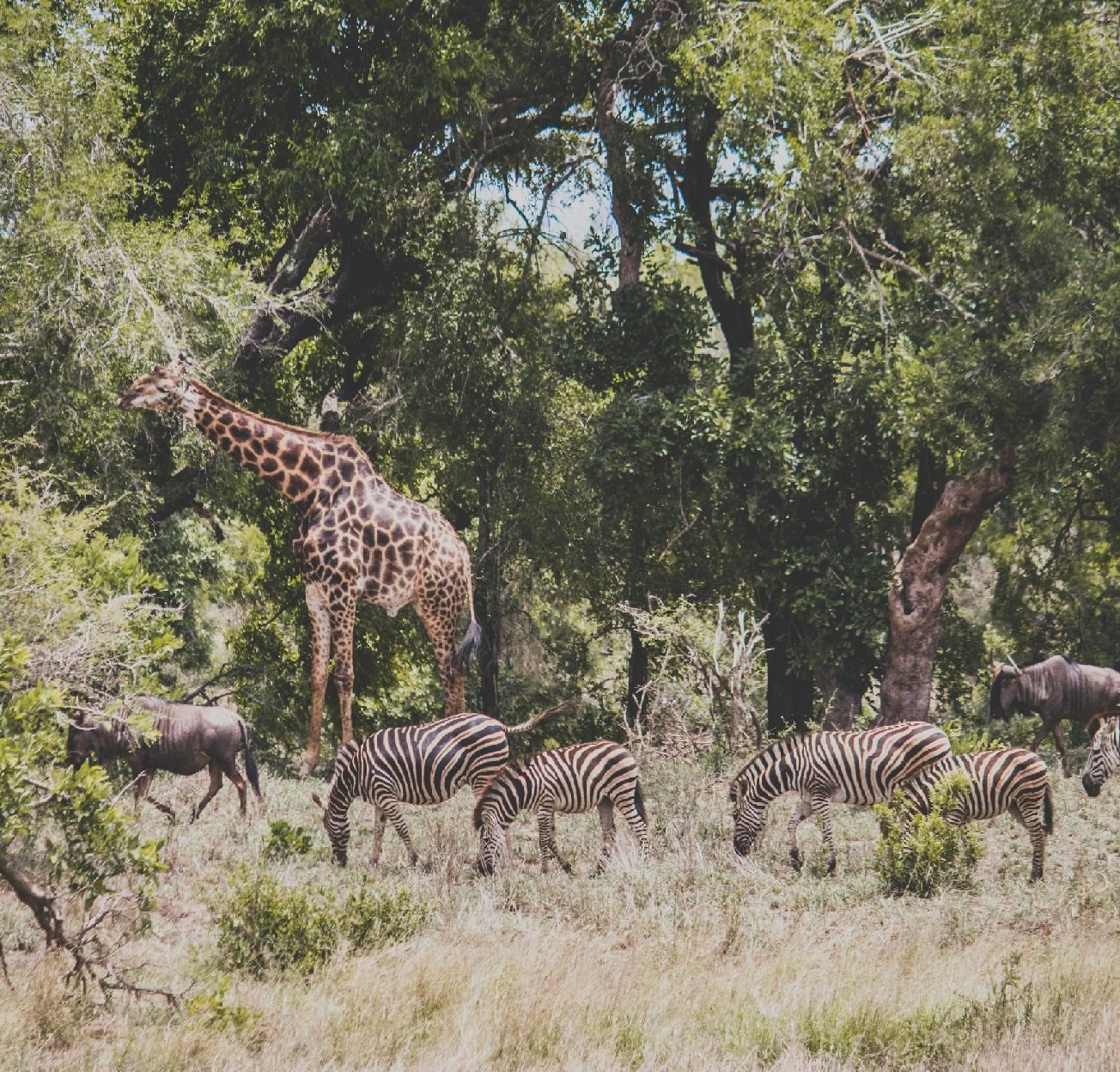
Savannas are unique and fascinating ecosystems found in various parts of the world, characterized by vast expanses of grasslands dotted with a few scattered trees. These savanna biomes are vital for biodiversity and play a crucial role in our planet's ecosystem.
Read More →3 years ago Category : African-Grasslands-en
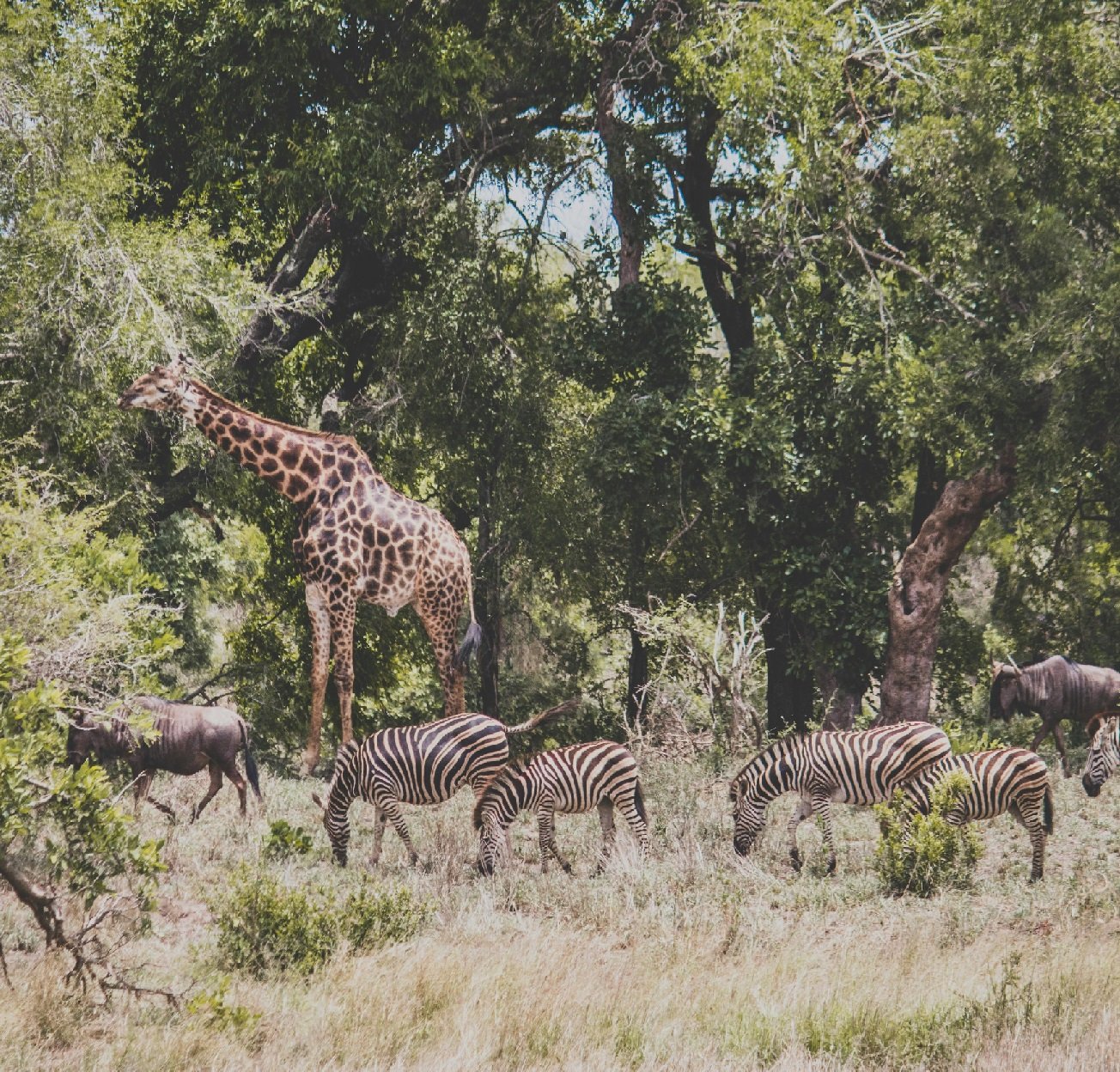
African Grasslands: Exploring the Ecology of this Unique Ecosystem
Read More →3 years ago Category : Savanna-Ecosystem-en
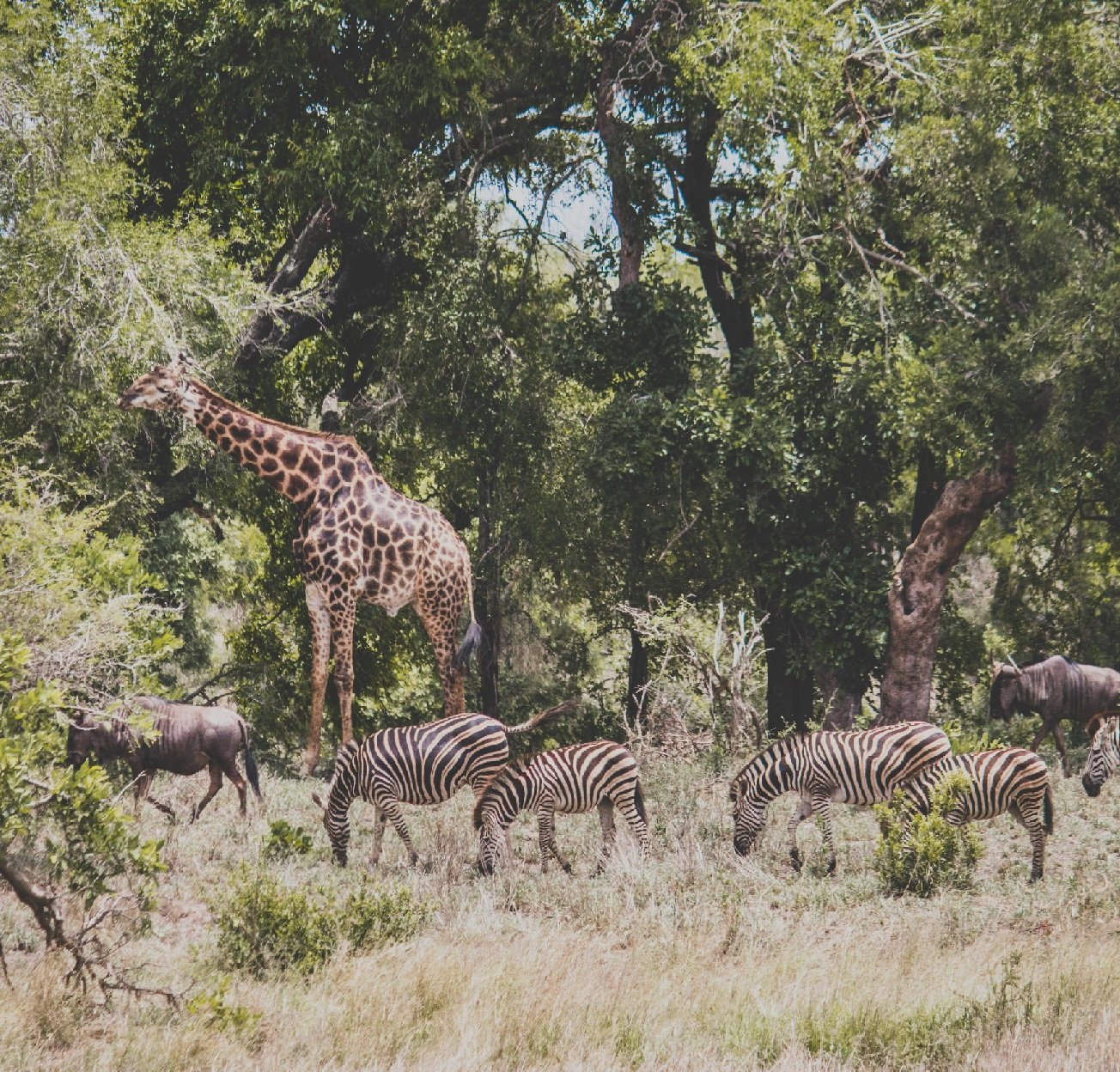
The savanna ecosystem is a unique and diverse grassland environment that is characterized by a mixture of grasses, trees, and shrubs. Covering approximately 20% of the Earth's land surface, savannas are found in tropical and subtropical regions including Africa, South America, Australia, and India. These ecosystems play a vital role in maintaining biodiversity and supporting a wide variety of plant and animal species.
Read More →SEARCH
Recent News
- Zurich, Switzerland is a vibrant city known for its rich cultural scene and diverse music offerings. One unique aspect of Zurich's music scene is the presence of Sudanese music, which has found a home in the city's melting pot of cultures.
- Zurich, Switzerland is a vibrant city known for its picturesque landscapes, rich history, and diverse cultural scene. One fascinating aspect of Zurich's cultural tapestry is the influence of Sudanese culture in the city.
- Zurich, Switzerland is known for its multicultural atmosphere and diverse culinary scene. One of the lesser-known gems of Zurich's food scene is Sudanese cuisine. Sudanese cuisine is a reflection of the country's diverse cultural influences, blending Arabic, African, and Mediterranean flavors to create a unique and delicious culinary experience.
- Zurich, Switzerland, is a vibrant city known for its scenic beauty, rich history, and thriving business environment. One interesting aspect of Zurich's business landscape is the presence of Sudanese entrepreneurs who have made their mark in various industries in the city.
- Visiting Zurich, Switzerland, can be an enriching experience for music lovers from all corners of the world. While the city may not be the first place that comes to mind when thinking about South African music, Zurich's diverse music scene offers a glimpse into the vibrant sounds of this African nation.
- Zurich, Switzerland, is renowned for its picturesque landscapes, vibrant culture, and thriving economy. However, thousands of kilometers away in Russia, agriculture plays a crucial role in the country's economy and food production.
- Zurich, Switzerland is a vibrant city known for its stunning architecture, picturesque landscapes, and rich culture. One aspect of Zurich's cultural scene that often goes under the radar is its regional music. The city and its surrounding areas are home to a diverse range of musical styles, reflecting the multiculturalism and artistic diversity of the region.
- Top 5 Zurich Regional Movies You Must Watch