The savanna ecosystem is a unique and diverse grassland environment that is characterized by a mixture of grasses, trees, and shrubs. Covering approximately 20% of the Earth's land surface, savannas are found in tropical and subtropical regions including Africa, South America, Australia, and India. These ecosystems play a vital role in maintaining biodiversity and supporting a wide variety of plant and animal species.
Category : Savanna Ecosystem en | Sub Category : Grassland Ecology Posted on 2023-07-07 21:24:53
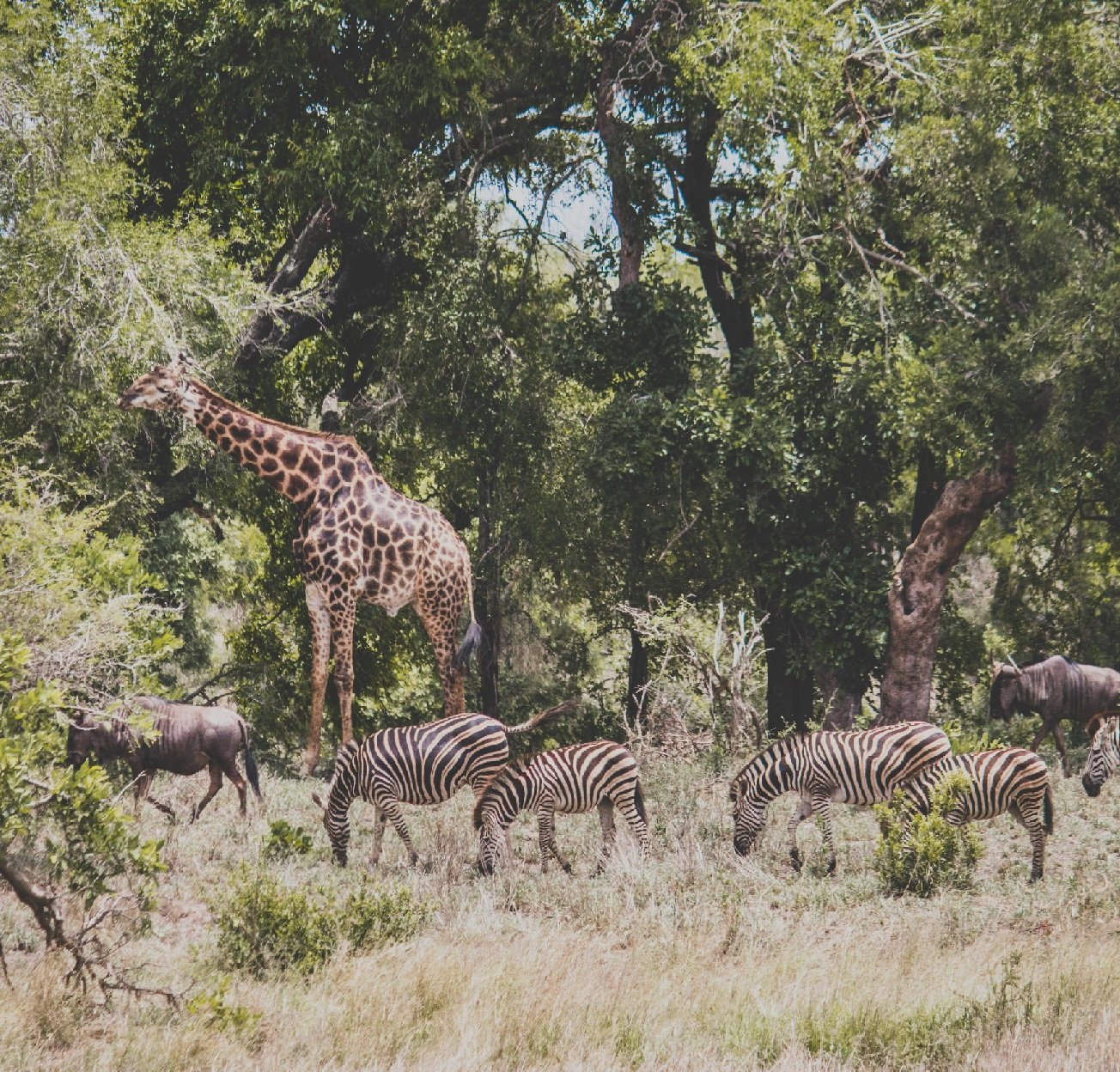
The savanna ecosystem is a unique and diverse grassland environment that is characterized by a mixture of grasses, trees, and shrubs. Covering approximately 20% of the Earth's land surface, savannas are found in tropical and subtropical regions including Africa, South America, Australia, and India. These ecosystems play a vital role in maintaining biodiversity and supporting a wide variety of plant and animal species.
One of the key features of savannas is the presence of both grasses and scattered trees. This combination creates a mosaic of habitats that supports a rich array of wildlife. The grasslands provide grazing opportunities for herbivores such as zebras, antelope, and buffalo, while the trees offer shelter and food sources for animals like elephants, giraffes, and monkeys.
The vegetation in savannas has evolved to withstand periodic droughts and fires, making them resilient ecosystems. Grasses have deep roots that allow them to access water deep in the soil during dry periods, while trees have thick bark that protects them from fires. These adaptations have enabled savannas to thrive in regions with unpredictable rainfall and frequent wildfires.
In addition to supporting a diverse range of plants and animals, savannas also play a crucial role in carbon sequestration and climate regulation. The grasslands and trees in these ecosystems act as carbon sinks, absorbing and storing carbon dioxide from the atmosphere. By helping to mitigate climate change, savannas contribute to the overall health of the planet.
Despite their ecological importance, savannas face threats from human activities such as deforestation, overgrazing, and land conversion for agriculture. Conservation efforts are underway to protect these valuable ecosystems and the species that depend on them.
In conclusion, the savanna ecosystem is a fascinating and vital part of our planet's biodiversity. By understanding and appreciating the intricate balance of grasses, trees, and wildlife in these landscapes, we can work towards conserving and preserving these unique environments for future generations to enjoy.
Leave a Comment:
SEARCH
Recent News
- Zurich, Switzerland is a vibrant city known for its rich cultural scene and diverse music offerings. One unique aspect of Zurich's music scene is the presence of Sudanese music, which has found a home in the city's melting pot of cultures.
- Zurich, Switzerland is a vibrant city known for its picturesque landscapes, rich history, and diverse cultural scene. One fascinating aspect of Zurich's cultural tapestry is the influence of Sudanese culture in the city.
- Zurich, Switzerland is known for its multicultural atmosphere and diverse culinary scene. One of the lesser-known gems of Zurich's food scene is Sudanese cuisine. Sudanese cuisine is a reflection of the country's diverse cultural influences, blending Arabic, African, and Mediterranean flavors to create a unique and delicious culinary experience.
- Zurich, Switzerland, is a vibrant city known for its scenic beauty, rich history, and thriving business environment. One interesting aspect of Zurich's business landscape is the presence of Sudanese entrepreneurs who have made their mark in various industries in the city.
- Visiting Zurich, Switzerland, can be an enriching experience for music lovers from all corners of the world. While the city may not be the first place that comes to mind when thinking about South African music, Zurich's diverse music scene offers a glimpse into the vibrant sounds of this African nation.
- Zurich, Switzerland, is renowned for its picturesque landscapes, vibrant culture, and thriving economy. However, thousands of kilometers away in Russia, agriculture plays a crucial role in the country's economy and food production.
- Zurich, Switzerland is a vibrant city known for its stunning architecture, picturesque landscapes, and rich culture. One aspect of Zurich's cultural scene that often goes under the radar is its regional music. The city and its surrounding areas are home to a diverse range of musical styles, reflecting the multiculturalism and artistic diversity of the region.
- Top 5 Zurich Regional Movies You Must Watch
READ MORE
10 months ago Category :

Zurich, Switzerland is a vibrant city known for its rich cultural scene and diverse music offerings. One unique aspect of Zurich's music scene is the presence of Sudanese music, which has found a home in the city's melting pot of cultures.
Read More →10 months ago Category :

Zurich, Switzerland is a vibrant city known for its picturesque landscapes, rich history, and diverse cultural scene. One fascinating aspect of Zurich's cultural tapestry is the influence of Sudanese culture in the city.
Read More →10 months ago Category :

Zurich, Switzerland is known for its multicultural atmosphere and diverse culinary scene. One of the lesser-known gems of Zurich's food scene is Sudanese cuisine. Sudanese cuisine is a reflection of the country's diverse cultural influences, blending Arabic, African, and Mediterranean flavors to create a unique and delicious culinary experience.
Read More →10 months ago Category :
