The Masai Mara is not just a spectacular destination for wildlife enthusiasts, but also a place where you can immerse yourself in the rich and vibrant Masai culture. The Masai people are a semi-nomadic group located in Kenya and Tanzania, known for their distinctive customs and traditions that have been preserved for centuries.
Category : Masai Mara en | Sub Category : Masai Culture Posted on 2023-07-07 21:24:53
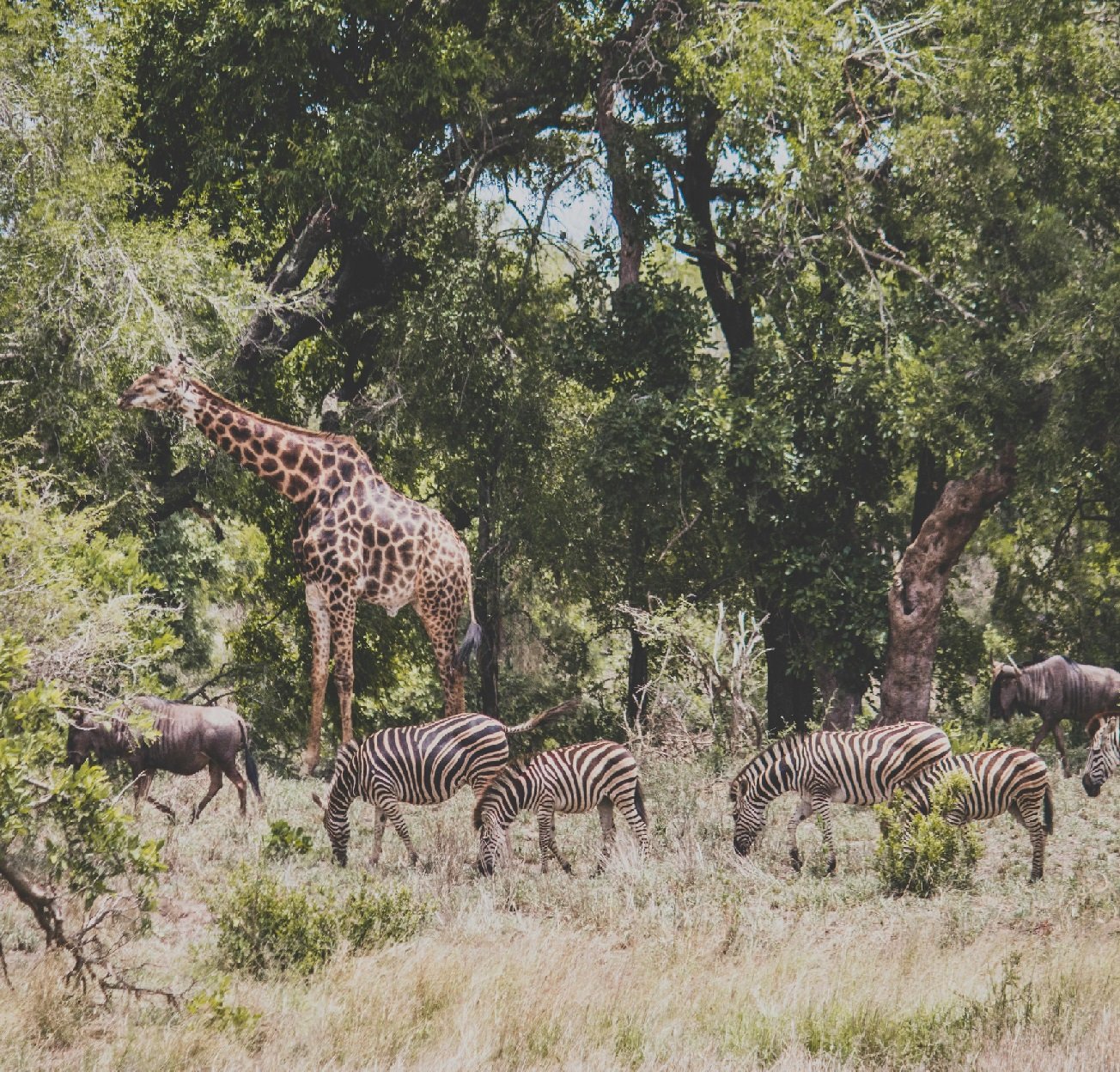
The Masai Mara is not just a spectacular destination for wildlife enthusiasts, but also a place where you can immerse yourself in the rich and vibrant Masai culture. The Masai people are a semi-nomadic group located in Kenya and Tanzania, known for their distinctive customs and traditions that have been preserved for centuries.
One of the most recognizable aspects of the Masai culture is their traditional clothing. Masai men often wear a red-checked shuka (a type of cloth) wrapped around their bodies, while women adorn themselves with beaded jewelry and brightly colored fabrics. These traditional outfits not only reflect the Masai heritage but also serve practical purposes, such as protection from the elements.
The Masai people are also known for their unique housing structures called manyattas. These are circular huts made from mud, sticks, grass, and cow dung, providing shelter for individual families. Manyattas are not only functional but also symbolic of the close-knit community and strong family ties that are central to Masai society.
Music and dance play a significant role in Masai culture, with traditional songs and performances being passed down from generation to generation. The jumping dance, known as adumu or aigus, is a particularly famous Masai ritual where young warriors showcase their strength and agility by leaping high into the air. Music is often accompanied by chanting, clapping, and the rhythmic sounds of traditional instruments like the olaranyani (a kind of horn) and the enkerait (a wooden horn).
Another essential aspect of the Masai culture is their livestock, particularly cattle. Cattle are not only a symbol of wealth and status but also hold spiritual significance for the Masai people. They are used in rituals, such as weddings and coming-of-age ceremonies, and are integral to the Masai economy and way of life.
Visitors to the Masai Mara have the opportunity to engage with the local community through cultural tours and homestays, where they can learn about traditional practices, participate in ceremonies, and interact with Masai elders and warriors. By experiencing the Masai culture firsthand, travelers gain a deeper appreciation for this ancient way of life and the strong connection between the Masai people and the land they inhabit.
In conclusion, the Masai Mara is not just a wildlife destination but a place where you can learn about and admire the rich and colorful Masai culture. From traditional clothing and housing to music and dance, the Masai way of life is a testament to the resilience and beauty of indigenous communities. By exploring the cultural heritage of the Masai people, visitors can gain a greater understanding of the importance of preserving cultural diversity and honoring traditions that have stood the test of time.
Leave a Comment:
SEARCH
Recent News
- Zurich, Switzerland is a vibrant city known for its rich cultural scene and diverse music offerings. One unique aspect of Zurich's music scene is the presence of Sudanese music, which has found a home in the city's melting pot of cultures.
- Zurich, Switzerland is a vibrant city known for its picturesque landscapes, rich history, and diverse cultural scene. One fascinating aspect of Zurich's cultural tapestry is the influence of Sudanese culture in the city.
- Zurich, Switzerland is known for its multicultural atmosphere and diverse culinary scene. One of the lesser-known gems of Zurich's food scene is Sudanese cuisine. Sudanese cuisine is a reflection of the country's diverse cultural influences, blending Arabic, African, and Mediterranean flavors to create a unique and delicious culinary experience.
- Zurich, Switzerland, is a vibrant city known for its scenic beauty, rich history, and thriving business environment. One interesting aspect of Zurich's business landscape is the presence of Sudanese entrepreneurs who have made their mark in various industries in the city.
- Visiting Zurich, Switzerland, can be an enriching experience for music lovers from all corners of the world. While the city may not be the first place that comes to mind when thinking about South African music, Zurich's diverse music scene offers a glimpse into the vibrant sounds of this African nation.
- Zurich, Switzerland, is renowned for its picturesque landscapes, vibrant culture, and thriving economy. However, thousands of kilometers away in Russia, agriculture plays a crucial role in the country's economy and food production.
- Zurich, Switzerland is a vibrant city known for its stunning architecture, picturesque landscapes, and rich culture. One aspect of Zurich's cultural scene that often goes under the radar is its regional music. The city and its surrounding areas are home to a diverse range of musical styles, reflecting the multiculturalism and artistic diversity of the region.
- Top 5 Zurich Regional Movies You Must Watch
READ MORE
10 months ago Category :

Zurich, Switzerland is a vibrant city known for its rich cultural scene and diverse music offerings. One unique aspect of Zurich's music scene is the presence of Sudanese music, which has found a home in the city's melting pot of cultures.
Read More →10 months ago Category :

Zurich, Switzerland is a vibrant city known for its picturesque landscapes, rich history, and diverse cultural scene. One fascinating aspect of Zurich's cultural tapestry is the influence of Sudanese culture in the city.
Read More →10 months ago Category :

Zurich, Switzerland is known for its multicultural atmosphere and diverse culinary scene. One of the lesser-known gems of Zurich's food scene is Sudanese cuisine. Sudanese cuisine is a reflection of the country's diverse cultural influences, blending Arabic, African, and Mediterranean flavors to create a unique and delicious culinary experience.
Read More →10 months ago Category :
