The savanna ecosystem is a unique and diverse habitat that is characterized by a mix of grasslands and scattered trees. Its climate and weather play a crucial role in shaping the environment and influencing the plant and animal life that thrive there.
Category : Savanna Ecosystem en | Sub Category : Climate Weather Posted on 2023-07-07 21:24:53
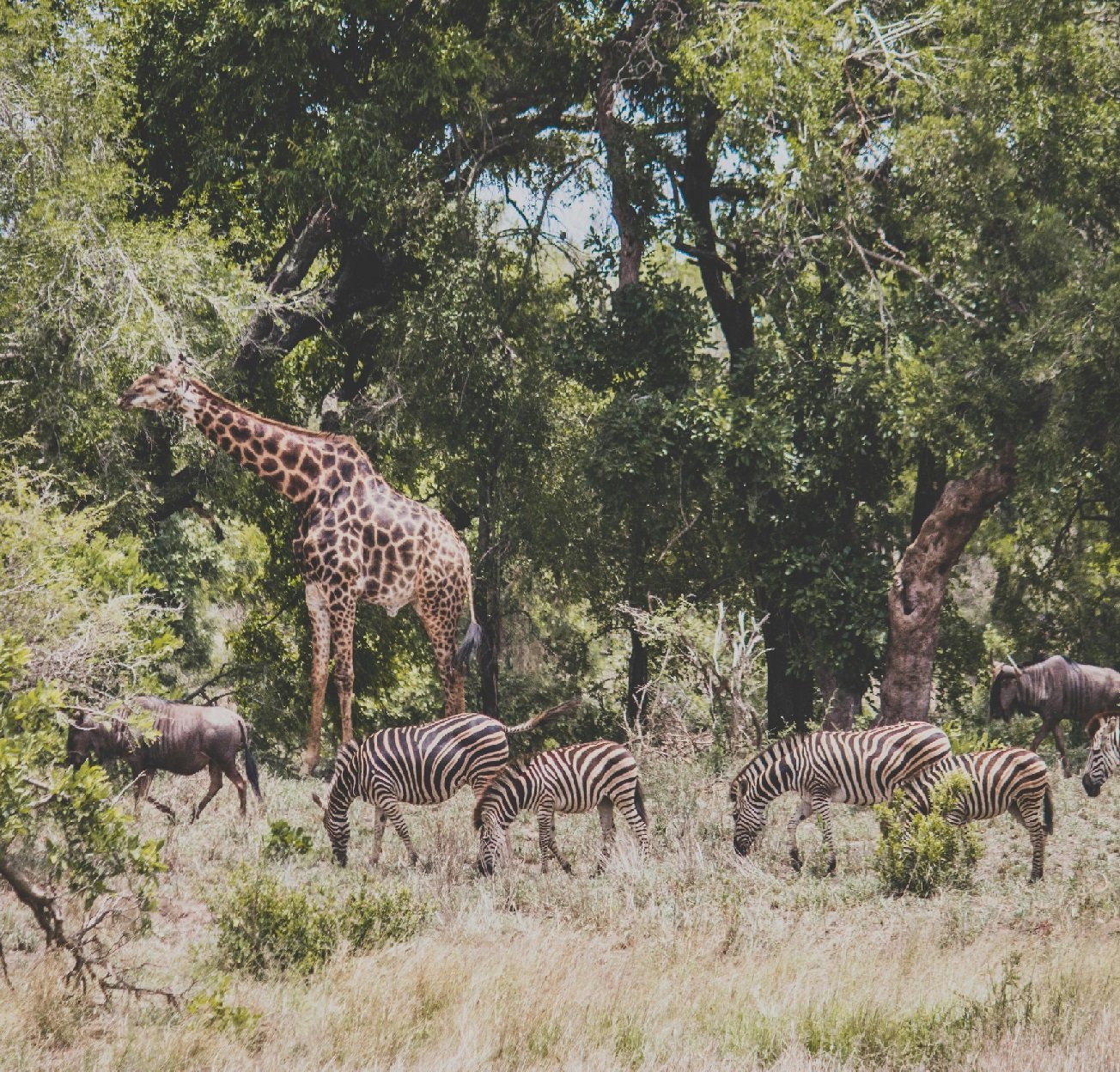
The savanna ecosystem is a unique and diverse habitat that is characterized by a mix of grasslands and scattered trees. Its climate and weather play a crucial role in shaping the environment and influencing the plant and animal life that thrive there.
The savanna ecosystem is typically found in tropical and subtropical regions, where it experiences distinct wet and dry seasons. The climate is defined by a seasonal pattern of rainfall, with the wet season bringing heavy rains and the dry season characterized by little to no precipitation.
During the wet season, which usually occurs in the summer months, the savanna receives abundant rainfall, supporting the growth of lush vegetation. The rains provide essential moisture for grasses to flourish, which in turn attract a variety of herbivores such as zebras, antelopes, and giraffes. The abundance of food during this time also attracts predators like lions, cheetahs, and hyenas.
Conversely, the dry season, which typically occurs in the winter months, presents a stark contrast to the wet season. With little rainfall, the grasses dry up and the leaves fall from the trees. This can make it challenging for herbivores to find food, leading to competition for resources. Predators may also struggle during this time as their prey becomes more scarce.
The climate and weather of the savanna ecosystem also impact the migration patterns of animals. Many species move to different areas within the savanna in search of water and food as the seasons change. This constant movement helps to disperse seeds, promote plant growth, and maintain the delicate balance of the ecosystem.
Overall, the climate and weather of the savanna ecosystem are vital components that shape the landscape and influence the plants and animals that call it home. By understanding and appreciating these factors, we can gain a greater appreciation for the intricacies of this remarkable habitat.
Leave a Comment:
SEARCH
Recent News
- Zurich, Switzerland is a vibrant city known for its rich cultural scene and diverse music offerings. One unique aspect of Zurich's music scene is the presence of Sudanese music, which has found a home in the city's melting pot of cultures.
- Zurich, Switzerland is a vibrant city known for its picturesque landscapes, rich history, and diverse cultural scene. One fascinating aspect of Zurich's cultural tapestry is the influence of Sudanese culture in the city.
- Zurich, Switzerland is known for its multicultural atmosphere and diverse culinary scene. One of the lesser-known gems of Zurich's food scene is Sudanese cuisine. Sudanese cuisine is a reflection of the country's diverse cultural influences, blending Arabic, African, and Mediterranean flavors to create a unique and delicious culinary experience.
- Zurich, Switzerland, is a vibrant city known for its scenic beauty, rich history, and thriving business environment. One interesting aspect of Zurich's business landscape is the presence of Sudanese entrepreneurs who have made their mark in various industries in the city.
- Visiting Zurich, Switzerland, can be an enriching experience for music lovers from all corners of the world. While the city may not be the first place that comes to mind when thinking about South African music, Zurich's diverse music scene offers a glimpse into the vibrant sounds of this African nation.
- Zurich, Switzerland, is renowned for its picturesque landscapes, vibrant culture, and thriving economy. However, thousands of kilometers away in Russia, agriculture plays a crucial role in the country's economy and food production.
- Zurich, Switzerland is a vibrant city known for its stunning architecture, picturesque landscapes, and rich culture. One aspect of Zurich's cultural scene that often goes under the radar is its regional music. The city and its surrounding areas are home to a diverse range of musical styles, reflecting the multiculturalism and artistic diversity of the region.
- Top 5 Zurich Regional Movies You Must Watch
READ MORE
10 months ago Category :

Zurich, Switzerland is a vibrant city known for its rich cultural scene and diverse music offerings. One unique aspect of Zurich's music scene is the presence of Sudanese music, which has found a home in the city's melting pot of cultures.
Read More →10 months ago Category :

Zurich, Switzerland is a vibrant city known for its picturesque landscapes, rich history, and diverse cultural scene. One fascinating aspect of Zurich's cultural tapestry is the influence of Sudanese culture in the city.
Read More →10 months ago Category :

Zurich, Switzerland is known for its multicultural atmosphere and diverse culinary scene. One of the lesser-known gems of Zurich's food scene is Sudanese cuisine. Sudanese cuisine is a reflection of the country's diverse cultural influences, blending Arabic, African, and Mediterranean flavors to create a unique and delicious culinary experience.
Read More →10 months ago Category :
