3 years ago Category : Savannah-Tree-Species-en
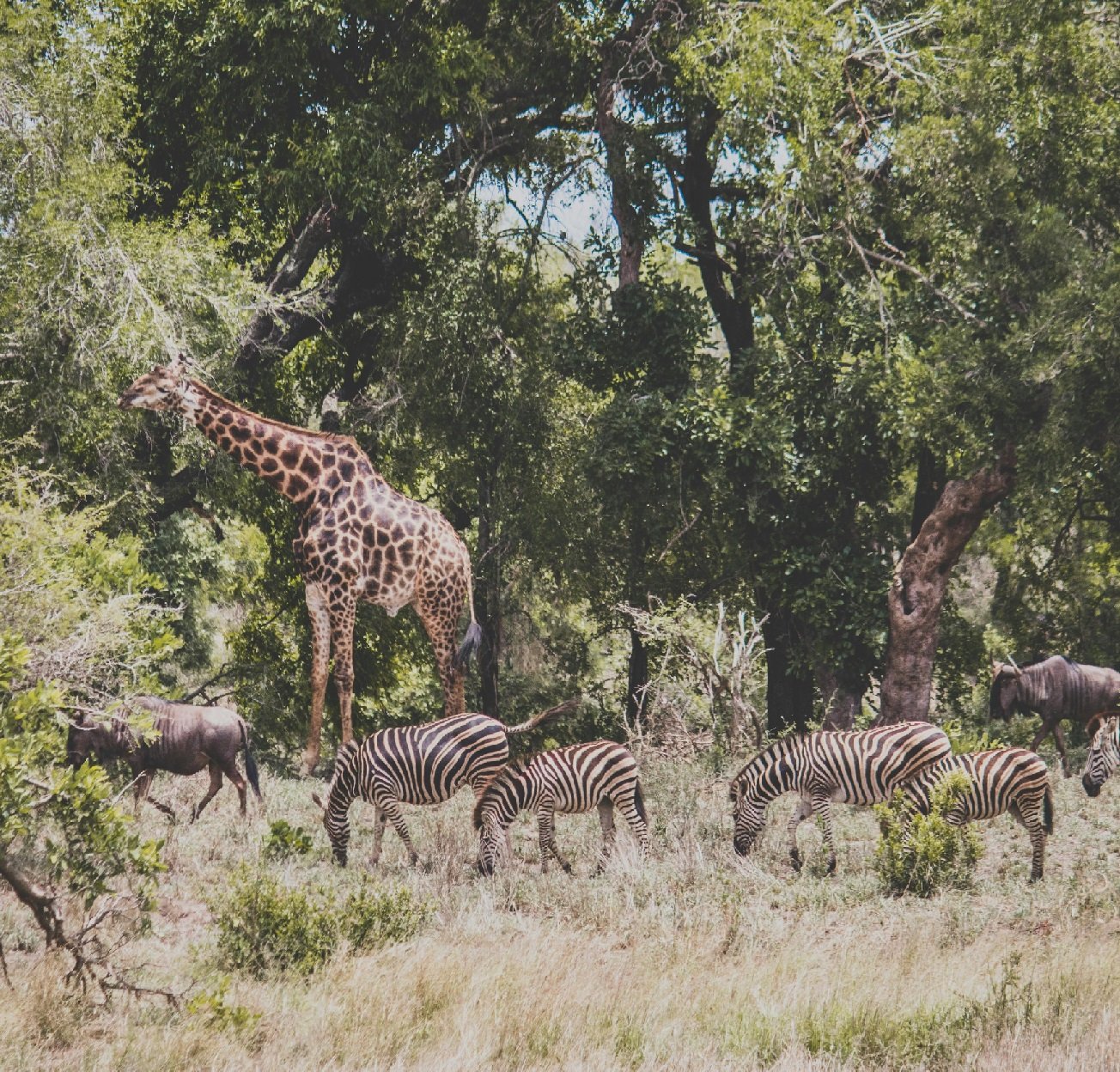
Baobab trees, also known as the "tree of life" or Adansonia, are iconic Savannah tree species that are found in various African regions. These unique trees have a distinctive appearance with thick trunks that can store water to help them survive in the arid landscapes of the Savannah.
Read More →3 years ago Category : Savannah-Tree-Species-en
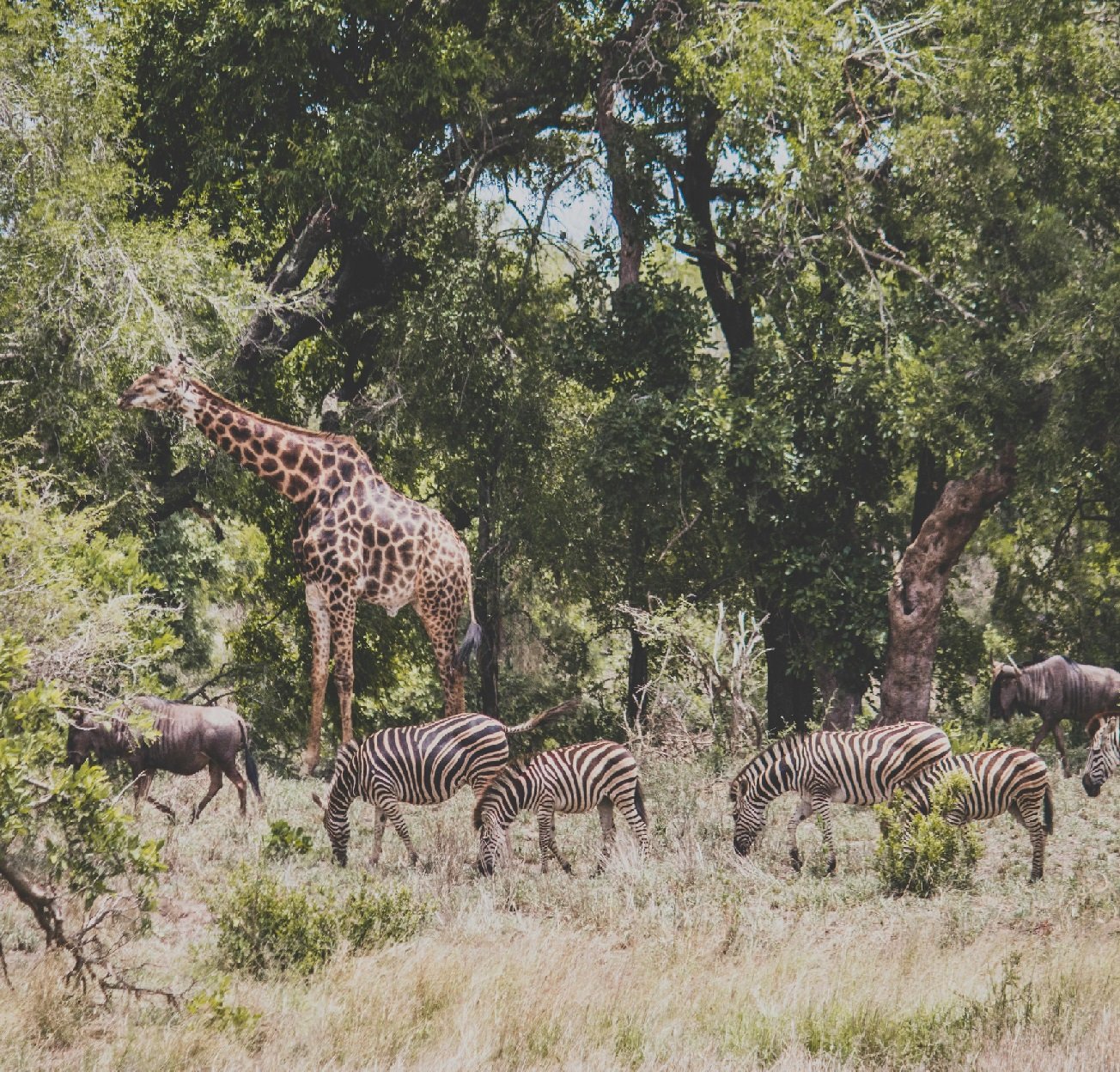
Acacia trees are a common sight in the savannah biome, known for their unique appearance and important ecological role. These tall, slender trees with small leaves and white or yellow flowers belong to the genus Acacia, which comprises over 1,000 species worldwide. In the savannah ecosystem, Acacia trees play a vital role in providing food and shelter for various wildlife species, contributing to the overall biodiversity of the region.
Read More →3 years ago Category : Savannah-Animals-List-en
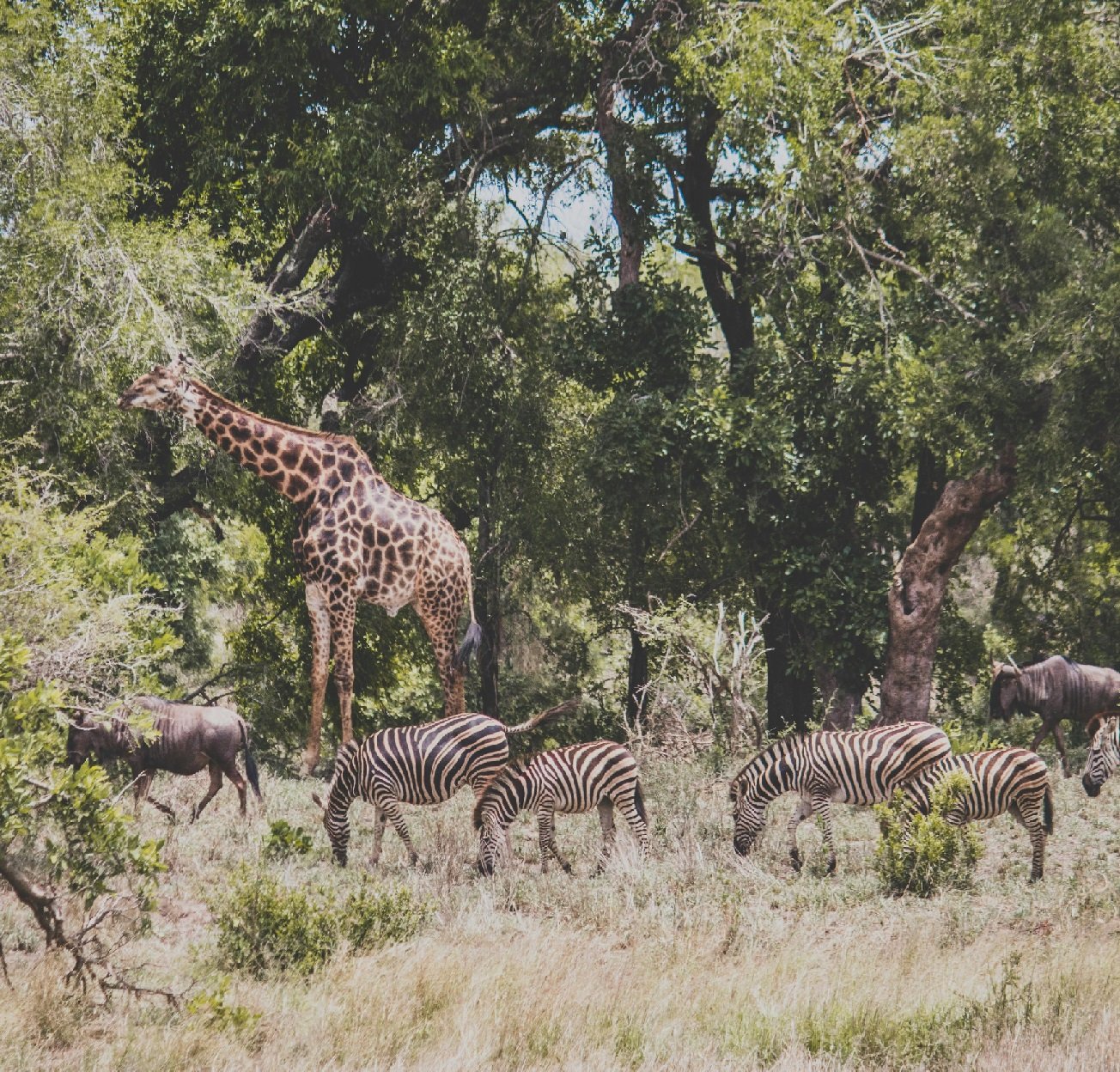
When thinking of the Savannah, it's common to picture vast grasslands, towering acacia trees, and an array of fascinating wildlife. The Savannah biome is home to a diverse range of animals, including some exotic species that captivate the imagination. Let's explore a list of Savannah animals, both common and exotic, that call this unique ecosystem home.
Read More →3 years ago Category : Savannah-Animals-List-en
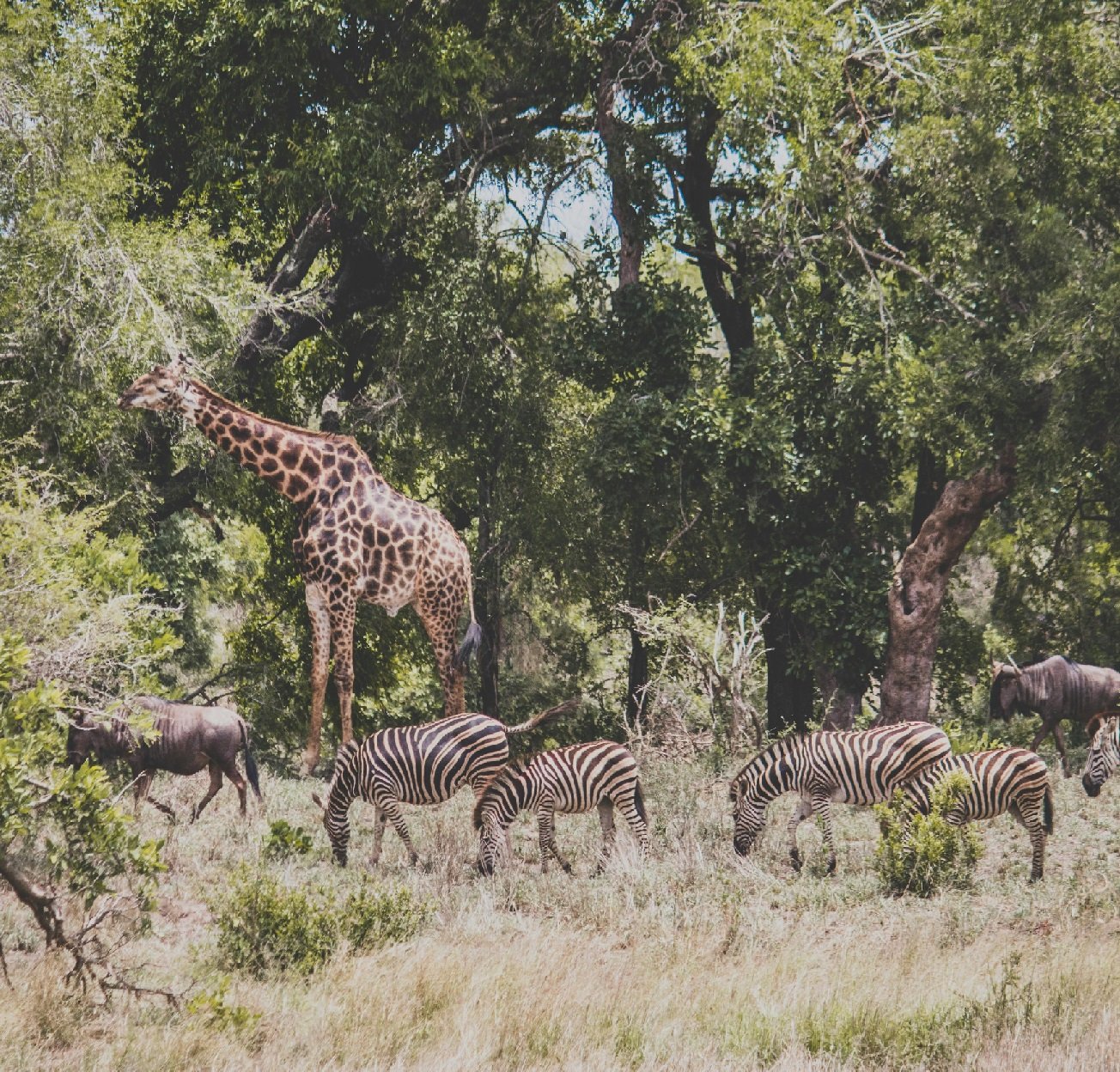
Savannah Animals List: Endangered Species
Read More →3 years ago Category : Savannah-Animals-List-en
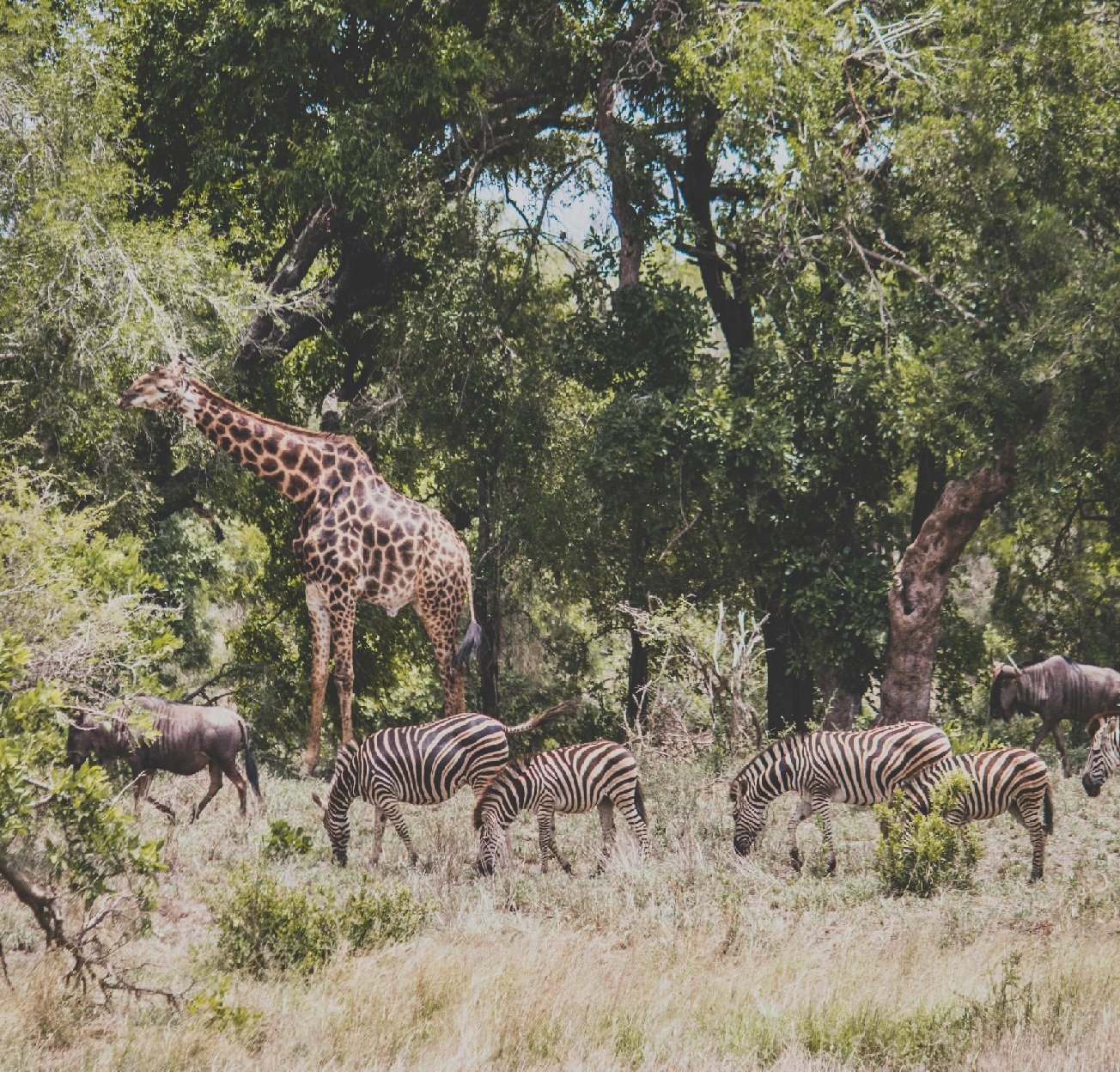
Savannahs are diverse ecosystems filled with a variety of fascinating animals. In this blog post, we will explore the omnivores that call the savannah home. Omnivores are animals that consume both plants and meat, making them adaptable to a wide range of food sources. Let's take a look at some of the omnivorous animals you might encounter in the savannah:
Read More →3 years ago Category : Savannah-Animals-List-en
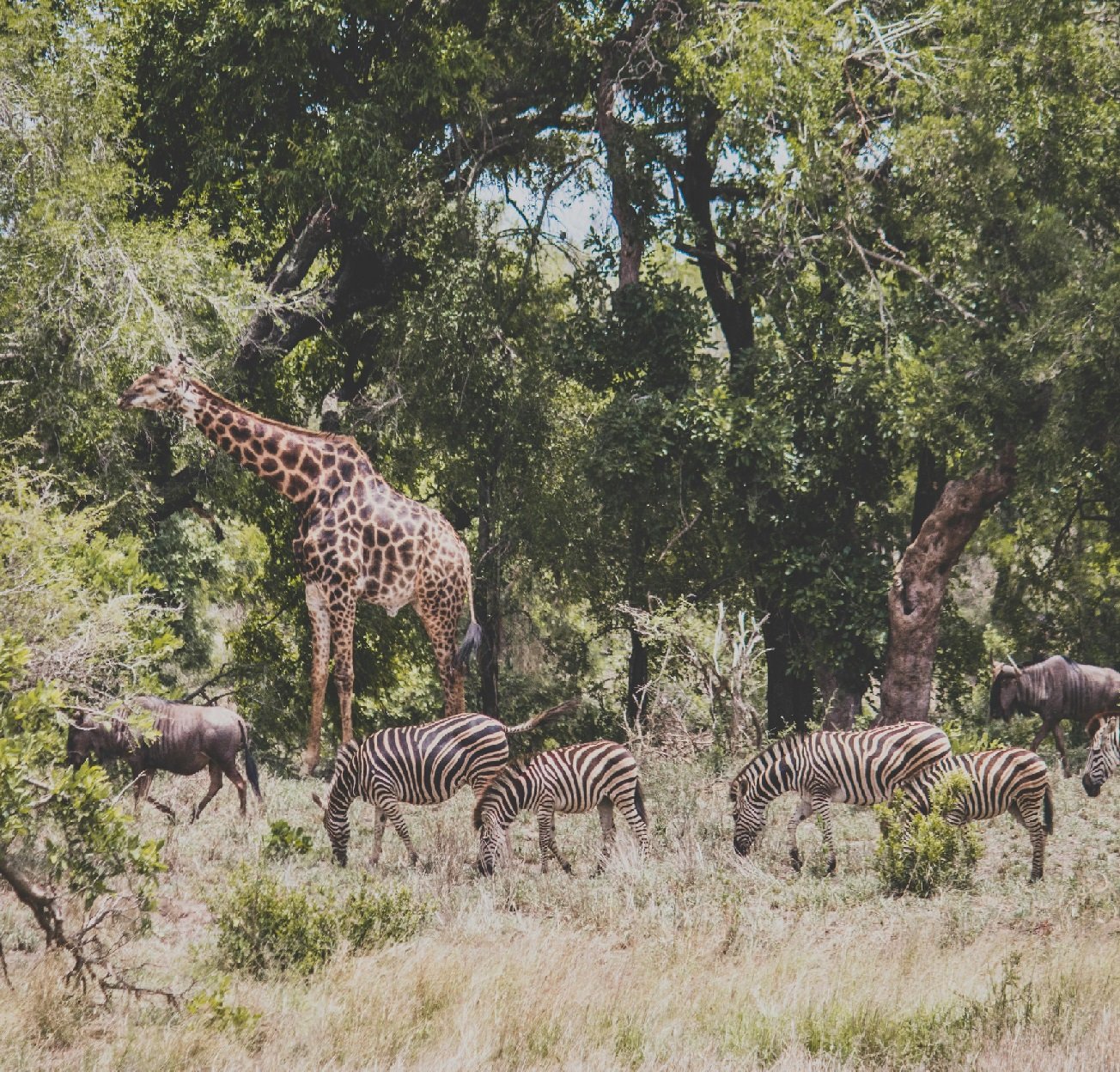
Savannah Animals List: Carnivores
Read More →3 years ago Category : Savannah-Animals-List-en
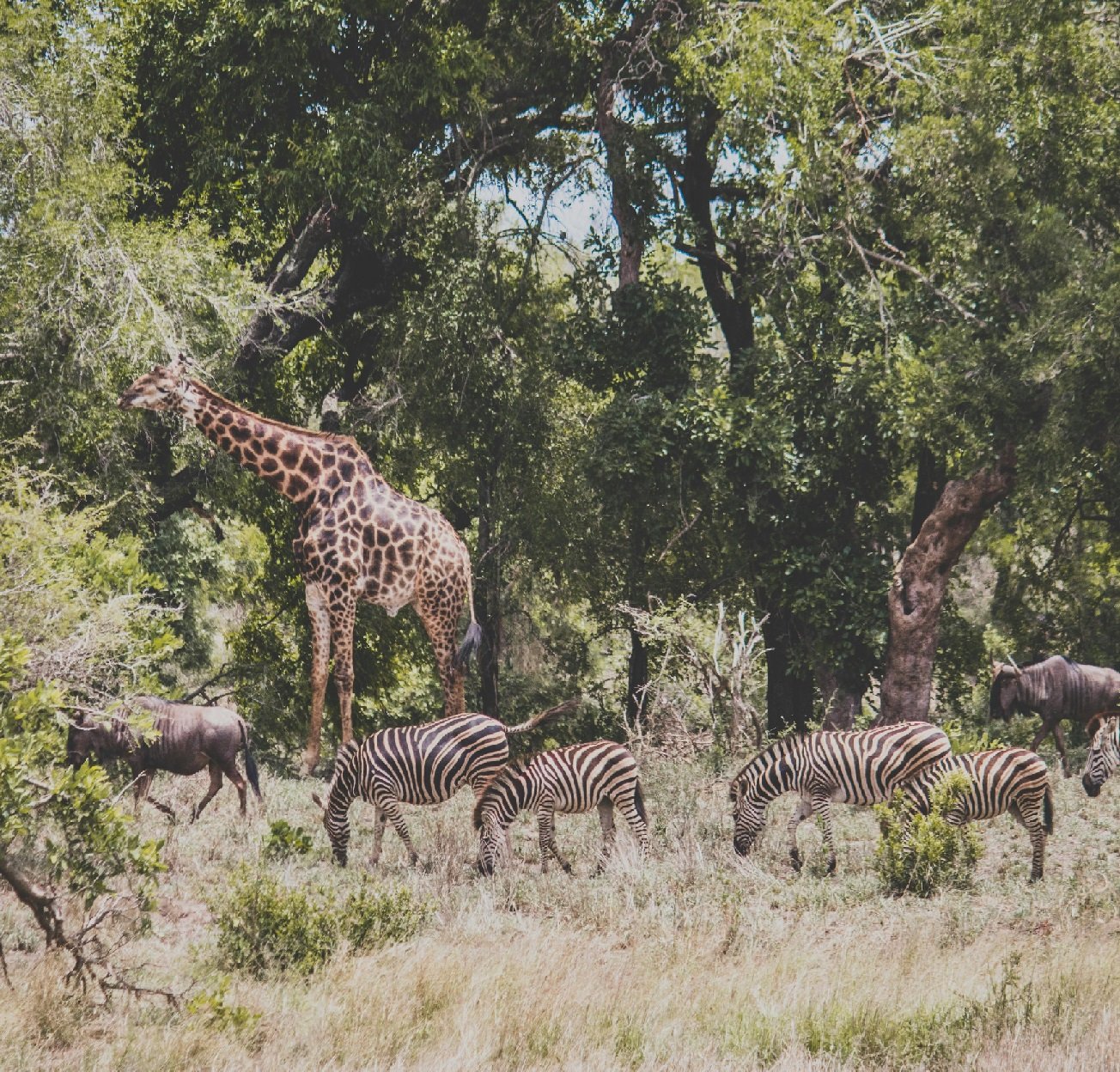
The savannah is a diverse ecosystem filled with a variety of herbivorous animals that play important roles in maintaining the balance of nature. These animals are adapted to feeding on grasses, plants, and leaves found in the savannah region. Let's take a closer look at some of the herbivores that call the savannah their home:
Read More →3 years ago Category : Savanna-Habitats-en
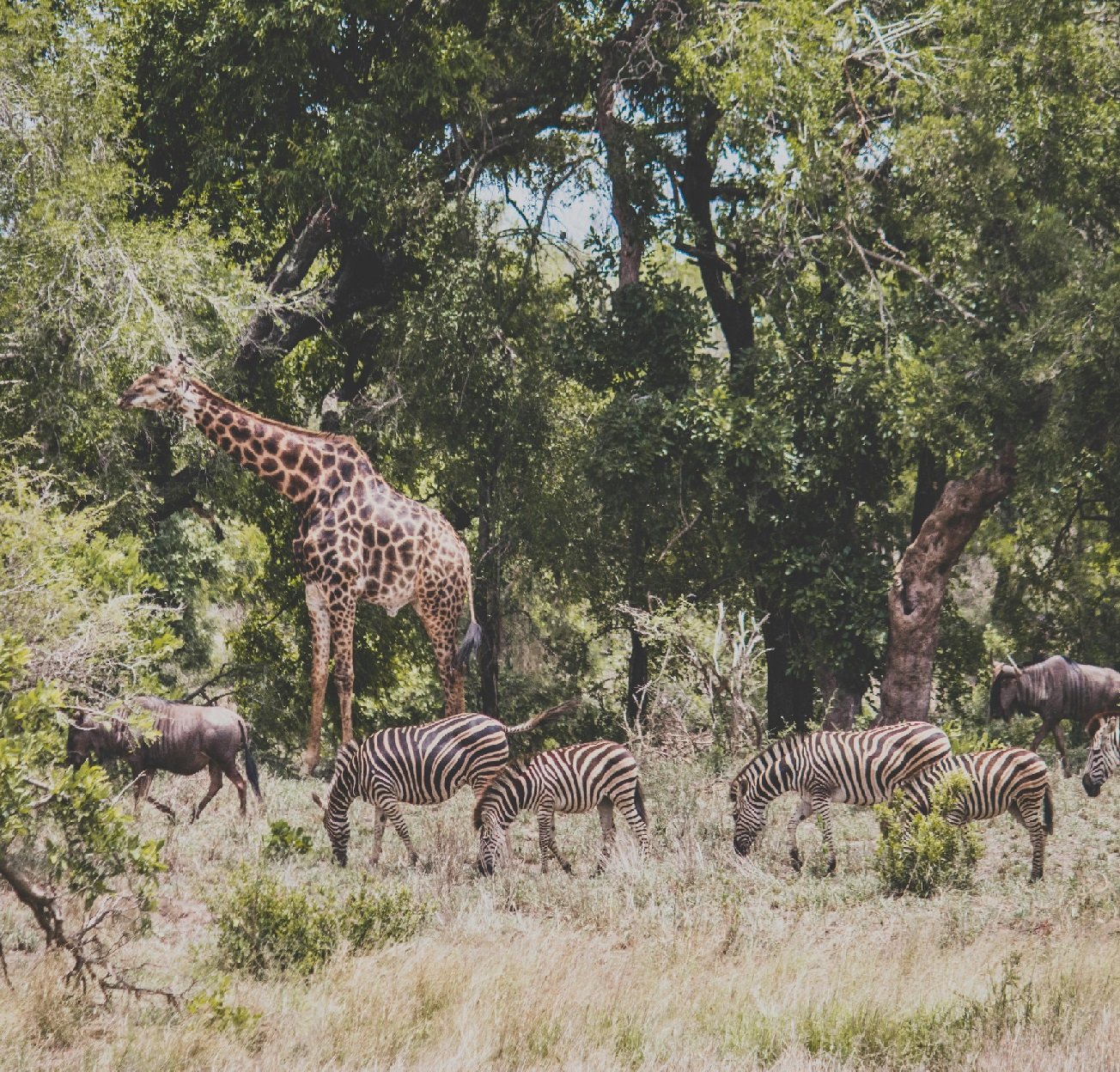
Savannas are unique and important ecosystems that comprise a mix of grasses and scattered trees, typically found in tropical and subtropical regions. These habitats are home to a diverse range of plant and animal species, making them crucial for biodiversity conservation. However, due to various factors such as climate change, land degradation, and human encroachment, savanna habitats are under threat.
Read More →3 years ago Category : Savanna-Habitats-en
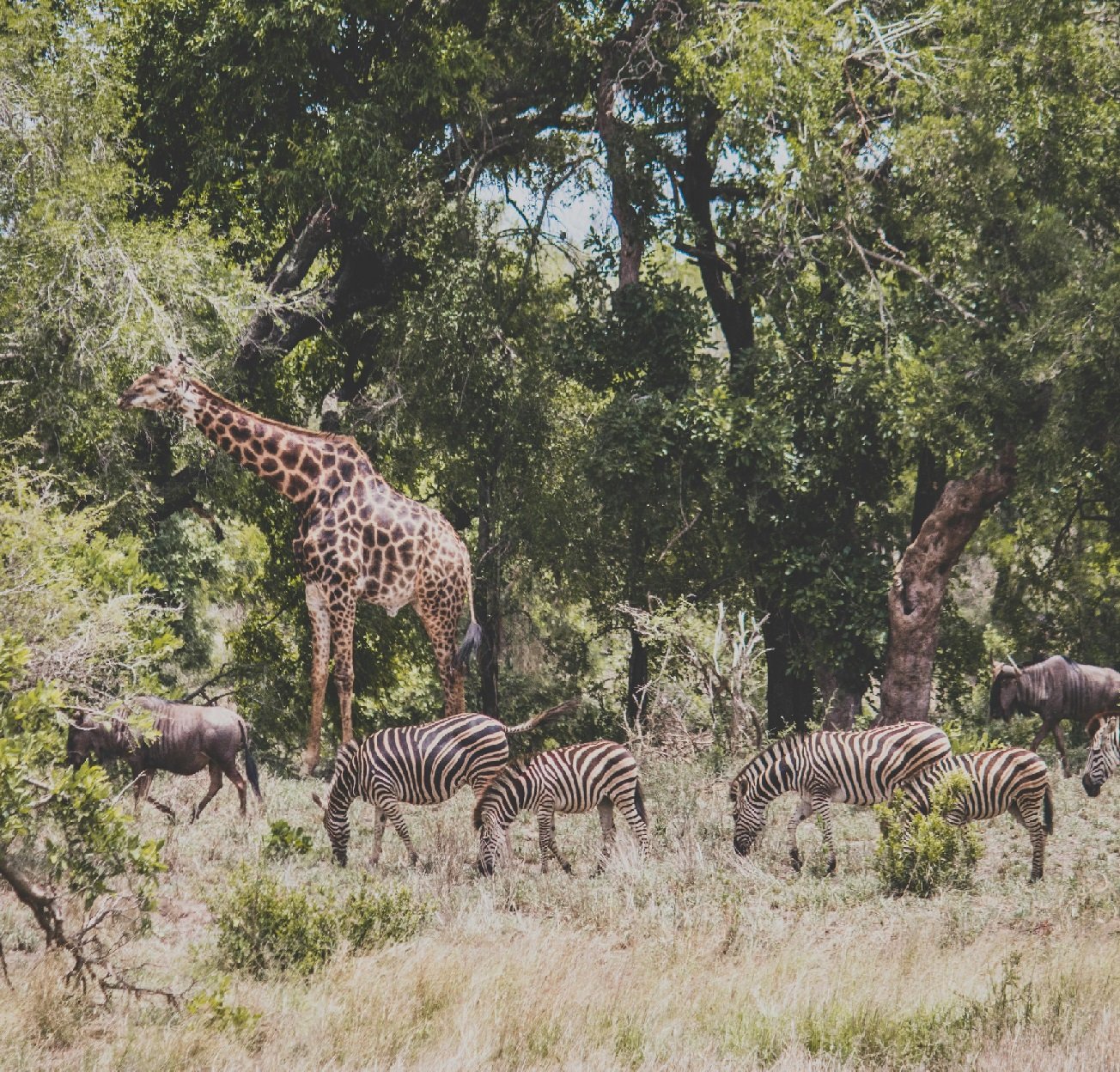
Protecting Savanna Habitats: Preserving Biodiversity and Ecosystem Balance
Read More →3 years ago Category : Savanna-Habitats-en
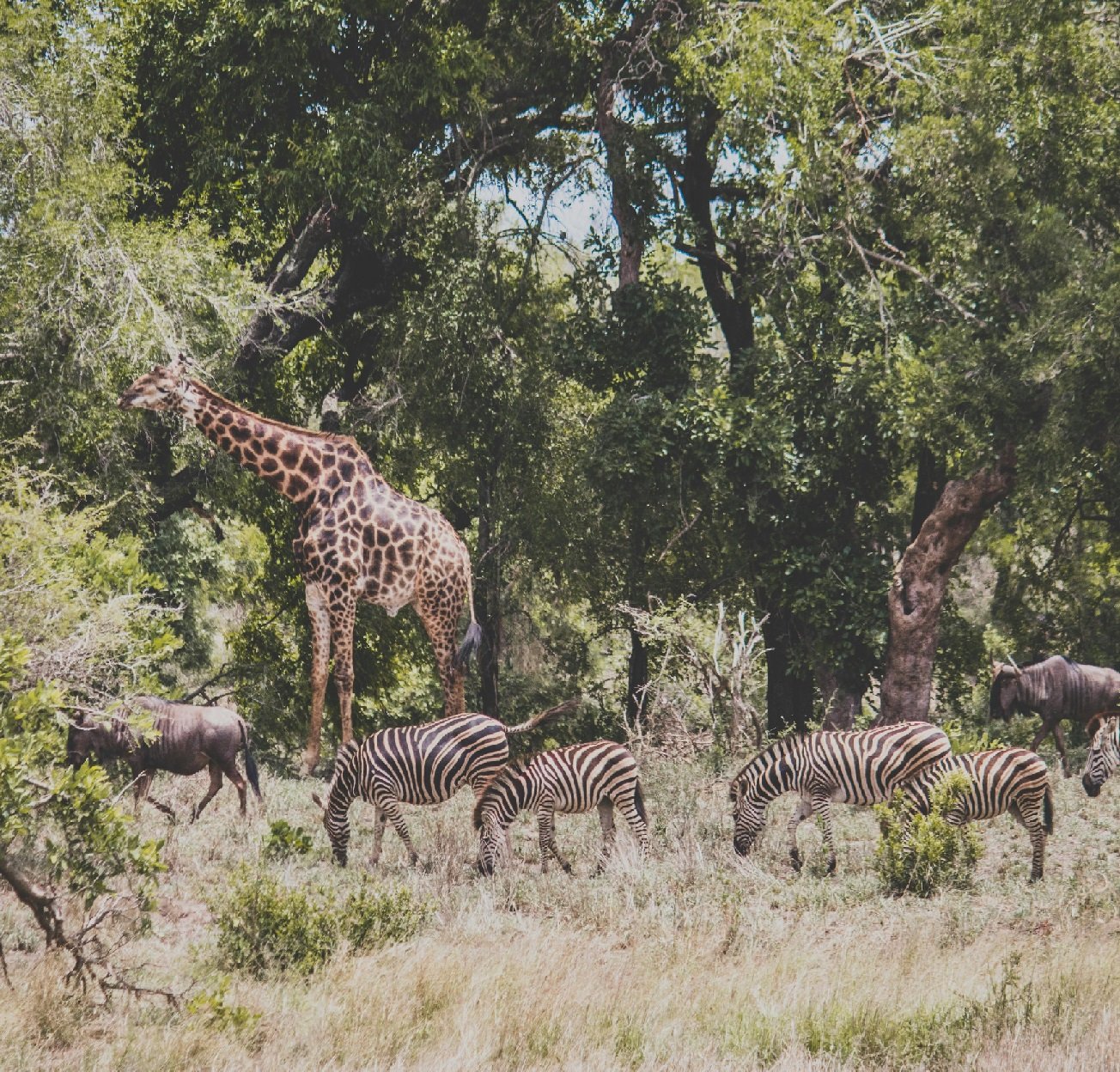
Savannas are unique and diverse ecosystems that support a wide variety of plant and animal species. However, due to factors such as deforestation, climate change, and human activities, savanna habitats around the world are facing significant challenges. In order to preserve and restore these important ecosystems, habitat restoration efforts are crucial.
Read More →SEARCH
Recent News
- Zurich, Switzerland is a vibrant city known for its rich cultural scene and diverse music offerings. One unique aspect of Zurich's music scene is the presence of Sudanese music, which has found a home in the city's melting pot of cultures.
- Zurich, Switzerland is a vibrant city known for its picturesque landscapes, rich history, and diverse cultural scene. One fascinating aspect of Zurich's cultural tapestry is the influence of Sudanese culture in the city.
- Zurich, Switzerland is known for its multicultural atmosphere and diverse culinary scene. One of the lesser-known gems of Zurich's food scene is Sudanese cuisine. Sudanese cuisine is a reflection of the country's diverse cultural influences, blending Arabic, African, and Mediterranean flavors to create a unique and delicious culinary experience.
- Zurich, Switzerland, is a vibrant city known for its scenic beauty, rich history, and thriving business environment. One interesting aspect of Zurich's business landscape is the presence of Sudanese entrepreneurs who have made their mark in various industries in the city.
- Visiting Zurich, Switzerland, can be an enriching experience for music lovers from all corners of the world. While the city may not be the first place that comes to mind when thinking about South African music, Zurich's diverse music scene offers a glimpse into the vibrant sounds of this African nation.
- Zurich, Switzerland, is renowned for its picturesque landscapes, vibrant culture, and thriving economy. However, thousands of kilometers away in Russia, agriculture plays a crucial role in the country's economy and food production.
- Zurich, Switzerland is a vibrant city known for its stunning architecture, picturesque landscapes, and rich culture. One aspect of Zurich's cultural scene that often goes under the radar is its regional music. The city and its surrounding areas are home to a diverse range of musical styles, reflecting the multiculturalism and artistic diversity of the region.
- Top 5 Zurich Regional Movies You Must Watch