Savannas are unique and important ecosystems that comprise a mix of grasses and scattered trees, typically found in tropical and subtropical regions. These habitats are home to a diverse range of plant and animal species, making them crucial for biodiversity conservation. However, due to various factors such as climate change, land degradation, and human encroachment, savanna habitats are under threat.
Category : Savanna Habitats en | Sub Category : Habitat Management Posted on 2023-07-07 21:24:53
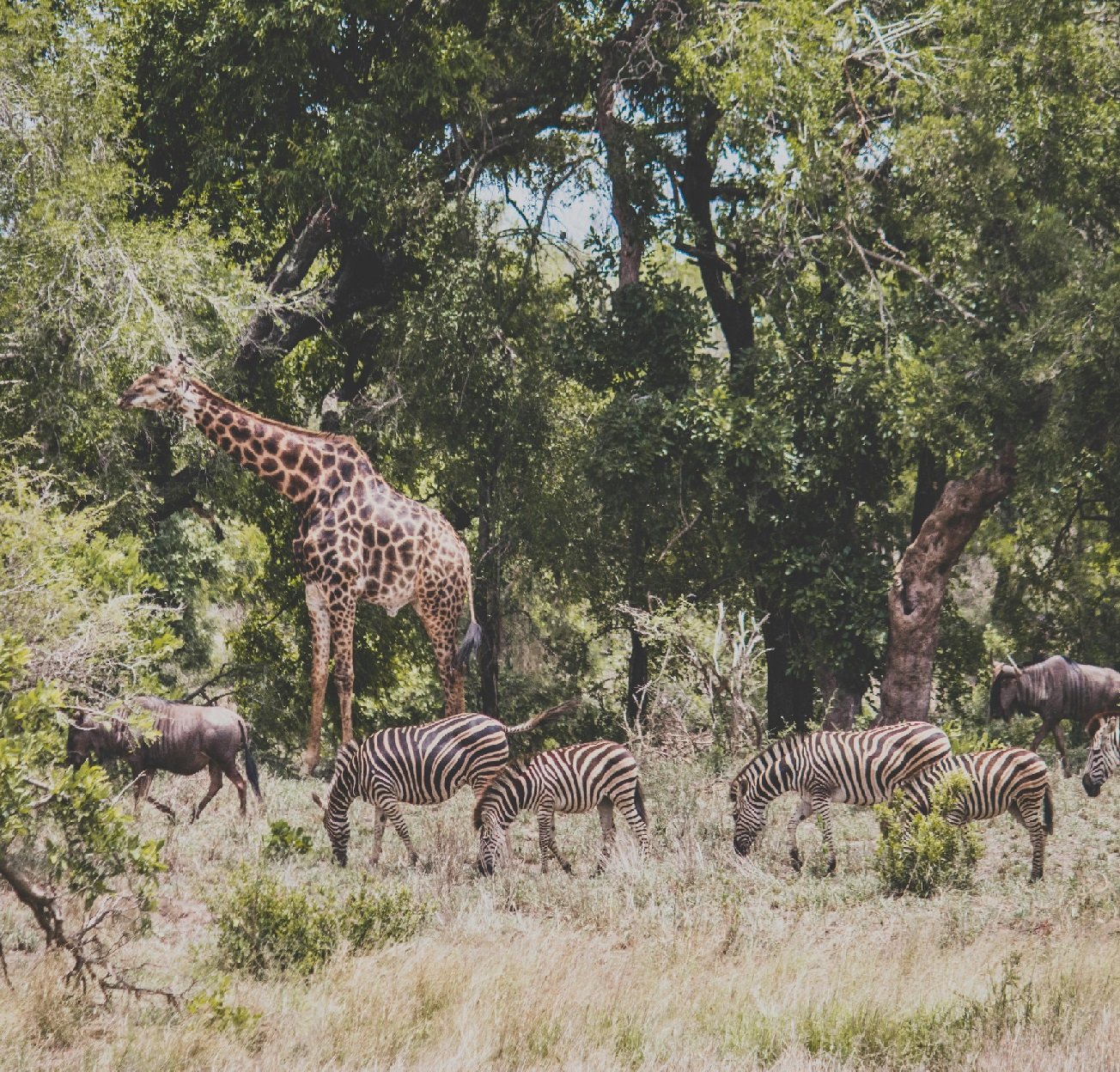
Savannas are unique and important ecosystems that comprise a mix of grasses and scattered trees, typically found in tropical and subtropical regions. These habitats are home to a diverse range of plant and animal species, making them crucial for biodiversity conservation. However, due to various factors such as climate change, land degradation, and human encroachment, savanna habitats are under threat.
Habitat management plays a key role in preserving and restoring savanna ecosystems. By implementing effective management strategies, we can help ensure the long-term sustainability of these vital habitats. Here are some important practices for managing savanna habitats:
1. Prescribed burning: Fire is a natural component of many savanna ecosystems and plays a crucial role in maintaining their health. Prescribed burning, or controlled burning, can help mimic natural fire regimes and prevent the build-up of excessive fuel loads. This practice promotes the regeneration of grasses and creates a patchwork structure that supports a diverse range of plant and animal species.
2. Grazing management: Grazing animals such as herbivores are an integral part of savanna ecosystems, and sustainable grazing management is essential for maintaining the balance between vegetation and wildlife. By carefully controlling grazing intensity and rotation patterns, land managers can prevent overgrazing and promote the health of grasslands and shrublands.
3. Invasive species control: Invasive plants and animals pose a significant threat to savanna habitats by outcompeting native species and disrupting ecosystem processes. Implementing invasive species control measures, such as manual removal, herbicide application, and biological control, can help mitigate the negative impacts of invasives and restore the ecological balance of the savanna.
4. Habitat restoration: Restoring degraded savanna habitats through reforestation, revegetation, and soil conservation measures is essential for enhancing ecosystem resilience and biodiversity. By replanting native trees and grasses, rehabilitating degraded soils, and restoring natural water sources, we can revitalize savanna ecosystems and create healthier habitats for wildlife.
5. Community engagement: Engaging local communities and stakeholders in savanna habitat management is crucial for achieving long-term conservation goals. By raising awareness about the importance of savanna ecosystems, fostering community participation in conservation projects, and promoting sustainable land use practices, we can ensure the effective protection and management of these valuable habitats.
In conclusion, effective habitat management is essential for preserving the biodiversity and ecosystem services provided by savanna habitats. By implementing practices such as prescribed burning, grazing management, invasive species control, habitat restoration, and community engagement, we can help safeguard these unique ecosystems for future generations. Together, we can work towards a sustainable future where savannas thrive as vibrant and resilient landscapes.
Leave a Comment:
SEARCH
Recent News
- Zurich, Switzerland is a vibrant city known for its rich cultural scene and diverse music offerings. One unique aspect of Zurich's music scene is the presence of Sudanese music, which has found a home in the city's melting pot of cultures.
- Zurich, Switzerland is a vibrant city known for its picturesque landscapes, rich history, and diverse cultural scene. One fascinating aspect of Zurich's cultural tapestry is the influence of Sudanese culture in the city.
- Zurich, Switzerland is known for its multicultural atmosphere and diverse culinary scene. One of the lesser-known gems of Zurich's food scene is Sudanese cuisine. Sudanese cuisine is a reflection of the country's diverse cultural influences, blending Arabic, African, and Mediterranean flavors to create a unique and delicious culinary experience.
- Zurich, Switzerland, is a vibrant city known for its scenic beauty, rich history, and thriving business environment. One interesting aspect of Zurich's business landscape is the presence of Sudanese entrepreneurs who have made their mark in various industries in the city.
- Visiting Zurich, Switzerland, can be an enriching experience for music lovers from all corners of the world. While the city may not be the first place that comes to mind when thinking about South African music, Zurich's diverse music scene offers a glimpse into the vibrant sounds of this African nation.
- Zurich, Switzerland, is renowned for its picturesque landscapes, vibrant culture, and thriving economy. However, thousands of kilometers away in Russia, agriculture plays a crucial role in the country's economy and food production.
- Zurich, Switzerland is a vibrant city known for its stunning architecture, picturesque landscapes, and rich culture. One aspect of Zurich's cultural scene that often goes under the radar is its regional music. The city and its surrounding areas are home to a diverse range of musical styles, reflecting the multiculturalism and artistic diversity of the region.
- Top 5 Zurich Regional Movies You Must Watch
READ MORE
10 months ago Category :

Zurich, Switzerland is a vibrant city known for its rich cultural scene and diverse music offerings. One unique aspect of Zurich's music scene is the presence of Sudanese music, which has found a home in the city's melting pot of cultures.
Read More →10 months ago Category :

Zurich, Switzerland is a vibrant city known for its picturesque landscapes, rich history, and diverse cultural scene. One fascinating aspect of Zurich's cultural tapestry is the influence of Sudanese culture in the city.
Read More →10 months ago Category :

Zurich, Switzerland is known for its multicultural atmosphere and diverse culinary scene. One of the lesser-known gems of Zurich's food scene is Sudanese cuisine. Sudanese cuisine is a reflection of the country's diverse cultural influences, blending Arabic, African, and Mediterranean flavors to create a unique and delicious culinary experience.
Read More →10 months ago Category :
