Understanding the Timing of the Wildebeest Migration
Category : Wildebeest Migration en | Sub Category : Migration Timing Posted on 2023-07-07 21:24:53
Understanding the Timing of the Wildebeest Migration
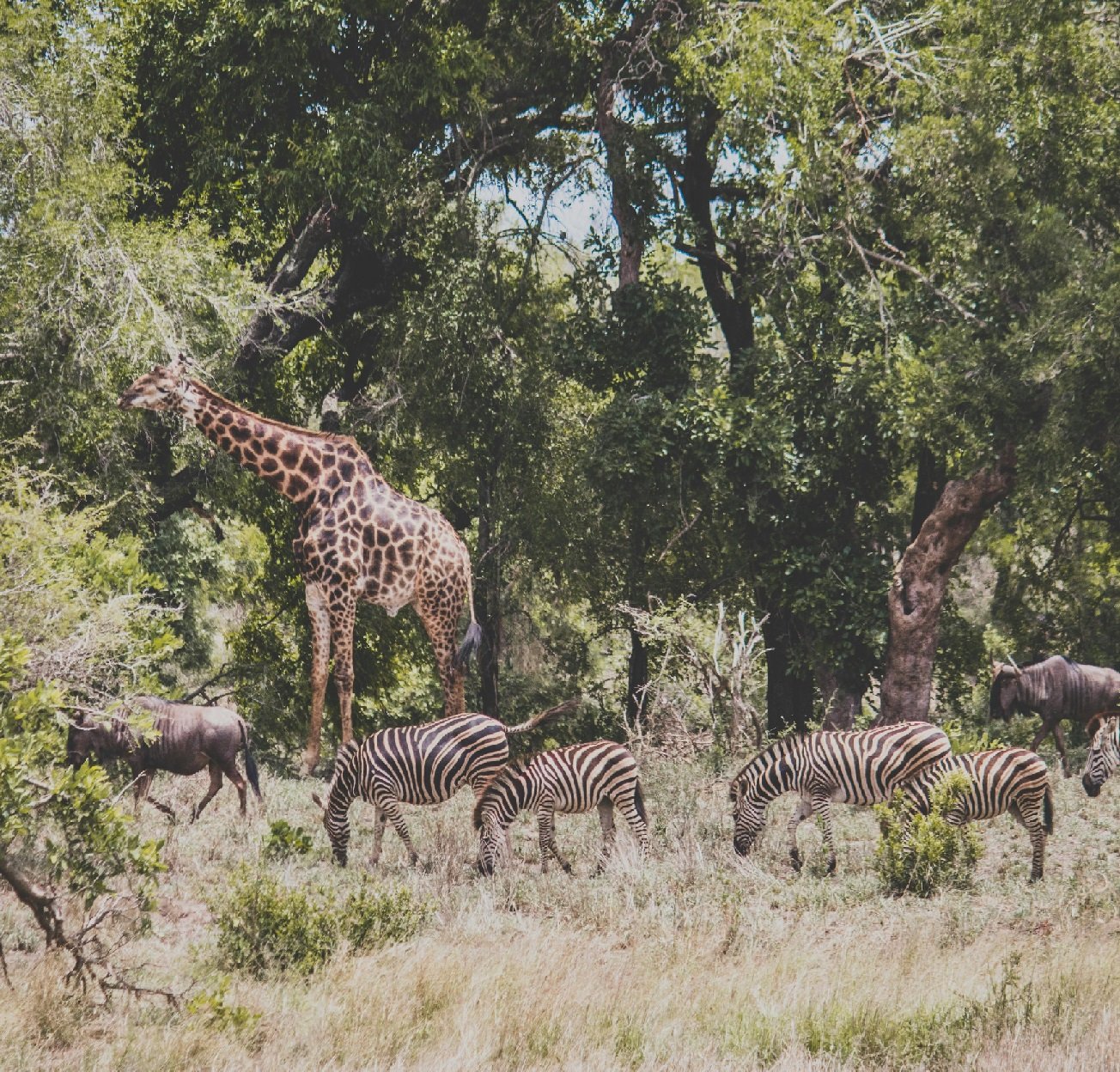
The Wildebeest Migration, often touted as one of the greatest wildlife spectacles on the planet, is a remarkable natural phenomenon that sees millions of wildebeest, zebras, and other herbivores moving in a cyclical pattern across the plains of East Africa. Central to this spectacle is the timing of the migration, which is driven by a combination of factors including seasonal weather patterns, the availability of food and water, and the instinctual behavior of the animals.
The Wildebeest Migration is a constant cycle of movement, with the animals following the rains and the growth of fresh grass. The migration is a year-round event, with the animals constantly on the move in search of food and water. However, the most iconic and well-known phase of the migration is the river crossings, where thousands of wildebeest and zebras brave crocodile-infested waters in their quest to reach greener pastures.
The timing of the Wildebeest Migration is highly dependent on the rainfall patterns in the Serengeti ecosystem, which spans parts of Tanzania and Kenya. The migration typically follows a set pattern, with the wildebeest and other herbivores moving in a clockwise direction across the plains. The animals typically start their journey in the southern Serengeti in December, where they give birth to their young during the calving season. As the dry season sets in and the grass starts to wither, the herds begin their northward journey towards the Mara River, a key obstacle that they must cross to reach the lush grazing grounds of the Masai Mara in Kenya.
The river crossings, which usually occur between July and September, are a dramatic and often chaotic affair, with massive herds of animals gathering on the banks of the river before plunging into the waters en masse. The crossings are fraught with danger, as crocodiles lie in wait for the unsuspecting prey, leading to scenes of panic and confusion as the animals try to navigate the treacherous waters.
As the animals reach the Masai Mara, they graze on the nutrient-rich grasslands, replenishing their strength before beginning the cycle anew. The timing of the migration is crucial for the survival of the wildebeest and other herbivores, as they must time their movements to coincide with the availability of food and water resources.
In conclusion, the Wildebeest Migration is a fascinating natural spectacle that is intricately tied to the seasonal rhythms of the African savanna. The timing of the migration is a finely tuned dance of nature, with the animals instinctively knowing when to move to maximize their chances of survival. Understanding the timing of the Wildebeest Migration gives us a deeper insight into the resilience and adaptability of these iconic animals, and serves as a reminder of the beauty and complexity of the natural world.
Leave a Comment:
SEARCH
Recent News
- Zurich, Switzerland is a vibrant city known for its rich cultural scene and diverse music offerings. One unique aspect of Zurich's music scene is the presence of Sudanese music, which has found a home in the city's melting pot of cultures.
- Zurich, Switzerland is a vibrant city known for its picturesque landscapes, rich history, and diverse cultural scene. One fascinating aspect of Zurich's cultural tapestry is the influence of Sudanese culture in the city.
- Zurich, Switzerland is known for its multicultural atmosphere and diverse culinary scene. One of the lesser-known gems of Zurich's food scene is Sudanese cuisine. Sudanese cuisine is a reflection of the country's diverse cultural influences, blending Arabic, African, and Mediterranean flavors to create a unique and delicious culinary experience.
- Zurich, Switzerland, is a vibrant city known for its scenic beauty, rich history, and thriving business environment. One interesting aspect of Zurich's business landscape is the presence of Sudanese entrepreneurs who have made their mark in various industries in the city.
- Visiting Zurich, Switzerland, can be an enriching experience for music lovers from all corners of the world. While the city may not be the first place that comes to mind when thinking about South African music, Zurich's diverse music scene offers a glimpse into the vibrant sounds of this African nation.
- Zurich, Switzerland, is renowned for its picturesque landscapes, vibrant culture, and thriving economy. However, thousands of kilometers away in Russia, agriculture plays a crucial role in the country's economy and food production.
- Zurich, Switzerland is a vibrant city known for its stunning architecture, picturesque landscapes, and rich culture. One aspect of Zurich's cultural scene that often goes under the radar is its regional music. The city and its surrounding areas are home to a diverse range of musical styles, reflecting the multiculturalism and artistic diversity of the region.
- Top 5 Zurich Regional Movies You Must Watch
READ MORE
10 months ago Category :

Zurich, Switzerland is a vibrant city known for its rich cultural scene and diverse music offerings. One unique aspect of Zurich's music scene is the presence of Sudanese music, which has found a home in the city's melting pot of cultures.
Read More →10 months ago Category :

Zurich, Switzerland is a vibrant city known for its picturesque landscapes, rich history, and diverse cultural scene. One fascinating aspect of Zurich's cultural tapestry is the influence of Sudanese culture in the city.
Read More →10 months ago Category :

Zurich, Switzerland is known for its multicultural atmosphere and diverse culinary scene. One of the lesser-known gems of Zurich's food scene is Sudanese cuisine. Sudanese cuisine is a reflection of the country's diverse cultural influences, blending Arabic, African, and Mediterranean flavors to create a unique and delicious culinary experience.
Read More →10 months ago Category :
