The Serengeti National Park in Tanzania is renowned for many reasons, but perhaps one of the most remarkable sights in this vast wilderness is the annual wildebeest migration. Wildebeests, also known as gnus, are iconic African antelopes known for their distinctive appearance and massive herds that roam the grassy plains of the Serengeti.
Category : Serengeti Wildebeest en | Sub Category : Wildebeest Herds Posted on 2023-07-07 21:24:53
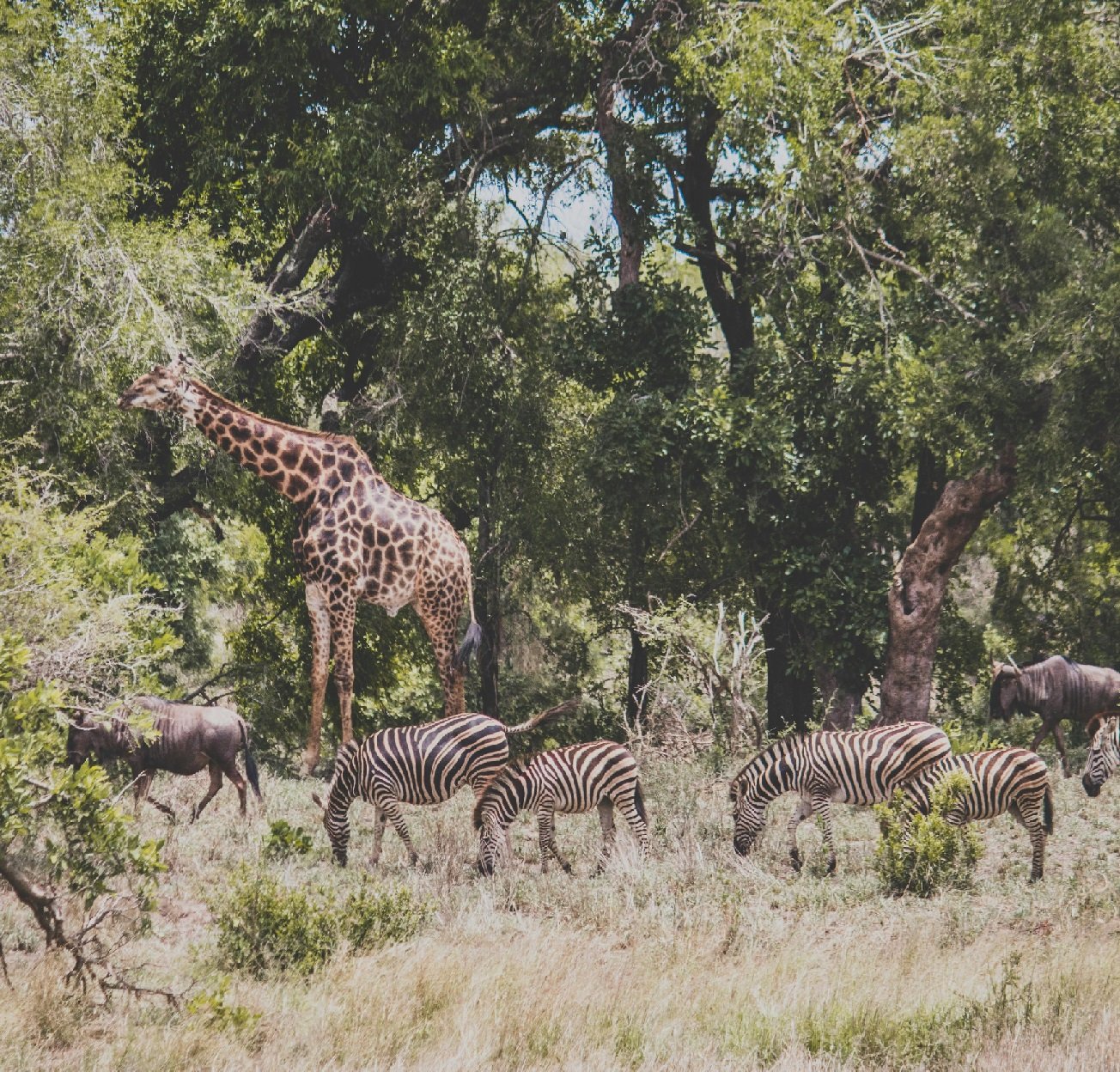
The Serengeti National Park in Tanzania is renowned for many reasons, but perhaps one of the most remarkable sights in this vast wilderness is the annual wildebeest migration. Wildebeests, also known as gnus, are iconic African antelopes known for their distinctive appearance and massive herds that roam the grassy plains of the Serengeti.
Every year, around two million wildebeests partake in a grand migration that covers a staggering distance of over 1,000 miles. This natural spectacle is considered one of the greatest wildlife shows on earth and attracts tourists and wildlife enthusiasts from around the globe.
The wildebeests' migration is driven by their search for greener pastures and fresh water sources. As the seasons change and the rains come and go, the herds move in a cyclical pattern through the Serengeti ecosystem, following the availability of food and water. They cross rivers, traverse open plains, and navigate woodlands in a constant quest for sustenance.
One of the most awe-inspiring events during the migration is the river crossings, where thousands of wildebeests plunge into crocodile-infested waters in a frenzied dash to reach the other side. The sight of these animals risking their lives in the face of danger is both heart-stopping and exhilarating.
The wildebeest herds are accompanied by zebras, gazelles, and other antelope species, forming a diverse and dynamic ecosystem on the move. Predators such as lions, cheetahs, and hyenas trail the herds, preying on the weak and vulnerable.
While the migration is a breathtaking spectacle to witness, it also serves a crucial ecological purpose. The trampling hooves of the wildebeests churn up the soil, promoting new growth and rejuvenating the grasslands. Their dung fertilizes the land, contributing to the overall health of the ecosystem.
However, the wildebeest migration is not without threats. Human encroachment, poaching, and habitat loss pose significant challenges to the survival of these magnificent animals. Conservation efforts are underway to protect the Serengeti ecosystem and ensure the long-term viability of the wildebeest herds.
In conclusion, the Serengeti wildebeest migration is a natural wonder that showcases the beauty and complexity of the African wilderness. It is a testament to the resilience and adaptability of wildlife in the face of changing environmental conditions. As we strive to protect this fragile ecosystem, we must also marvel at the grandeur of nature's spectacle unfolding before our eyes.
Leave a Comment:
SEARCH
Recent News
- Zurich, Switzerland is a vibrant city known for its rich cultural scene and diverse music offerings. One unique aspect of Zurich's music scene is the presence of Sudanese music, which has found a home in the city's melting pot of cultures.
- Zurich, Switzerland is a vibrant city known for its picturesque landscapes, rich history, and diverse cultural scene. One fascinating aspect of Zurich's cultural tapestry is the influence of Sudanese culture in the city.
- Zurich, Switzerland is known for its multicultural atmosphere and diverse culinary scene. One of the lesser-known gems of Zurich's food scene is Sudanese cuisine. Sudanese cuisine is a reflection of the country's diverse cultural influences, blending Arabic, African, and Mediterranean flavors to create a unique and delicious culinary experience.
- Zurich, Switzerland, is a vibrant city known for its scenic beauty, rich history, and thriving business environment. One interesting aspect of Zurich's business landscape is the presence of Sudanese entrepreneurs who have made their mark in various industries in the city.
- Visiting Zurich, Switzerland, can be an enriching experience for music lovers from all corners of the world. While the city may not be the first place that comes to mind when thinking about South African music, Zurich's diverse music scene offers a glimpse into the vibrant sounds of this African nation.
- Zurich, Switzerland, is renowned for its picturesque landscapes, vibrant culture, and thriving economy. However, thousands of kilometers away in Russia, agriculture plays a crucial role in the country's economy and food production.
- Zurich, Switzerland is a vibrant city known for its stunning architecture, picturesque landscapes, and rich culture. One aspect of Zurich's cultural scene that often goes under the radar is its regional music. The city and its surrounding areas are home to a diverse range of musical styles, reflecting the multiculturalism and artistic diversity of the region.
- Top 5 Zurich Regional Movies You Must Watch
READ MORE
10 months ago Category :

Zurich, Switzerland is a vibrant city known for its rich cultural scene and diverse music offerings. One unique aspect of Zurich's music scene is the presence of Sudanese music, which has found a home in the city's melting pot of cultures.
Read More →10 months ago Category :

Zurich, Switzerland is a vibrant city known for its picturesque landscapes, rich history, and diverse cultural scene. One fascinating aspect of Zurich's cultural tapestry is the influence of Sudanese culture in the city.
Read More →10 months ago Category :

Zurich, Switzerland is known for its multicultural atmosphere and diverse culinary scene. One of the lesser-known gems of Zurich's food scene is Sudanese cuisine. Sudanese cuisine is a reflection of the country's diverse cultural influences, blending Arabic, African, and Mediterranean flavors to create a unique and delicious culinary experience.
Read More →10 months ago Category :
