Savannah Inductive Reasoning: Unleashing the Power of Observation and Inference
Category : | Sub Category : Posted on 2025-11-03 22:25:23
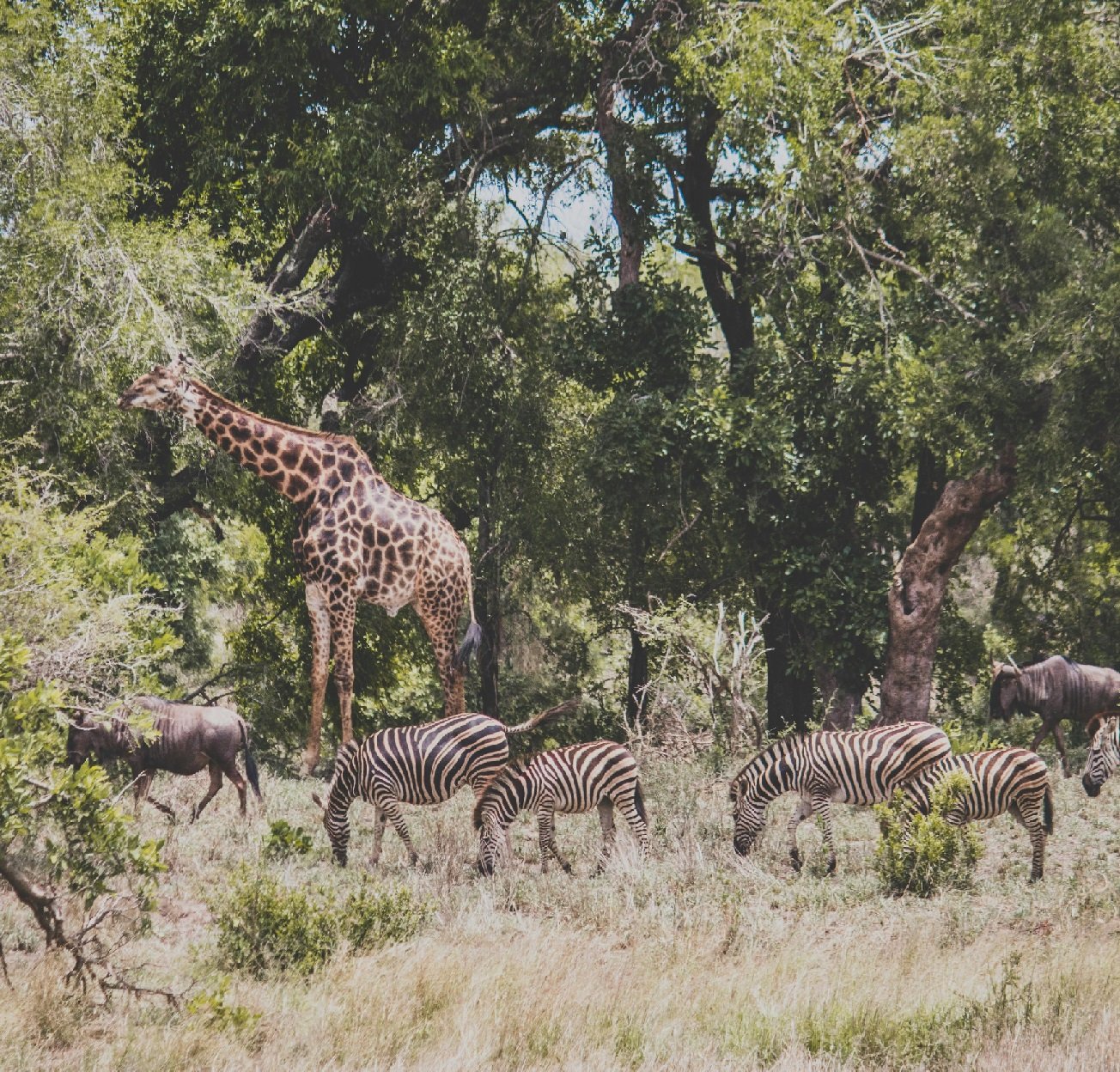
The savannah, with its vast open grasslands, scattered trees, and diverse wildlife, presents a unique and intriguing environment for exploring the concept of inductive reasoning. Inductive reasoning is the process of making generalizations based on specific observations, patterns, and trends. In the savannah, where nature's wonders are on full display, practicing inductive reasoning can lead to a deeper understanding of the ecosystem and its various components. One of the key aspects of inductive reasoning in the savannah is the art of observation. As you gaze out across the expansive grasslands, you may notice different types of animals grazing peacefully or roaming in search of food. By paying close attention to these observations, you can start to discern patterns and behaviors that can help you draw conclusions about the animals' habits and interactions. For example, you might observe a group of zebras grazing together while keeping a watchful eye out for predators. Through repeated observations, you may notice that zebras tend to stick together in groups for protection and that they rely on their keen eyesight and sharp hearing to alert them of any potential dangers. From these observations, you can infer that zebras have developed a social structure and communication system that aids in their survival on the savannah. In addition to observing individual species, inductive reasoning in the savannah also involves looking at the interactions between different organisms and their environment. For instance, you might notice how acacia trees provide shade and sustenance for giraffes, who in turn help prune the trees by feeding on their leaves. This mutualistic relationship between giraffes and acacia trees demonstrates the interconnectedness of life on the savannah and the intricate balance that exists within the ecosystem. Another fascinating aspect of inductive reasoning in the savannah is predicting future outcomes based on current observations and trends. By analyzing the behavior of animals, the availability of food and water sources, and other environmental factors, you can make educated guesses about how certain events may unfold in the future. For example, if you observe a prolonged period of drought in the savannah, you can predict that certain herbivores may struggle to find adequate food, leading to a decline in their populations and potentially impacting the entire ecosystem. In conclusion, the savannah provides a rich tapestry of opportunities for practicing inductive reasoning through observation, pattern recognition, and inference. By immersing yourself in this dynamic environment and honing your skills of critical thinking and analysis, you can unlock the secrets of this remarkable ecosystem and gain a deeper appreciation for the wonders of nature. So next time you find yourself on the savannah, take a moment to observe, reflect, and let the power of inductive reasoning guide you on a journey of discovery and understanding. Want to gain insights? Start with https://www.regionales.net
Leave a Comment:
SEARCH
Recent News
- Zurich, Switzerland is a vibrant city known for its rich cultural scene and diverse music offerings. One unique aspect of Zurich's music scene is the presence of Sudanese music, which has found a home in the city's melting pot of cultures.
- Zurich, Switzerland is a vibrant city known for its picturesque landscapes, rich history, and diverse cultural scene. One fascinating aspect of Zurich's cultural tapestry is the influence of Sudanese culture in the city.
- Zurich, Switzerland is known for its multicultural atmosphere and diverse culinary scene. One of the lesser-known gems of Zurich's food scene is Sudanese cuisine. Sudanese cuisine is a reflection of the country's diverse cultural influences, blending Arabic, African, and Mediterranean flavors to create a unique and delicious culinary experience.
- Zurich, Switzerland, is a vibrant city known for its scenic beauty, rich history, and thriving business environment. One interesting aspect of Zurich's business landscape is the presence of Sudanese entrepreneurs who have made their mark in various industries in the city.
- Visiting Zurich, Switzerland, can be an enriching experience for music lovers from all corners of the world. While the city may not be the first place that comes to mind when thinking about South African music, Zurich's diverse music scene offers a glimpse into the vibrant sounds of this African nation.
- Zurich, Switzerland, is renowned for its picturesque landscapes, vibrant culture, and thriving economy. However, thousands of kilometers away in Russia, agriculture plays a crucial role in the country's economy and food production.
- Zurich, Switzerland is a vibrant city known for its stunning architecture, picturesque landscapes, and rich culture. One aspect of Zurich's cultural scene that often goes under the radar is its regional music. The city and its surrounding areas are home to a diverse range of musical styles, reflecting the multiculturalism and artistic diversity of the region.
- Top 5 Zurich Regional Movies You Must Watch
READ MORE
11 months ago Category :

Zurich, Switzerland is a vibrant city known for its rich cultural scene and diverse music offerings. One unique aspect of Zurich's music scene is the presence of Sudanese music, which has found a home in the city's melting pot of cultures.
Read More →11 months ago Category :

Zurich, Switzerland is a vibrant city known for its picturesque landscapes, rich history, and diverse cultural scene. One fascinating aspect of Zurich's cultural tapestry is the influence of Sudanese culture in the city.
Read More →11 months ago Category :

Zurich, Switzerland is known for its multicultural atmosphere and diverse culinary scene. One of the lesser-known gems of Zurich's food scene is Sudanese cuisine. Sudanese cuisine is a reflection of the country's diverse cultural influences, blending Arabic, African, and Mediterranean flavors to create a unique and delicious culinary experience.
Read More →11 months ago Category :
