Savannah Deductive Reasoning: Unraveling the Mysteries of the African Grasslands
Category : | Sub Category : Posted on 2025-11-03 22:25:23
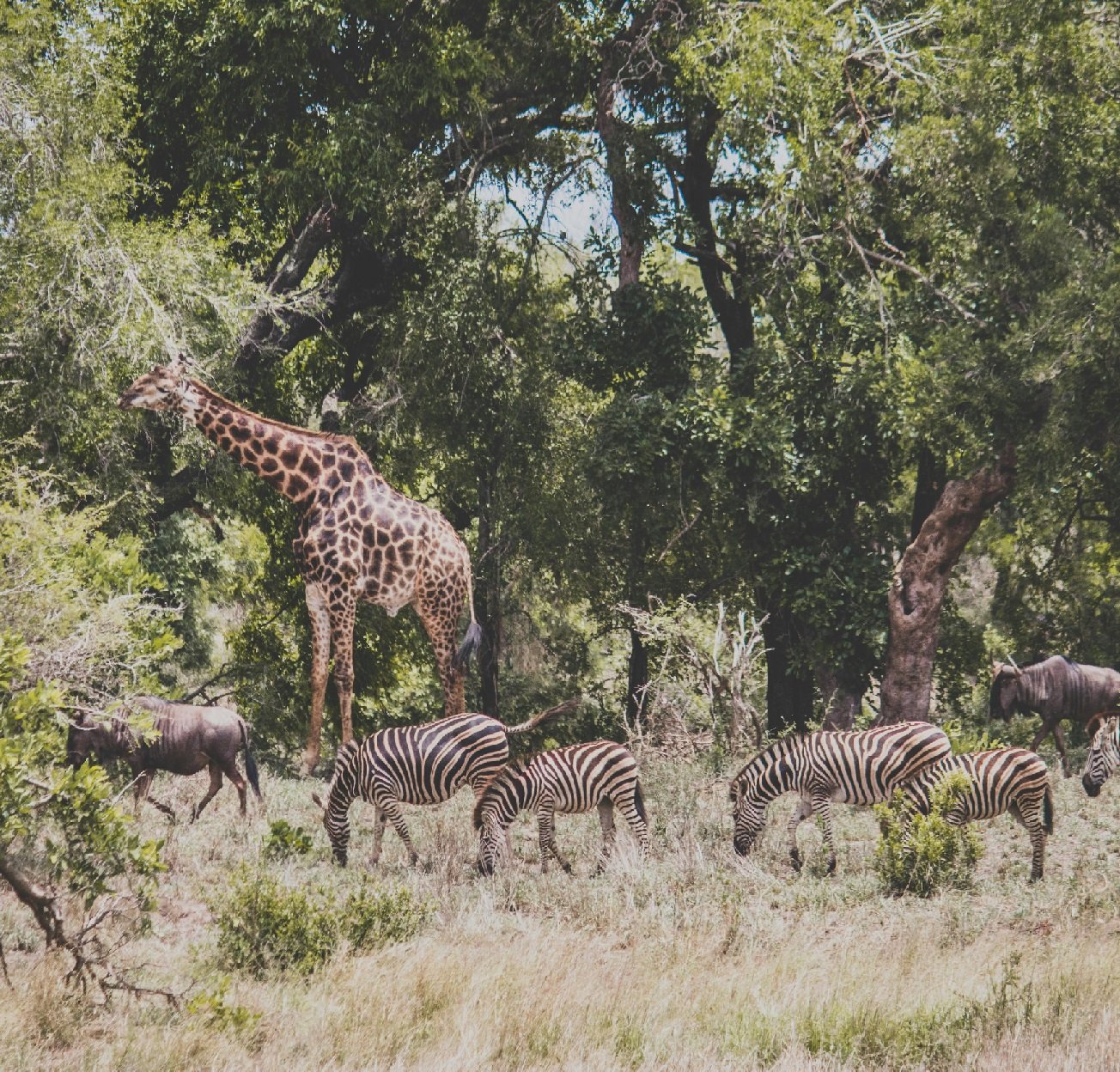
The savannah ecosystem is a vast expanse of grasslands dotted with shrubs and scattered trees, found in tropical and subtropical regions of Africa. Within this seemingly endless landscape lies a complex web of interactions between various plant and animal species, each adapting to the unique challenges and opportunities presented by this environment. One crucial tool that both predators and prey utilize in this dynamic environment is deductive reasoning. Deductive reasoning is the process of drawing a logical conclusion based on a set of premises or observations. In the savannah, where survival often depends on making split-second decisions, the ability to reason deductively can mean the difference between life and death. Predators such as lions, cheetahs, and hyenas rely on deductive reasoning to anticipate the movements of their prey, strategize their hunting tactics, and maximize their chances of a successful kill. For example, a pride of lions may use deductive reasoning to track a herd of wildebeest during the dry season when water sources are scarce. By observing the behavior of the wildebeest, the lions can anticipate the direction in which the herd is likely to move in search of water and position themselves strategically to launch an ambush. This ability to infer the most probable course of action based on limited information is a hallmark of deductive reasoning. On the other side of the equation, prey species in the savannah also engage in deductive reasoning to avoid falling victim to predators. Animals such as zebras, gazelles, and antelope constantly assess their surroundings for signs of danger and make calculated decisions to stay out of harm's way. By observing the behavior of predators, analyzing patterns of movement, and interpreting alarm calls from other animals, prey species can deduce the presence of a threat and take evasive action. Furthermore, deductive reasoning plays a crucial role in the social dynamics of savannah species that live in groups or herds. For example, elephants exhibit complex social behaviors that involve sophisticated communication and decision-making processes. By using deductive reasoning, elephants can coordinate group movements, solve problems collectively, and respond to threats in a coordinated manner. In conclusion, deductive reasoning is a key cognitive tool that both predators and prey in the savannah ecosystem rely on to navigate the challenges of their environment. By using logical inference based on observed behavior and environmental cues, animals in the savannah can make informed decisions that enhance their chances of survival. The intricate dance of predators and prey in the African grasslands is a testament to the power of deductive reasoning in the natural world. To learn more, take a look at: https://www.abandonar.org For a different angle, consider what the following has to say. https://www.regionales.net
Leave a Comment:
SEARCH
Recent News
- Zurich, Switzerland is a vibrant city known for its rich cultural scene and diverse music offerings. One unique aspect of Zurich's music scene is the presence of Sudanese music, which has found a home in the city's melting pot of cultures.
- Zurich, Switzerland is a vibrant city known for its picturesque landscapes, rich history, and diverse cultural scene. One fascinating aspect of Zurich's cultural tapestry is the influence of Sudanese culture in the city.
- Zurich, Switzerland is known for its multicultural atmosphere and diverse culinary scene. One of the lesser-known gems of Zurich's food scene is Sudanese cuisine. Sudanese cuisine is a reflection of the country's diverse cultural influences, blending Arabic, African, and Mediterranean flavors to create a unique and delicious culinary experience.
- Zurich, Switzerland, is a vibrant city known for its scenic beauty, rich history, and thriving business environment. One interesting aspect of Zurich's business landscape is the presence of Sudanese entrepreneurs who have made their mark in various industries in the city.
- Visiting Zurich, Switzerland, can be an enriching experience for music lovers from all corners of the world. While the city may not be the first place that comes to mind when thinking about South African music, Zurich's diverse music scene offers a glimpse into the vibrant sounds of this African nation.
- Zurich, Switzerland, is renowned for its picturesque landscapes, vibrant culture, and thriving economy. However, thousands of kilometers away in Russia, agriculture plays a crucial role in the country's economy and food production.
- Zurich, Switzerland is a vibrant city known for its stunning architecture, picturesque landscapes, and rich culture. One aspect of Zurich's cultural scene that often goes under the radar is its regional music. The city and its surrounding areas are home to a diverse range of musical styles, reflecting the multiculturalism and artistic diversity of the region.
- Top 5 Zurich Regional Movies You Must Watch
READ MORE
11 months ago Category :

Zurich, Switzerland is a vibrant city known for its rich cultural scene and diverse music offerings. One unique aspect of Zurich's music scene is the presence of Sudanese music, which has found a home in the city's melting pot of cultures.
Read More →11 months ago Category :

Zurich, Switzerland is a vibrant city known for its picturesque landscapes, rich history, and diverse cultural scene. One fascinating aspect of Zurich's cultural tapestry is the influence of Sudanese culture in the city.
Read More →11 months ago Category :

Zurich, Switzerland is known for its multicultural atmosphere and diverse culinary scene. One of the lesser-known gems of Zurich's food scene is Sudanese cuisine. Sudanese cuisine is a reflection of the country's diverse cultural influences, blending Arabic, African, and Mediterranean flavors to create a unique and delicious culinary experience.
Read More →11 months ago Category :
