Savannah Tree Species: The Majestic Marula Trees
Category : Savannah Tree Species en | Sub Category : Marula Trees Posted on 2023-07-07 21:24:53
Savannah Tree Species: The Majestic Marula Trees
The African savannah is a unique and diverse ecosystem, home to a wide variety of plant and animal species. Among the majestic trees that dot the landscape, the marula tree stands out for its cultural significance and ecological importance.
The marula tree, scientifically known as Sclerocarya birrea, is native to the woodlands of southern Africa. It is a deciduous tree with a spreading crown and can grow up to 18 meters tall. The tree is known for its distinctive pale gray bark and compound leaves that provide shade and shelter to a variety of wildlife.
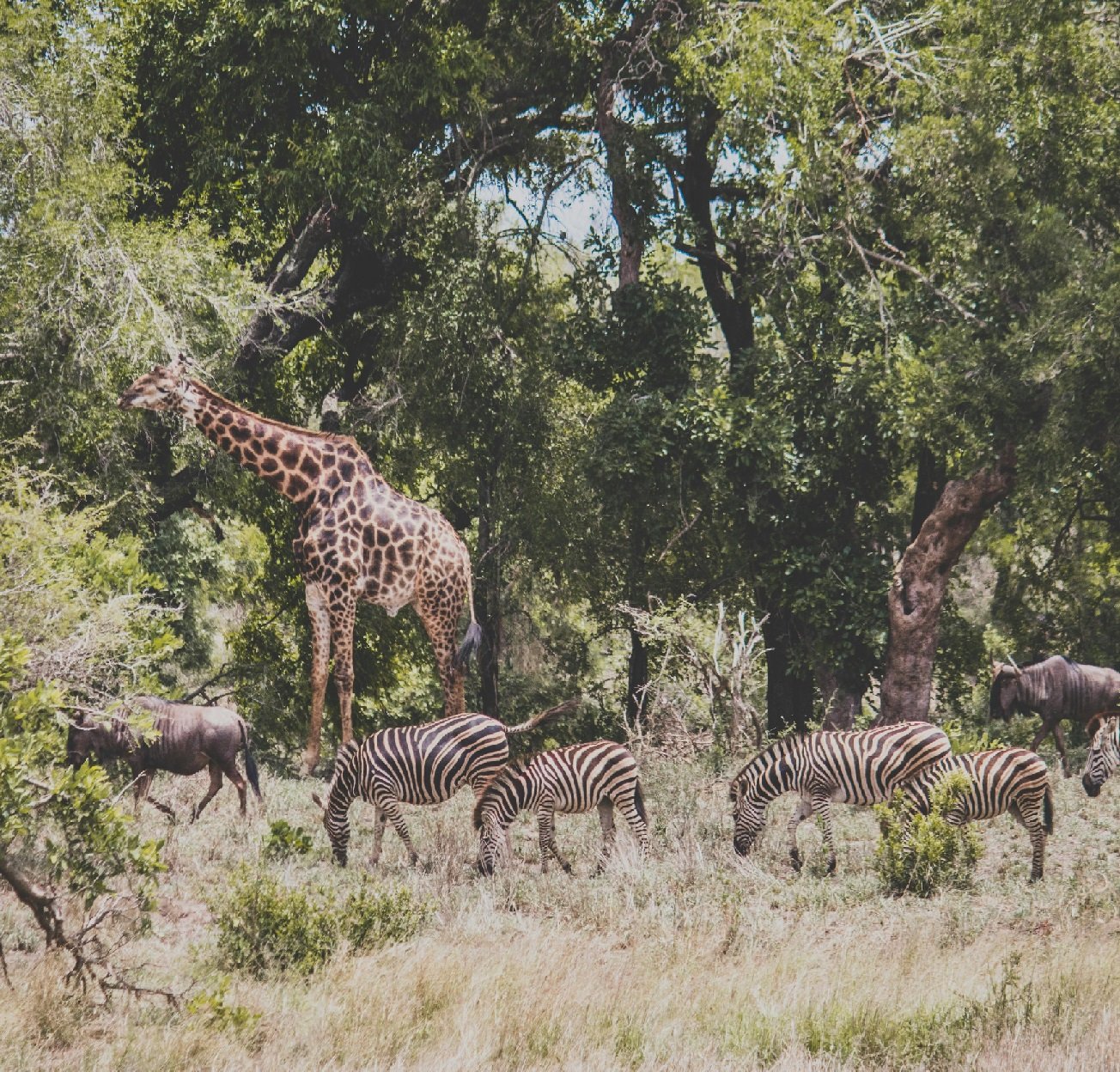
One of the most iconic features of the marula tree is its round, green fruits that ripen to a yellow color. These fruits are a rich source of vitamin C and have a tart, citrusy flavor. They are a favorite snack for many animals, including elephants, giraffes, and baboons, who eagerly devour them when they fall to the ground.
In addition to being a source of food for wildlife, the marula tree plays an important role in African culture and folklore. The fruit is used to make a popular alcoholic beverage called marula wine, which has a sweet and slightly nutty flavor. According to local legend, elephants are known to eat the fermented fruit and become intoxicated, stumbling around in a playful manner.
Furthermore, the marula tree has various traditional uses in African communities. The bark is used for making rope and baskets, while the wood is valued for carving and building materials. The tree also has medicinal properties, with different parts being used to treat ailments such as diarrhea, dysentery, and insect bites.
Despite its cultural significance, the marula tree faces threats from habitat loss and climate change. Conservation efforts are underway to protect these majestic trees and preserve their ecological role in the savannah ecosystem.
In conclusion, the marula tree is a symbol of the African savannah, known for its cultural importance, ecological significance, and unique beauty. As we continue to study and appreciate these remarkable trees, it is essential to ensure their survival for future generations to enjoy.
Leave a Comment:
SEARCH
Recent News
- Zurich, Switzerland is a vibrant city known for its rich cultural scene and diverse music offerings. One unique aspect of Zurich's music scene is the presence of Sudanese music, which has found a home in the city's melting pot of cultures.
- Zurich, Switzerland is a vibrant city known for its picturesque landscapes, rich history, and diverse cultural scene. One fascinating aspect of Zurich's cultural tapestry is the influence of Sudanese culture in the city.
- Zurich, Switzerland is known for its multicultural atmosphere and diverse culinary scene. One of the lesser-known gems of Zurich's food scene is Sudanese cuisine. Sudanese cuisine is a reflection of the country's diverse cultural influences, blending Arabic, African, and Mediterranean flavors to create a unique and delicious culinary experience.
- Zurich, Switzerland, is a vibrant city known for its scenic beauty, rich history, and thriving business environment. One interesting aspect of Zurich's business landscape is the presence of Sudanese entrepreneurs who have made their mark in various industries in the city.
- Visiting Zurich, Switzerland, can be an enriching experience for music lovers from all corners of the world. While the city may not be the first place that comes to mind when thinking about South African music, Zurich's diverse music scene offers a glimpse into the vibrant sounds of this African nation.
- Zurich, Switzerland, is renowned for its picturesque landscapes, vibrant culture, and thriving economy. However, thousands of kilometers away in Russia, agriculture plays a crucial role in the country's economy and food production.
- Zurich, Switzerland is a vibrant city known for its stunning architecture, picturesque landscapes, and rich culture. One aspect of Zurich's cultural scene that often goes under the radar is its regional music. The city and its surrounding areas are home to a diverse range of musical styles, reflecting the multiculturalism and artistic diversity of the region.
- Top 5 Zurich Regional Movies You Must Watch
READ MORE
10 months ago Category :

Zurich, Switzerland is a vibrant city known for its rich cultural scene and diverse music offerings. One unique aspect of Zurich's music scene is the presence of Sudanese music, which has found a home in the city's melting pot of cultures.
Read More →10 months ago Category :

Zurich, Switzerland is a vibrant city known for its picturesque landscapes, rich history, and diverse cultural scene. One fascinating aspect of Zurich's cultural tapestry is the influence of Sudanese culture in the city.
Read More →10 months ago Category :

Zurich, Switzerland is known for its multicultural atmosphere and diverse culinary scene. One of the lesser-known gems of Zurich's food scene is Sudanese cuisine. Sudanese cuisine is a reflection of the country's diverse cultural influences, blending Arabic, African, and Mediterranean flavors to create a unique and delicious culinary experience.
Read More →10 months ago Category :
