Savannah grasslands are known for their diverse range of grass species, each playing a vital role in the ecosystem. In this blog post, we will focus on short grasses, which are an essential component of the savannah biome.
Category : Savannah Grass Species en | Sub Category : Short Grasses Posted on 2023-07-07 21:24:53
Savannah grasslands are known for their diverse range of grass species, each playing a vital role in the ecosystem. In this blog post, we will focus on short grasses, which are an essential component of the savannah biome.
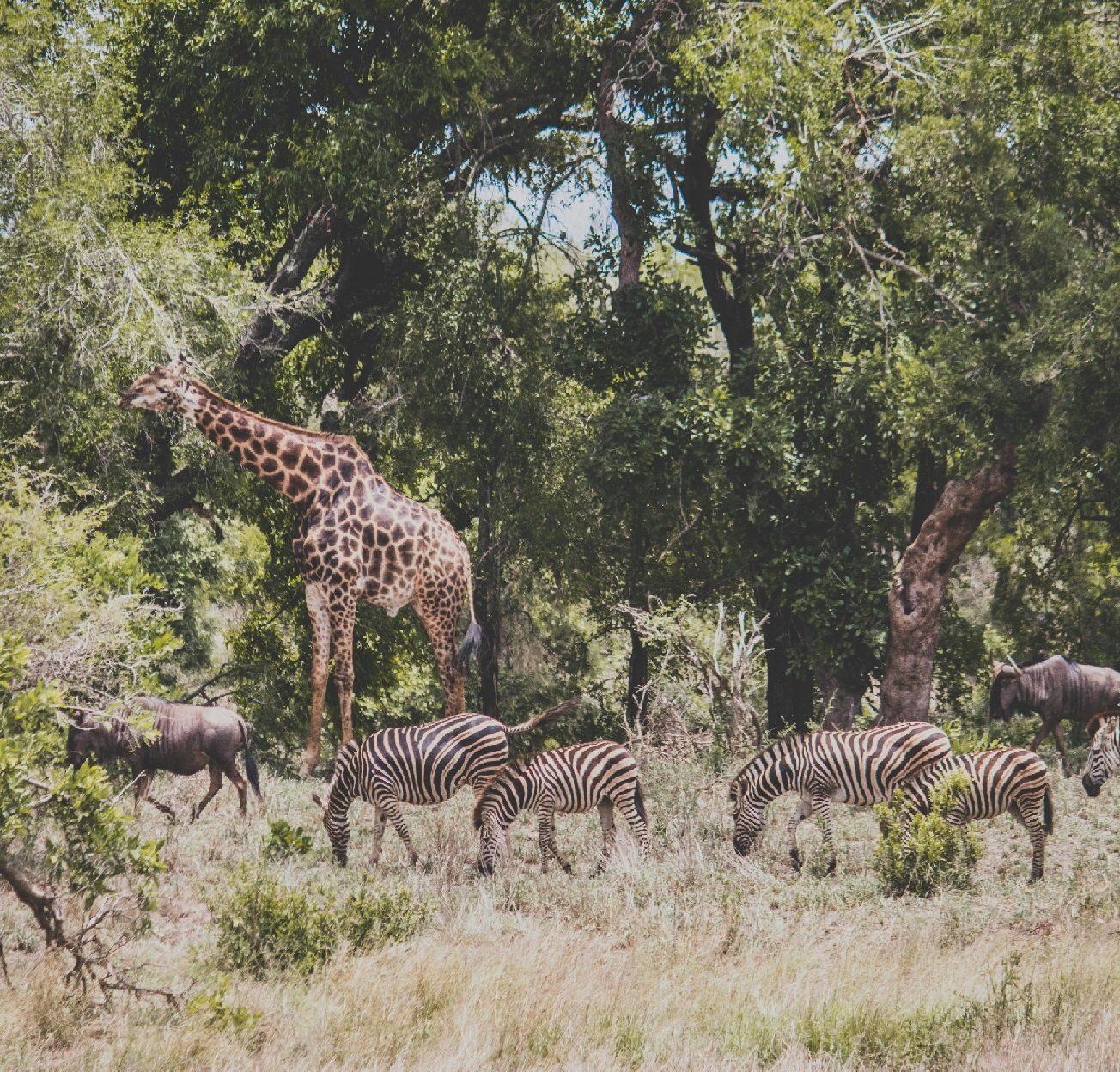
Short grasses typically grow to a height of less than 20 inches, making them ideal for grazing animals such as zebras, gazelles, and wildebeests. These grasses provide a source of food for herbivores and help maintain the balance of the savannah ecosystem.
One common short grass species found in savannah grasslands is buffalograss (Buchloe dactyloides). Buffalograss is a warm-season perennial grass that thrives in dry, sunny conditions. It has a fine texture and forms dense mats, making it an excellent choice for erosion control in savannah habitats.
Another important short grass species is blue grama (Bouteloua gracilis). Blue grama is a native grass to North America and is well-adapted to arid environments. Its distinctive seedheads resemble eyelashes, giving it a unique appearance in the savannah landscape.
Little bluestem (Schizachyrium scoparium) is a short grass species that adds color to savannah grasslands with its reddish-brown stems and blue-green foliage. It provides nesting habitat for birds and small mammals, contributing to the biodiversity of the savannah ecosystem.
Short grasses play a crucial role in the savannah biome by stabilizing the soil, preventing erosion, and providing food and habitat for a variety of wildlife species. Their resilience in harsh environmental conditions makes them valuable contributors to the overall health and sustainability of savannah grasslands.
Next time you find yourself in a savannah grassland, take a moment to appreciate the beauty and importance of the short grass species that make up this diverse ecosystem. Their presence is a testament to the intricate balance of nature in one of the world's most iconic landscapes.
Savannah grasslands are known for their diverse range of grass species, each playing a vital role in the ecosystem. In this blog post, we will focus on short grasses, which are an essential component of the savannah biome.
Category : Savannah Grass Species en | Sub Category : Short Grasses Posted on 2023-07-07 21:24:53
Savannah grasslands are known for their diverse range of grass species, each playing a vital role in the ecosystem. In this blog post, we will focus on short grasses, which are an essential component of the savannah biome.
Short grasses typically grow to a height of less than 20 inches, making them ideal for grazing animals such as zebras, gazelles, and wildebeests. These grasses provide a source of food for herbivores and help maintain the balance of the savannah ecosystem.
One common short grass species found in savannah grasslands is buffalograss (Buchloe dactyloides). Buffalograss is a warm-season perennial grass that thrives in dry, sunny conditions. It has a fine texture and forms dense mats, making it an excellent choice for erosion control in savannah habitats.
Another important short grass species is blue grama (Bouteloua gracilis). Blue grama is a native grass to North America and is well-adapted to arid environments. Its distinctive seedheads resemble eyelashes, giving it a unique appearance in the savannah landscape.
Little bluestem (Schizachyrium scoparium) is a short grass species that adds color to savannah grasslands with its reddish-brown stems and blue-green foliage. It provides nesting habitat for birds and small mammals, contributing to the biodiversity of the savannah ecosystem.
Short grasses play a crucial role in the savannah biome by stabilizing the soil, preventing erosion, and providing food and habitat for a variety of wildlife species. Their resilience in harsh environmental conditions makes them valuable contributors to the overall health and sustainability of savannah grasslands.
Next time you find yourself in a savannah grassland, take a moment to appreciate the beauty and importance of the short grass species that make up this diverse ecosystem. Their presence is a testament to the intricate balance of nature in one of the world's most iconic landscapes.
Leave a Comment:
SEARCH
Recent News
- Zurich, Switzerland is a vibrant city known for its rich cultural scene and diverse music offerings. One unique aspect of Zurich's music scene is the presence of Sudanese music, which has found a home in the city's melting pot of cultures.
- Zurich, Switzerland is a vibrant city known for its picturesque landscapes, rich history, and diverse cultural scene. One fascinating aspect of Zurich's cultural tapestry is the influence of Sudanese culture in the city.
- Zurich, Switzerland is known for its multicultural atmosphere and diverse culinary scene. One of the lesser-known gems of Zurich's food scene is Sudanese cuisine. Sudanese cuisine is a reflection of the country's diverse cultural influences, blending Arabic, African, and Mediterranean flavors to create a unique and delicious culinary experience.
- Zurich, Switzerland, is a vibrant city known for its scenic beauty, rich history, and thriving business environment. One interesting aspect of Zurich's business landscape is the presence of Sudanese entrepreneurs who have made their mark in various industries in the city.
- Visiting Zurich, Switzerland, can be an enriching experience for music lovers from all corners of the world. While the city may not be the first place that comes to mind when thinking about South African music, Zurich's diverse music scene offers a glimpse into the vibrant sounds of this African nation.
- Zurich, Switzerland, is renowned for its picturesque landscapes, vibrant culture, and thriving economy. However, thousands of kilometers away in Russia, agriculture plays a crucial role in the country's economy and food production.
- Zurich, Switzerland is a vibrant city known for its stunning architecture, picturesque landscapes, and rich culture. One aspect of Zurich's cultural scene that often goes under the radar is its regional music. The city and its surrounding areas are home to a diverse range of musical styles, reflecting the multiculturalism and artistic diversity of the region.
- Top 5 Zurich Regional Movies You Must Watch
READ MORE
10 months ago Category :

Zurich, Switzerland is a vibrant city known for its rich cultural scene and diverse music offerings. One unique aspect of Zurich's music scene is the presence of Sudanese music, which has found a home in the city's melting pot of cultures.
Read More →10 months ago Category :

Zurich, Switzerland is a vibrant city known for its picturesque landscapes, rich history, and diverse cultural scene. One fascinating aspect of Zurich's cultural tapestry is the influence of Sudanese culture in the city.
Read More →10 months ago Category :

Zurich, Switzerland is known for its multicultural atmosphere and diverse culinary scene. One of the lesser-known gems of Zurich's food scene is Sudanese cuisine. Sudanese cuisine is a reflection of the country's diverse cultural influences, blending Arabic, African, and Mediterranean flavors to create a unique and delicious culinary experience.
Read More →10 months ago Category :
