Savannah Conservation: Conservation Projects Making a Difference
Category : Savannah Conservation en | Sub Category : Conservation Projects Posted on 2023-07-07 21:24:53
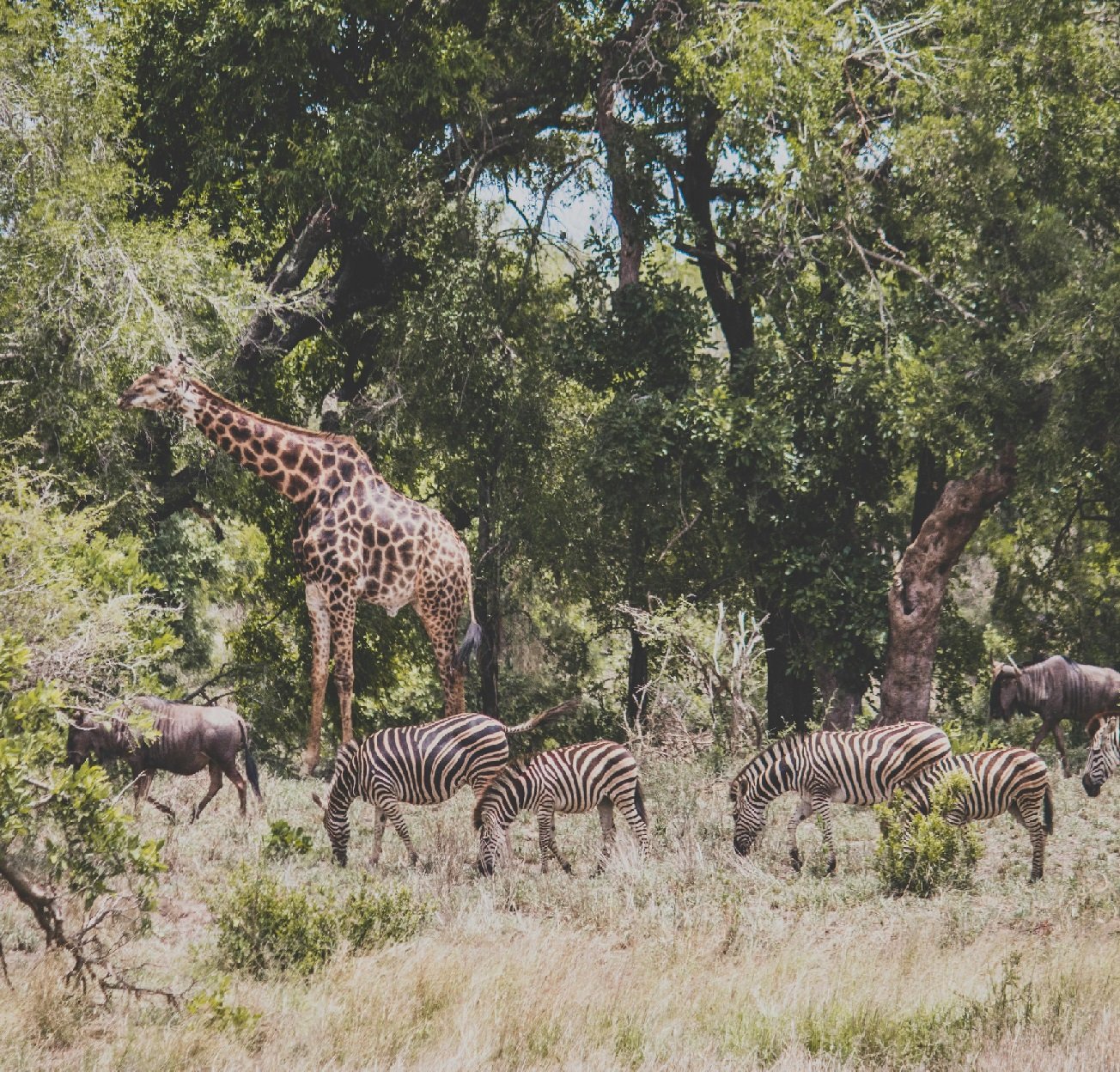
Savannah Conservation: Conservation Projects Making a Difference
The savannah is a unique and diverse ecosystem that is home to a wide range of plant and animal species. However, this valuable environment is facing numerous threats, including habitat loss, climate change, and poaching. In order to protect the savannah and its inhabitants, conservation projects are being implemented to make a positive impact on this vital ecosystem.
One of the key conservation projects aimed at safeguarding the savannah is habitat restoration. Due to factors such as agriculture, urbanization, and mining, large areas of savannah land have been degraded or destroyed. By restoring these habitats through reforestation, erosion control, and the removal of invasive species, conservationists are helping to create a healthier environment for plants and animals to thrive.
Another important aspect of savannah conservation projects is the protection of endangered species. Many iconic animals, such as the African elephant, lion, and cheetah, are at risk of extinction due to poaching, human-wildlife conflict, and habitat loss. Conservation efforts, such as anti-poaching patrols, community education programs, and wildlife corridors, are being implemented to ensure the survival of these species for future generations.
In addition to on-the-ground conservation work, research and monitoring play a crucial role in understanding the savannah ecosystem and identifying key conservation strategies. Scientists study wildlife populations, vegetation dynamics, and climate patterns to gather data that can inform conservation decisions and policies. This scientific knowledge is essential for developing effective conservation plans that address the specific challenges facing the savannah.
Community involvement is also a vital component of savannah conservation projects. Local communities living in and around the savannah play a significant role in protecting the environment and its wildlife. By engaging with these communities, conservation organizations can promote sustainable land use practices, support eco-friendly livelihoods, and foster a sense of stewardship for the natural world.
Overall, savannah conservation projects are making a positive impact on this unique ecosystem by addressing threats such as habitat loss, poaching, and climate change. Through habitat restoration, species protection, research, and community involvement, conservationists are working tirelessly to preserve the savannah for future generations to enjoy. By supporting these initiatives and spreading awareness about the importance of savannah conservation, we can all play a part in safeguarding this valuable ecosystem for years to come.
Leave a Comment:
SEARCH
Recent News
- Zurich, Switzerland is a vibrant city known for its rich cultural scene and diverse music offerings. One unique aspect of Zurich's music scene is the presence of Sudanese music, which has found a home in the city's melting pot of cultures.
- Zurich, Switzerland is a vibrant city known for its picturesque landscapes, rich history, and diverse cultural scene. One fascinating aspect of Zurich's cultural tapestry is the influence of Sudanese culture in the city.
- Zurich, Switzerland is known for its multicultural atmosphere and diverse culinary scene. One of the lesser-known gems of Zurich's food scene is Sudanese cuisine. Sudanese cuisine is a reflection of the country's diverse cultural influences, blending Arabic, African, and Mediterranean flavors to create a unique and delicious culinary experience.
- Zurich, Switzerland, is a vibrant city known for its scenic beauty, rich history, and thriving business environment. One interesting aspect of Zurich's business landscape is the presence of Sudanese entrepreneurs who have made their mark in various industries in the city.
- Visiting Zurich, Switzerland, can be an enriching experience for music lovers from all corners of the world. While the city may not be the first place that comes to mind when thinking about South African music, Zurich's diverse music scene offers a glimpse into the vibrant sounds of this African nation.
- Zurich, Switzerland, is renowned for its picturesque landscapes, vibrant culture, and thriving economy. However, thousands of kilometers away in Russia, agriculture plays a crucial role in the country's economy and food production.
- Zurich, Switzerland is a vibrant city known for its stunning architecture, picturesque landscapes, and rich culture. One aspect of Zurich's cultural scene that often goes under the radar is its regional music. The city and its surrounding areas are home to a diverse range of musical styles, reflecting the multiculturalism and artistic diversity of the region.
- Top 5 Zurich Regional Movies You Must Watch
READ MORE
10 months ago Category :

Zurich, Switzerland is a vibrant city known for its rich cultural scene and diverse music offerings. One unique aspect of Zurich's music scene is the presence of Sudanese music, which has found a home in the city's melting pot of cultures.
Read More →10 months ago Category :

Zurich, Switzerland is a vibrant city known for its picturesque landscapes, rich history, and diverse cultural scene. One fascinating aspect of Zurich's cultural tapestry is the influence of Sudanese culture in the city.
Read More →10 months ago Category :

Zurich, Switzerland is known for its multicultural atmosphere and diverse culinary scene. One of the lesser-known gems of Zurich's food scene is Sudanese cuisine. Sudanese cuisine is a reflection of the country's diverse cultural influences, blending Arabic, African, and Mediterranean flavors to create a unique and delicious culinary experience.
Read More →10 months ago Category :
