Savannas are vast grassland ecosystems characterized by scattered trees and shrubs. These unique habitats are home to a diverse range of wildlife, including elephants, giraffes, lions, and zebras. However, savannas around the world are facing numerous threats that are putting these ecosystems and the animals that depend on them at risk.
Category : Savanna Habitats en | Sub Category : Habitat Threats Posted on 2023-07-07 21:24:53
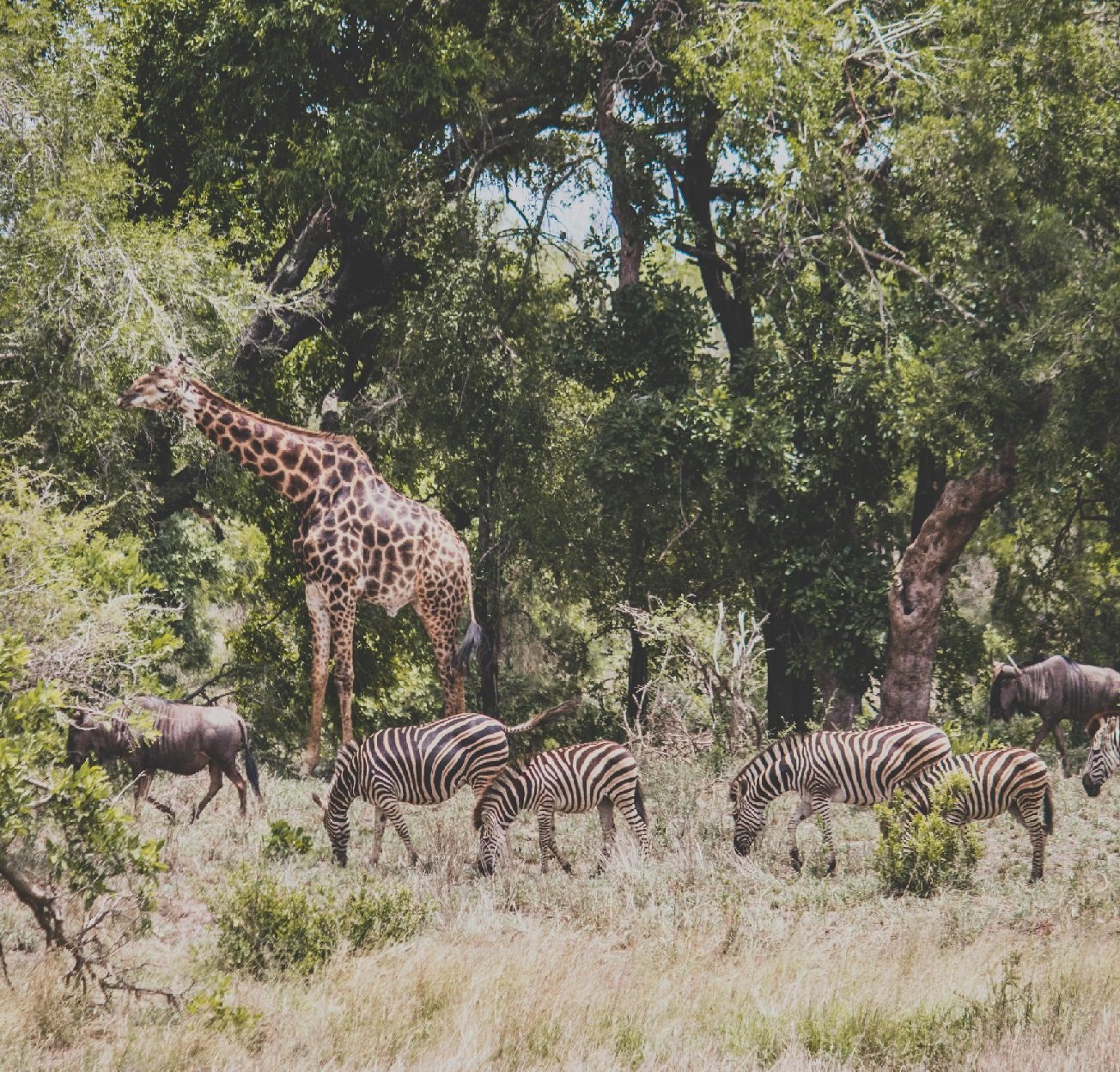
Savannas are vast grassland ecosystems characterized by scattered trees and shrubs. These unique habitats are home to a diverse range of wildlife, including elephants, giraffes, lions, and zebras. However, savannas around the world are facing numerous threats that are putting these ecosystems and the animals that depend on them at risk.
One of the most significant threats to savanna habitats is habitat destruction and fragmentation. As human populations continue to expand, more land is cleared for agriculture, infrastructure development, and urbanization. This clearing of land destroys the natural habitat of savannas, leading to the displacement of wildlife and loss of biodiversity. Fragmentation of savanna habitats also isolates populations of animals, making it difficult for them to find food, mates, and suitable living areas.
Climate change is another major threat to savanna habitats. Rising temperatures, changes in precipitation patterns, and increased frequency of extreme weather events are altering the conditions in these ecosystems. These changes can disrupt the delicate balance of plant and animal species that have adapted to the specific climate of savannas. Droughts, wildfires, and desertification are becoming more common in many savanna regions, further endangering the flora and fauna that call these habitats home.
Human activities such as poaching, illegal logging, and unsustainable hunting practices are also contributing to the decline of savanna habitats. The illegal wildlife trade threatens iconic species like elephants and rhinos, while unsustainable logging practices deplete the resources that savanna ecosystems rely on. Overgrazing by livestock is another issue, as it can damage the vegetation of savannas and lead to soil erosion and degradation.
Invasive species pose a significant threat to savanna habitats as well. Non-native plants and animals introduced to these ecosystems can outcompete native species for resources, disrupt food chains, and alter the natural balance of the ecosystem. Invasive species can also spread diseases that can devastate local wildlife populations, further endangering the biodiversity of savannas.
To protect savanna habitats and the wildlife that depend on them, conservation efforts are crucial. This includes establishing protected areas, implementing sustainable land management practices, combating poaching and illegal wildlife trade, and raising awareness about the importance of savanna ecosystems. By addressing these threats and working together to conserve savannas, we can help ensure that these unique habitats continue to thrive for generations to come.
Leave a Comment:
SEARCH
Recent News
- Zurich, Switzerland is a vibrant city known for its rich cultural scene and diverse music offerings. One unique aspect of Zurich's music scene is the presence of Sudanese music, which has found a home in the city's melting pot of cultures.
- Zurich, Switzerland is a vibrant city known for its picturesque landscapes, rich history, and diverse cultural scene. One fascinating aspect of Zurich's cultural tapestry is the influence of Sudanese culture in the city.
- Zurich, Switzerland is known for its multicultural atmosphere and diverse culinary scene. One of the lesser-known gems of Zurich's food scene is Sudanese cuisine. Sudanese cuisine is a reflection of the country's diverse cultural influences, blending Arabic, African, and Mediterranean flavors to create a unique and delicious culinary experience.
- Zurich, Switzerland, is a vibrant city known for its scenic beauty, rich history, and thriving business environment. One interesting aspect of Zurich's business landscape is the presence of Sudanese entrepreneurs who have made their mark in various industries in the city.
- Visiting Zurich, Switzerland, can be an enriching experience for music lovers from all corners of the world. While the city may not be the first place that comes to mind when thinking about South African music, Zurich's diverse music scene offers a glimpse into the vibrant sounds of this African nation.
- Zurich, Switzerland, is renowned for its picturesque landscapes, vibrant culture, and thriving economy. However, thousands of kilometers away in Russia, agriculture plays a crucial role in the country's economy and food production.
- Zurich, Switzerland is a vibrant city known for its stunning architecture, picturesque landscapes, and rich culture. One aspect of Zurich's cultural scene that often goes under the radar is its regional music. The city and its surrounding areas are home to a diverse range of musical styles, reflecting the multiculturalism and artistic diversity of the region.
- Top 5 Zurich Regional Movies You Must Watch
READ MORE
10 months ago Category :

Zurich, Switzerland is a vibrant city known for its rich cultural scene and diverse music offerings. One unique aspect of Zurich's music scene is the presence of Sudanese music, which has found a home in the city's melting pot of cultures.
Read More →10 months ago Category :

Zurich, Switzerland is a vibrant city known for its picturesque landscapes, rich history, and diverse cultural scene. One fascinating aspect of Zurich's cultural tapestry is the influence of Sudanese culture in the city.
Read More →10 months ago Category :

Zurich, Switzerland is known for its multicultural atmosphere and diverse culinary scene. One of the lesser-known gems of Zurich's food scene is Sudanese cuisine. Sudanese cuisine is a reflection of the country's diverse cultural influences, blending Arabic, African, and Mediterranean flavors to create a unique and delicious culinary experience.
Read More →10 months ago Category :
