Savannas are incredibly diverse habitats that support a wide range of plant and animal species. From the vast grasslands of Africa to the open woodlands of Australia, savannas cover approximately 20% of the Earth's land surface. One of the key features of savannas is their mix of grasses and scattered trees, creating a unique ecosystem that is home to a rich variety of life.
Category : Savanna Habitats en | Sub Category : Habitat Diversity Posted on 2023-07-07 21:24:53
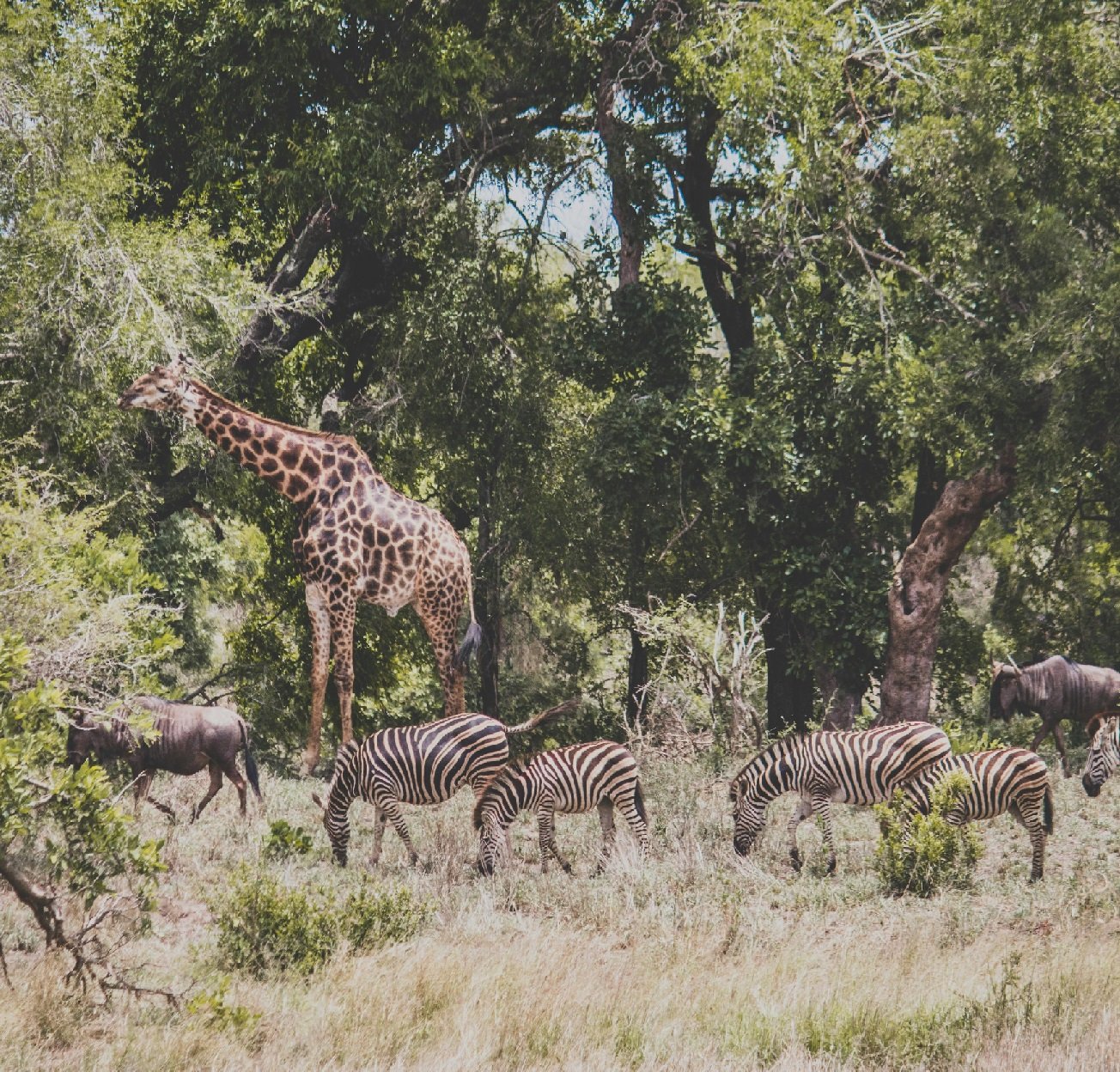
Savannas are incredibly diverse habitats that support a wide range of plant and animal species. From the vast grasslands of Africa to the open woodlands of Australia, savannas cover approximately 20% of the Earth's land surface. One of the key features of savannas is their mix of grasses and scattered trees, creating a unique ecosystem that is home to a rich variety of life.
The diversity of habitats within savannas is a result of various factors such as climate, soil type, and fire regimes. In Africa, the savannas are divided into different types based on the amount of rainfall they receive. The wetter savannas, known as tropical grasslands, have taller grasses and more trees, while the drier savannas, called tropical shrublands, have shorter grasses and fewer trees. This variation in vegetation allows for a greater diversity of species to thrive in different savanna habitats.
Furthermore, the presence of water sources such as rivers, streams, and watering holes within savannas creates additional habitat diversity. These water sources attract a wide range of animals, from grazing herbivores like zebras and wildebeest to predators like lions and hyenas. The mix of open grasslands and wooded areas provides different niches for various species to occupy, leading to a complex web of interactions within the savanna ecosystem.
Another important factor contributing to habitat diversity in savannas is the role of fire. Many savanna ecosystems are adapted to regular fires, which help to maintain the balance between grasses and trees. Fire clears out dead vegetation, stimulates new growth, and prevents trees from encroaching on grasslands. As a result, savannas have evolved to thrive in fire-prone environments, with different species exhibiting various adaptations to survive and even benefit from fires.
In conclusion, savannas are dynamic and diverse habitats that support a wide array of plant and animal life. The combination of grasslands, trees, water sources, and fire regimes creates a patchwork of habitats within savannas, each supporting its own unique assemblage of species. By preserving and protecting savanna habitats, we can ensure the continued survival of this rich biodiversity for future generations to enjoy.
Leave a Comment:
SEARCH
Recent News
- Zurich, Switzerland is a vibrant city known for its rich cultural scene and diverse music offerings. One unique aspect of Zurich's music scene is the presence of Sudanese music, which has found a home in the city's melting pot of cultures.
- Zurich, Switzerland is a vibrant city known for its picturesque landscapes, rich history, and diverse cultural scene. One fascinating aspect of Zurich's cultural tapestry is the influence of Sudanese culture in the city.
- Zurich, Switzerland is known for its multicultural atmosphere and diverse culinary scene. One of the lesser-known gems of Zurich's food scene is Sudanese cuisine. Sudanese cuisine is a reflection of the country's diverse cultural influences, blending Arabic, African, and Mediterranean flavors to create a unique and delicious culinary experience.
- Zurich, Switzerland, is a vibrant city known for its scenic beauty, rich history, and thriving business environment. One interesting aspect of Zurich's business landscape is the presence of Sudanese entrepreneurs who have made their mark in various industries in the city.
- Visiting Zurich, Switzerland, can be an enriching experience for music lovers from all corners of the world. While the city may not be the first place that comes to mind when thinking about South African music, Zurich's diverse music scene offers a glimpse into the vibrant sounds of this African nation.
- Zurich, Switzerland, is renowned for its picturesque landscapes, vibrant culture, and thriving economy. However, thousands of kilometers away in Russia, agriculture plays a crucial role in the country's economy and food production.
- Zurich, Switzerland is a vibrant city known for its stunning architecture, picturesque landscapes, and rich culture. One aspect of Zurich's cultural scene that often goes under the radar is its regional music. The city and its surrounding areas are home to a diverse range of musical styles, reflecting the multiculturalism and artistic diversity of the region.
- Top 5 Zurich Regional Movies You Must Watch
READ MORE
10 months ago Category :

Zurich, Switzerland is a vibrant city known for its rich cultural scene and diverse music offerings. One unique aspect of Zurich's music scene is the presence of Sudanese music, which has found a home in the city's melting pot of cultures.
Read More →10 months ago Category :

Zurich, Switzerland is a vibrant city known for its picturesque landscapes, rich history, and diverse cultural scene. One fascinating aspect of Zurich's cultural tapestry is the influence of Sudanese culture in the city.
Read More →10 months ago Category :

Zurich, Switzerland is known for its multicultural atmosphere and diverse culinary scene. One of the lesser-known gems of Zurich's food scene is Sudanese cuisine. Sudanese cuisine is a reflection of the country's diverse cultural influences, blending Arabic, African, and Mediterranean flavors to create a unique and delicious culinary experience.
Read More →10 months ago Category :
