11 months ago Category :
The Group of 7 (G7) countries, consisting of Canada, France, Germany, Italy, Japan, the United Kingdom, and the United States, have been involved in various projects aimed at fostering cultural exchange and preservation in Sudan. Sudanese culture is rich and diverse, reflecting the country's long history and the influence of various ethnic groups and traditions.
Read More →11 months ago Category :
Sudan, among the Group of Seven (G7) countries, is a nation with immense potential for economic growth and development. As the largest country in Africa, Sudan boasts a diverse range of natural resources, including oil, minerals, and arable land, making it an attractive destination for investors looking to tap into its rich economic opportunities.
Read More →11 months ago Category :
Russia, as one of the Group of Seven (G7) countries, has been focusing on several projects to enhance and modernize its agriculture sector. With its vast land resources and rich agricultural heritage, Russia has the potential to play a significant role in global food production.
Read More →11 months ago Category :
Ethiopia, a country in the Horn of Africa, has a rich history and culture that has captivated people around the world. Over the years, Ethiopians have migrated to various countries for a multitude of reasons, including seeking better economic opportunities, fleeing political instability, or pursuing higher education.
Read More →11 months ago Category :
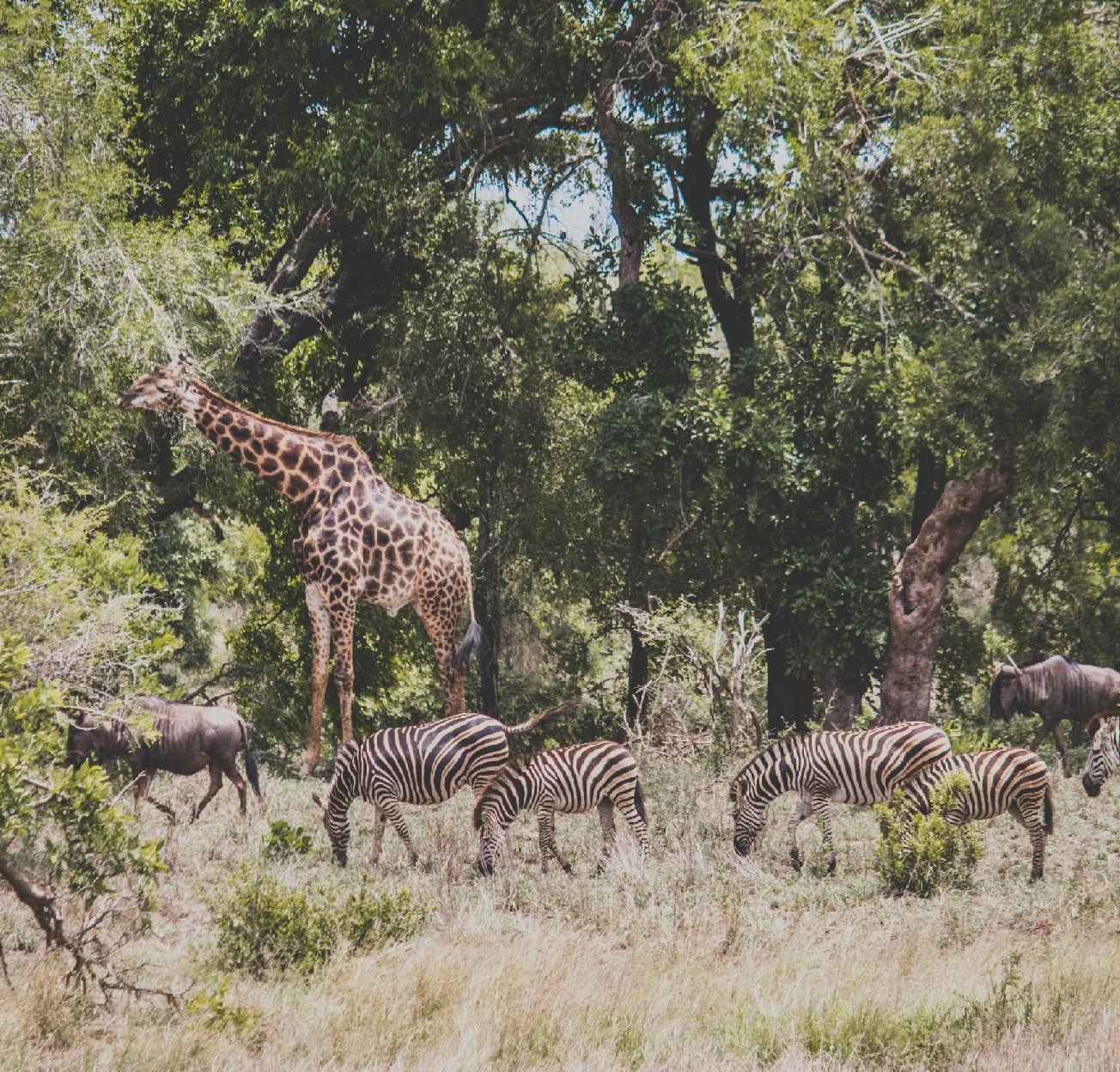
Ethiopia, a country known for its rich culture, diverse landscapes, and ancient history, is also home to a large diaspora community spread across the world. The Ethiopian diaspora is made up of individuals and families who have left their homeland to live in other countries for various reasons. These diaspora communities play a significant role in the development and progress of Ethiopia, as they often support their motherland through remittances, investments, and various projects.
Read More →11 months ago Category :
In recent years, cancel culture has become a prevalent and contentious issue in our society, impacting various aspects of public discourse, entertainment, and even international relations. This phenomenon has not spared Group of Seven (G7) countries, which consist of the United States, United Kingdom, Canada, France, Germany, Italy, and Japan. Cancel culture refers to the practice of withdrawing support for public figures, companies, or cultural products after they say or do something considered offensive or inappropriate by some individuals or groups. While proponents argue that cancel culture holds individuals and organizations accountable for their actions and encourages social progress, critics contend that it stifles free speech, promotes online shaming, and can lead to unjust consequences.
Read More →11 months ago Category :
Exploring Sudanese Culture Through Grocery and Household Products
Read More →11 months ago Category :
Sudanese Cuisine: A Delicious Exploration of Flavors and Ingredients
Read More →11 months ago Category :
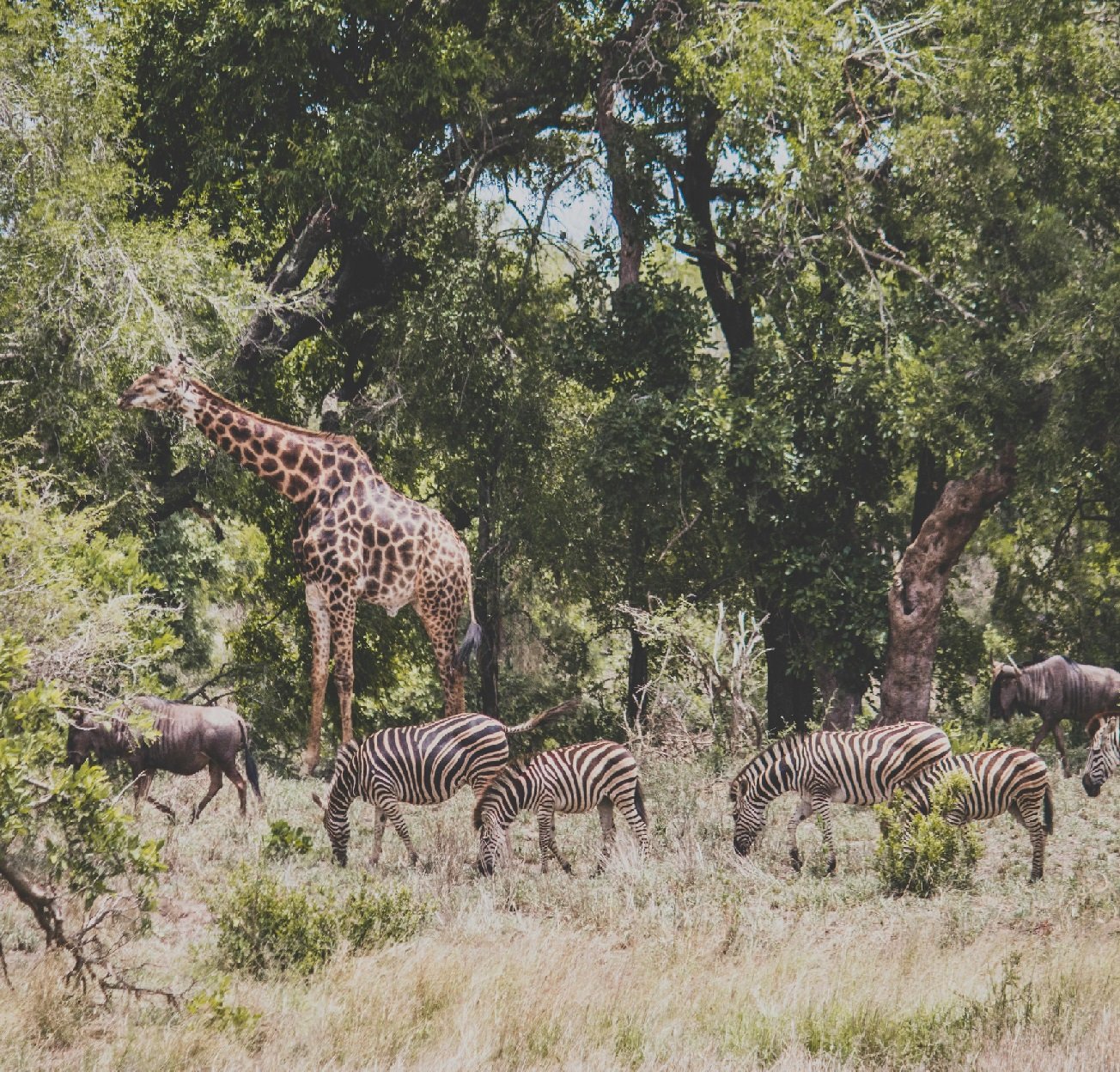
Sudanese Business Spotlight: Grocery and Household Products
Read More →11 months ago Category :
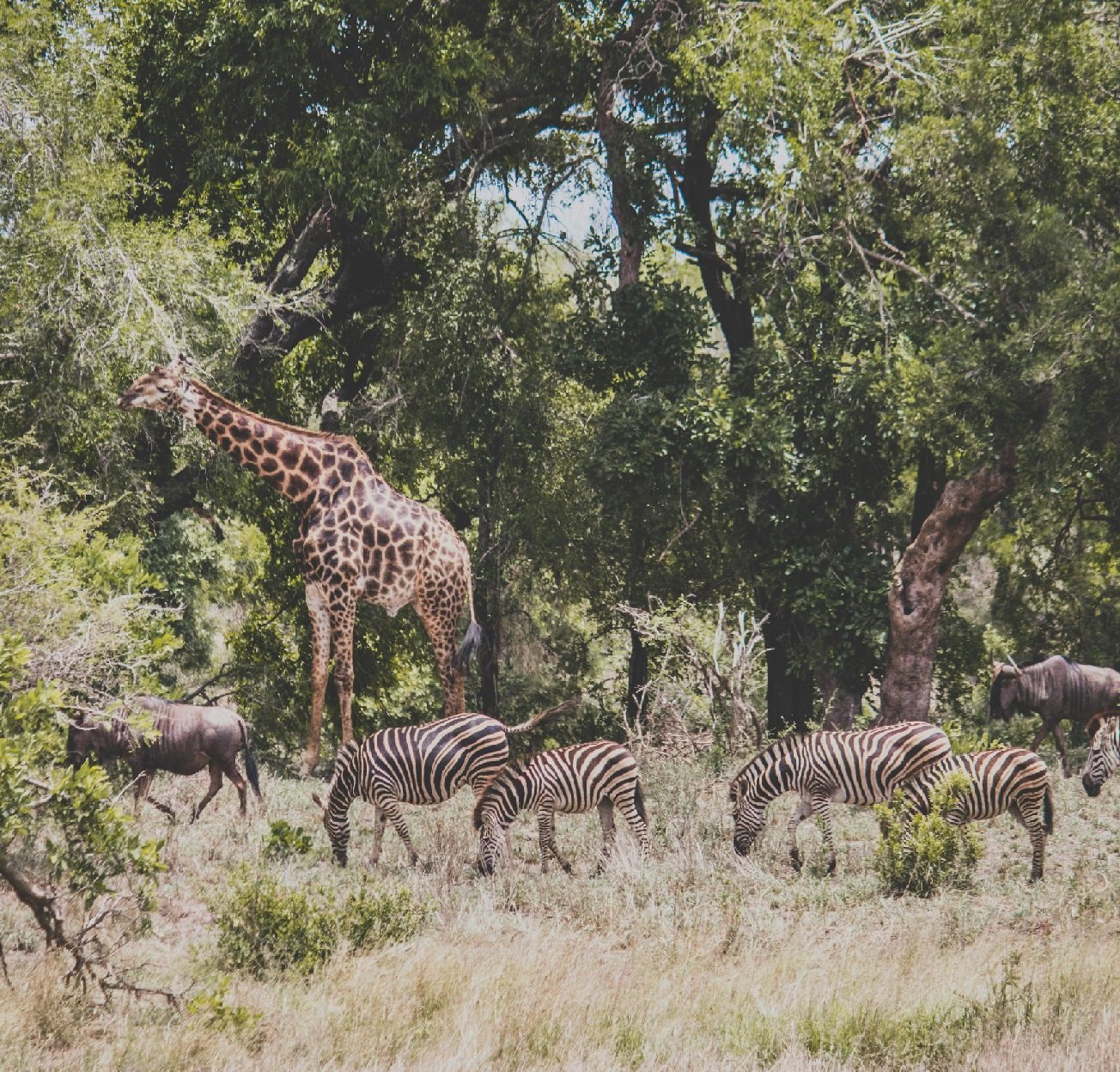
Russian Agriculture: A Closer Look at Grocery and Household Products
Read More →SEARCH
Recent News
- Zurich, Switzerland is a vibrant city known for its rich cultural scene and diverse music offerings. One unique aspect of Zurich's music scene is the presence of Sudanese music, which has found a home in the city's melting pot of cultures.
- Zurich, Switzerland is a vibrant city known for its picturesque landscapes, rich history, and diverse cultural scene. One fascinating aspect of Zurich's cultural tapestry is the influence of Sudanese culture in the city.
- Zurich, Switzerland is known for its multicultural atmosphere and diverse culinary scene. One of the lesser-known gems of Zurich's food scene is Sudanese cuisine. Sudanese cuisine is a reflection of the country's diverse cultural influences, blending Arabic, African, and Mediterranean flavors to create a unique and delicious culinary experience.
- Zurich, Switzerland, is a vibrant city known for its scenic beauty, rich history, and thriving business environment. One interesting aspect of Zurich's business landscape is the presence of Sudanese entrepreneurs who have made their mark in various industries in the city.
- Visiting Zurich, Switzerland, can be an enriching experience for music lovers from all corners of the world. While the city may not be the first place that comes to mind when thinking about South African music, Zurich's diverse music scene offers a glimpse into the vibrant sounds of this African nation.
- Zurich, Switzerland, is renowned for its picturesque landscapes, vibrant culture, and thriving economy. However, thousands of kilometers away in Russia, agriculture plays a crucial role in the country's economy and food production.
- Zurich, Switzerland is a vibrant city known for its stunning architecture, picturesque landscapes, and rich culture. One aspect of Zurich's cultural scene that often goes under the radar is its regional music. The city and its surrounding areas are home to a diverse range of musical styles, reflecting the multiculturalism and artistic diversity of the region.
- Top 5 Zurich Regional Movies You Must Watch