The African savannah is a vast ecosystem that covers a large part of the continent, characterized by grasslands dotted with trees and a diverse range of wildlife. One important aspect of the savannah that greatly influences its ecosystem is the weather. The weather in the African savannah is known for its distinct seasons and climatic conditions.
Category : African Savannah Facts en | Sub Category : Savannah Weather Posted on 2023-07-07 21:24:53
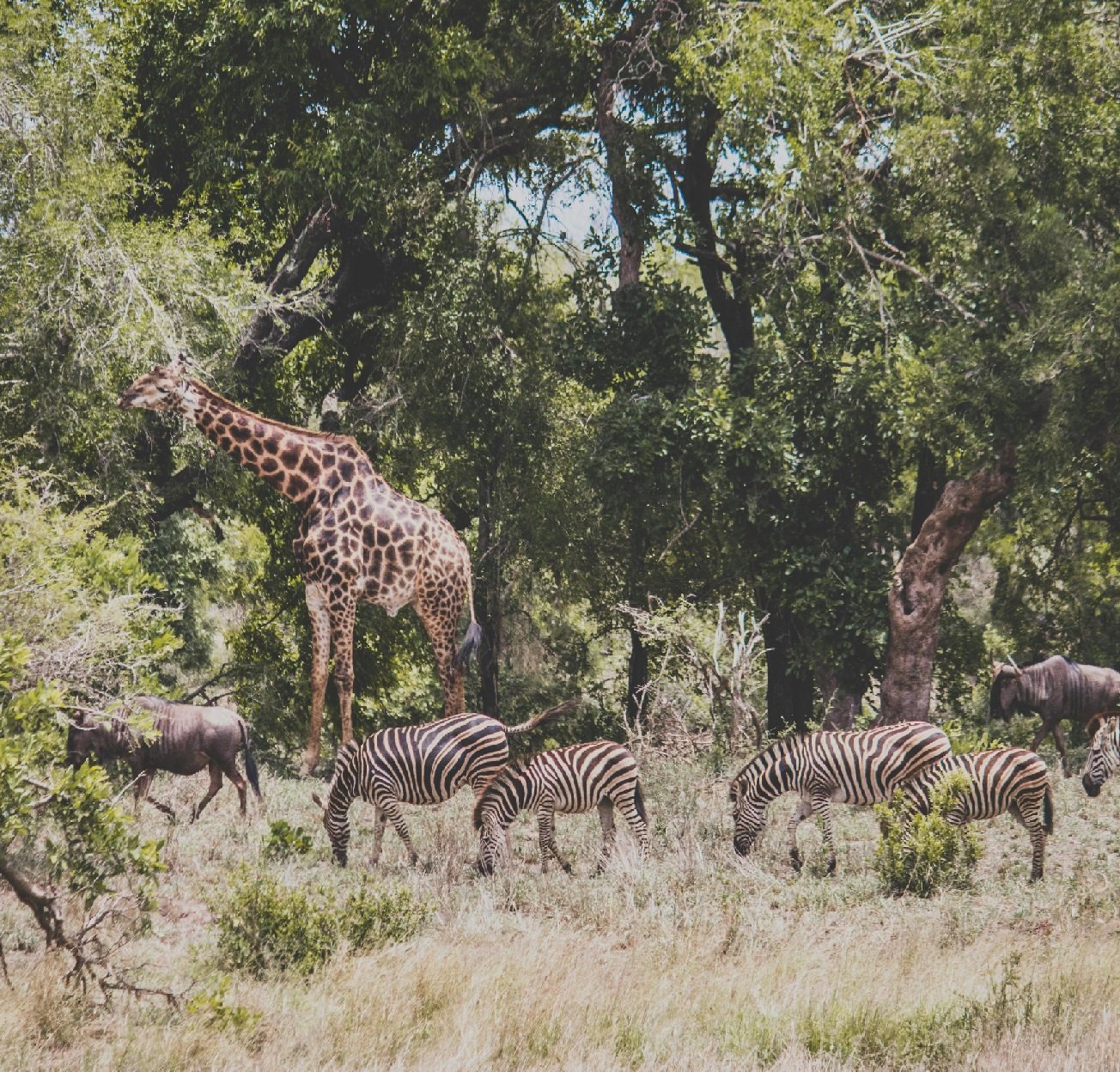
The African savannah is a vast ecosystem that covers a large part of the continent, characterized by grasslands dotted with trees and a diverse range of wildlife. One important aspect of the savannah that greatly influences its ecosystem is the weather. The weather in the African savannah is known for its distinct seasons and climatic conditions.
The African savannah experiences two main seasons: the wet season and the dry season. The wet season usually occurs during the summer months, when the region receives the majority of its rainfall. This period is crucial for the savannah's vegetation, as the rains nourish the grasslands and allow them to flourish. The wet season also provides essential water sources for wildlife, ensuring their survival during this time.
On the other hand, the dry season in the African savannah is characterized by low rainfall and high temperatures. This season can be challenging for both the vegetation and wildlife as water sources become scarce, and the grasslands dry up. Many animals migrate in search of water and food during this time, leading to the famous phenomenon of the Great Migration, where millions of animals move across the savannah in search of greener pastures.
The weather in the African savannah is influenced by several factors, including the region's proximity to the equator, which results in relatively stable temperatures throughout the year. The savannah's weather patterns are also affected by global climate phenomena such as El Niño and La Niña, which can bring irregular weather conditions to the region.
Overall, the weather in the African savannah plays a crucial role in shaping its ecosystem and the behavior of its inhabitants. Understanding the seasonal changes and climatic variations in the savannah is essential for conservation efforts and the protection of this unique and diverse ecosystem.
Leave a Comment:
SEARCH
Recent News
- Zurich, Switzerland is a vibrant city known for its rich cultural scene and diverse music offerings. One unique aspect of Zurich's music scene is the presence of Sudanese music, which has found a home in the city's melting pot of cultures.
- Zurich, Switzerland is a vibrant city known for its picturesque landscapes, rich history, and diverse cultural scene. One fascinating aspect of Zurich's cultural tapestry is the influence of Sudanese culture in the city.
- Zurich, Switzerland is known for its multicultural atmosphere and diverse culinary scene. One of the lesser-known gems of Zurich's food scene is Sudanese cuisine. Sudanese cuisine is a reflection of the country's diverse cultural influences, blending Arabic, African, and Mediterranean flavors to create a unique and delicious culinary experience.
- Zurich, Switzerland, is a vibrant city known for its scenic beauty, rich history, and thriving business environment. One interesting aspect of Zurich's business landscape is the presence of Sudanese entrepreneurs who have made their mark in various industries in the city.
- Visiting Zurich, Switzerland, can be an enriching experience for music lovers from all corners of the world. While the city may not be the first place that comes to mind when thinking about South African music, Zurich's diverse music scene offers a glimpse into the vibrant sounds of this African nation.
- Zurich, Switzerland, is renowned for its picturesque landscapes, vibrant culture, and thriving economy. However, thousands of kilometers away in Russia, agriculture plays a crucial role in the country's economy and food production.
- Zurich, Switzerland is a vibrant city known for its stunning architecture, picturesque landscapes, and rich culture. One aspect of Zurich's cultural scene that often goes under the radar is its regional music. The city and its surrounding areas are home to a diverse range of musical styles, reflecting the multiculturalism and artistic diversity of the region.
- Top 5 Zurich Regional Movies You Must Watch
READ MORE
10 months ago Category :

Zurich, Switzerland is a vibrant city known for its rich cultural scene and diverse music offerings. One unique aspect of Zurich's music scene is the presence of Sudanese music, which has found a home in the city's melting pot of cultures.
Read More →10 months ago Category :

Zurich, Switzerland is a vibrant city known for its picturesque landscapes, rich history, and diverse cultural scene. One fascinating aspect of Zurich's cultural tapestry is the influence of Sudanese culture in the city.
Read More →10 months ago Category :

Zurich, Switzerland is known for its multicultural atmosphere and diverse culinary scene. One of the lesser-known gems of Zurich's food scene is Sudanese cuisine. Sudanese cuisine is a reflection of the country's diverse cultural influences, blending Arabic, African, and Mediterranean flavors to create a unique and delicious culinary experience.
Read More →10 months ago Category :
