The African Savannah climate is characterized by distinct wet and dry seasons, making it a challenging environment for both wildlife and humans to thrive. The impact of this climate on the region is significant and far-reaching, affecting not only the ecosystem but also the livelihoods of the people who call this area home.
Category : African Savannah Climate en | Sub Category : Climate Impact Posted on 2023-07-07 21:24:53
The African Savannah climate is characterized by distinct wet and dry seasons, making it a challenging environment for both wildlife and humans to thrive. The impact of this climate on the region is significant and far-reaching, affecting not only the ecosystem but also the livelihoods of the people who call this area home.
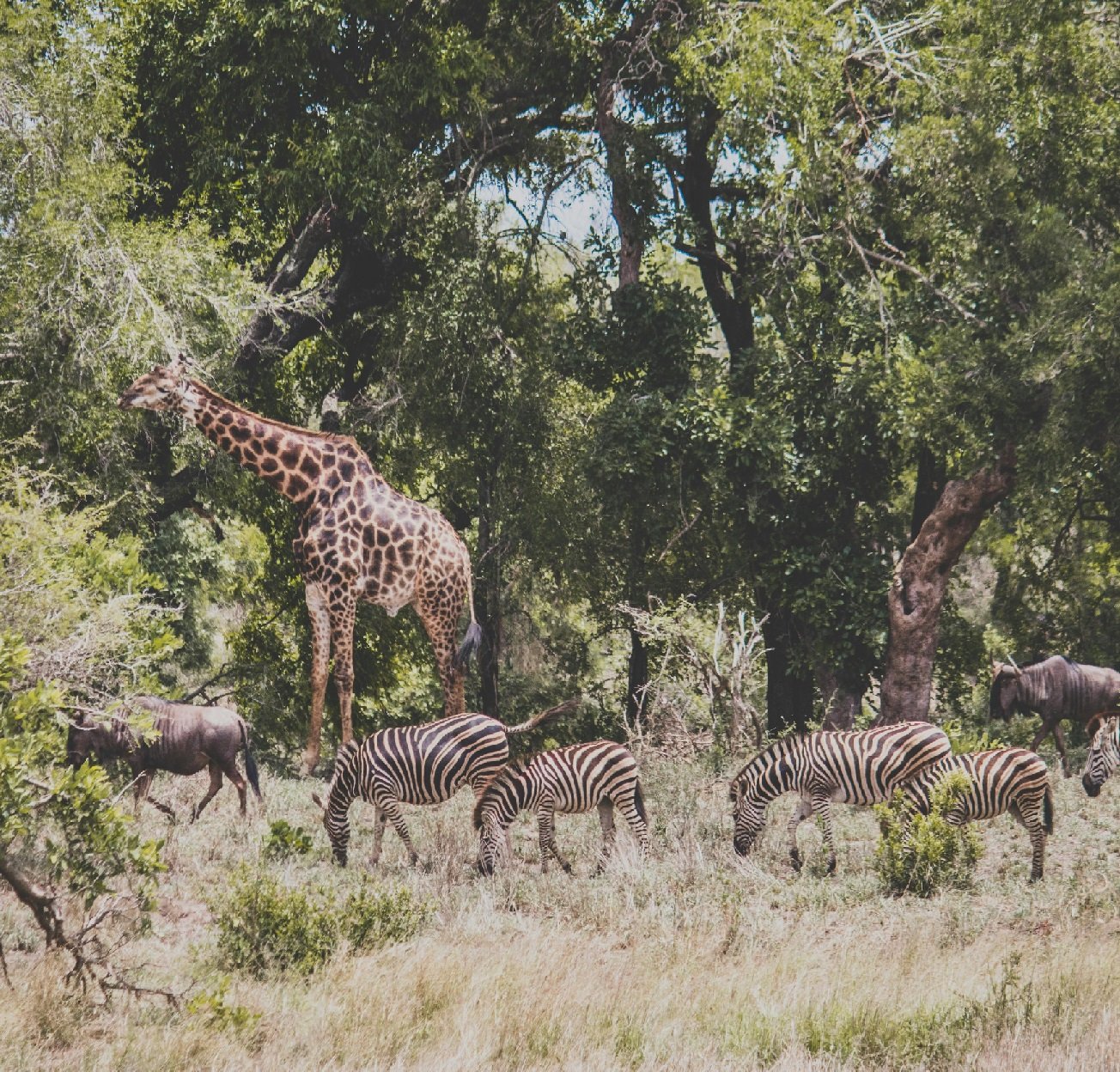
During the wet season, which typically occurs from November to April, the savannah landscape is transformed into a lush green paradise as rainfall rejuvenates the parched land. This period allows vegetation to flourish, providing food and shelter for a diverse range of wildlife, including elephants, giraffes, lions, and zebras. It is also a crucial time for farmers, as they plant crops such as maize and sorghum to sustain their communities throughout the year.
However, the wet season is followed by the dry season, lasting from May to October, when rainfall is scarce, and temperatures soar. As the land dries up and vegetation dwindles, wildlife must migrate in search of water and food, leading to conflicts with humans over limited resources. This phenomenon, known as human-wildlife conflict, poses a threat to both wildlife conservation efforts and the safety of local communities.
Climate change is exacerbating these challenges in the African Savannah, with rising temperatures and unpredictable rainfall patterns disrupting the delicate balance of the ecosystem. Droughts are becoming more frequent and severe, putting additional strain on water sources and agricultural productivity. In response, communities are implementing adaptation strategies such as water conservation measures, drought-resistant crop varieties, and alternative livelihoods to cope with the changing climate.
Efforts to mitigate the impact of climate change in the African Savannah include reforestation projects, sustainable land management practices, and wildlife conservation initiatives. By promoting resilience and sustainability in the face of environmental challenges, these efforts aim to safeguard the unique biodiversity of the region and improve the lives of its inhabitants.
In conclusion, the African Savannah climate has a profound impact on the ecosystem and communities that rely on its resources. As climate change continues to unfold, it is crucial to prioritize conservation and adaptation strategies to preserve this iconic landscape for future generations to enjoy.
Leave a Comment:
SEARCH
Recent News
- Zurich, Switzerland is a vibrant city known for its rich cultural scene and diverse music offerings. One unique aspect of Zurich's music scene is the presence of Sudanese music, which has found a home in the city's melting pot of cultures.
- Zurich, Switzerland is a vibrant city known for its picturesque landscapes, rich history, and diverse cultural scene. One fascinating aspect of Zurich's cultural tapestry is the influence of Sudanese culture in the city.
- Zurich, Switzerland is known for its multicultural atmosphere and diverse culinary scene. One of the lesser-known gems of Zurich's food scene is Sudanese cuisine. Sudanese cuisine is a reflection of the country's diverse cultural influences, blending Arabic, African, and Mediterranean flavors to create a unique and delicious culinary experience.
- Zurich, Switzerland, is a vibrant city known for its scenic beauty, rich history, and thriving business environment. One interesting aspect of Zurich's business landscape is the presence of Sudanese entrepreneurs who have made their mark in various industries in the city.
- Visiting Zurich, Switzerland, can be an enriching experience for music lovers from all corners of the world. While the city may not be the first place that comes to mind when thinking about South African music, Zurich's diverse music scene offers a glimpse into the vibrant sounds of this African nation.
- Zurich, Switzerland, is renowned for its picturesque landscapes, vibrant culture, and thriving economy. However, thousands of kilometers away in Russia, agriculture plays a crucial role in the country's economy and food production.
- Zurich, Switzerland is a vibrant city known for its stunning architecture, picturesque landscapes, and rich culture. One aspect of Zurich's cultural scene that often goes under the radar is its regional music. The city and its surrounding areas are home to a diverse range of musical styles, reflecting the multiculturalism and artistic diversity of the region.
- Top 5 Zurich Regional Movies You Must Watch
READ MORE
10 months ago Category :

Zurich, Switzerland is a vibrant city known for its rich cultural scene and diverse music offerings. One unique aspect of Zurich's music scene is the presence of Sudanese music, which has found a home in the city's melting pot of cultures.
Read More →10 months ago Category :

Zurich, Switzerland is a vibrant city known for its picturesque landscapes, rich history, and diverse cultural scene. One fascinating aspect of Zurich's cultural tapestry is the influence of Sudanese culture in the city.
Read More →10 months ago Category :

Zurich, Switzerland is known for its multicultural atmosphere and diverse culinary scene. One of the lesser-known gems of Zurich's food scene is Sudanese cuisine. Sudanese cuisine is a reflection of the country's diverse cultural influences, blending Arabic, African, and Mediterranean flavors to create a unique and delicious culinary experience.
Read More →10 months ago Category :
