The African grasslands, also known as savannahs, are vast landscapes characterized by tall grasses, scattered trees, and a unique climate that supports a diverse array of plants and animals. The savannah climate is classified as tropical, with distinct wet and dry seasons that drive the ecosystems' dynamics.
Category : African Grasslands en | Sub Category : Savannah Climate Posted on 2023-07-07 21:24:53
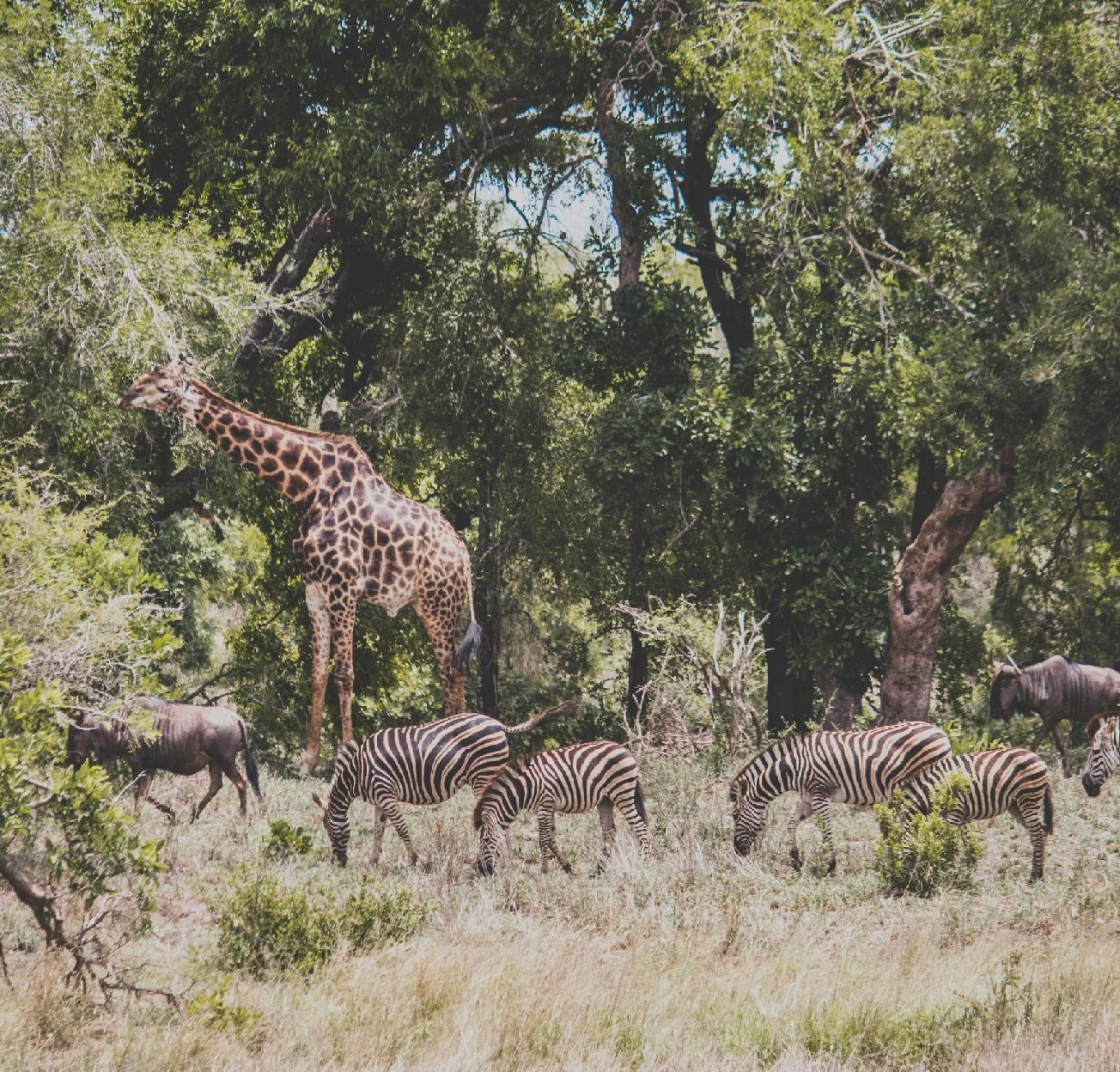
The African grasslands, also known as savannahs, are vast landscapes characterized by tall grasses, scattered trees, and a unique climate that supports a diverse array of plants and animals. The savannah climate is classified as tropical, with distinct wet and dry seasons that drive the ecosystems' dynamics.
During the wet season, typically occurring in the summer months, the savannahs receive ample rainfall that nourishes the vegetation and supports lush plant growth. The grasses grow tall and green, providing an abundant food source for herbivores such as zebras, giraffes, and wildebeests. The trees in the savannah, including acacias and baobabs, also thrive during this time, offering shade and shelter for the wildlife.
As the wet season transitions to the dry season, the savannah undergoes dramatic changes. The rainfall decreases significantly, leading to drought conditions that challenge the plants and animals. The grasses dry up and turn golden brown, providing a stark contrast to the green landscape of the wet season. Many trees shed their leaves to conserve water, creating a sparse and open landscape.
Despite the harsh conditions of the dry season, the savannah's inhabitants have adapted to survive. Grazing animals like elephants and antelopes migrate in search of water and food, while predators such as lions and hyenas become more active in hunting for prey weakened by the scarcity of resources. Some plants have evolved mechanisms to withstand drought, such as deep root systems or waxy coatings on leaves to prevent water loss.
The cycle of wet and dry seasons in the African grasslands plays a crucial role in shaping the biodiversity of the region. The alternating conditions create an ever-changing environment that selects for species with diverse adaptations, leading to a complex web of interactions between plants and animals. The savannah climate is essential for maintaining the delicate balance of ecosystems and supporting the incredible diversity of life that thrives in these iconic landscapes.
Leave a Comment:
SEARCH
Recent News
- Zurich, Switzerland is a vibrant city known for its rich cultural scene and diverse music offerings. One unique aspect of Zurich's music scene is the presence of Sudanese music, which has found a home in the city's melting pot of cultures.
- Zurich, Switzerland is a vibrant city known for its picturesque landscapes, rich history, and diverse cultural scene. One fascinating aspect of Zurich's cultural tapestry is the influence of Sudanese culture in the city.
- Zurich, Switzerland is known for its multicultural atmosphere and diverse culinary scene. One of the lesser-known gems of Zurich's food scene is Sudanese cuisine. Sudanese cuisine is a reflection of the country's diverse cultural influences, blending Arabic, African, and Mediterranean flavors to create a unique and delicious culinary experience.
- Zurich, Switzerland, is a vibrant city known for its scenic beauty, rich history, and thriving business environment. One interesting aspect of Zurich's business landscape is the presence of Sudanese entrepreneurs who have made their mark in various industries in the city.
- Visiting Zurich, Switzerland, can be an enriching experience for music lovers from all corners of the world. While the city may not be the first place that comes to mind when thinking about South African music, Zurich's diverse music scene offers a glimpse into the vibrant sounds of this African nation.
- Zurich, Switzerland, is renowned for its picturesque landscapes, vibrant culture, and thriving economy. However, thousands of kilometers away in Russia, agriculture plays a crucial role in the country's economy and food production.
- Zurich, Switzerland is a vibrant city known for its stunning architecture, picturesque landscapes, and rich culture. One aspect of Zurich's cultural scene that often goes under the radar is its regional music. The city and its surrounding areas are home to a diverse range of musical styles, reflecting the multiculturalism and artistic diversity of the region.
- Top 5 Zurich Regional Movies You Must Watch
READ MORE
10 months ago Category :

Zurich, Switzerland is a vibrant city known for its rich cultural scene and diverse music offerings. One unique aspect of Zurich's music scene is the presence of Sudanese music, which has found a home in the city's melting pot of cultures.
Read More →10 months ago Category :

Zurich, Switzerland is a vibrant city known for its picturesque landscapes, rich history, and diverse cultural scene. One fascinating aspect of Zurich's cultural tapestry is the influence of Sudanese culture in the city.
Read More →10 months ago Category :

Zurich, Switzerland is known for its multicultural atmosphere and diverse culinary scene. One of the lesser-known gems of Zurich's food scene is Sudanese cuisine. Sudanese cuisine is a reflection of the country's diverse cultural influences, blending Arabic, African, and Mediterranean flavors to create a unique and delicious culinary experience.
Read More →10 months ago Category :
