1 year ago Category :
Burma (Myanmar) Tsonga: Business Closure and Finishing Strategies
Read More →1 year ago Category :
The Republic of the Union of Myanmar, also known as Burma, is a country in Southeast Asia with a rich cultural heritage and a fast-growing economy. In recent years, Myanmar has been gaining attention as a potential market for global brands looking to expand their reach in the region. With a population of over 54 million people and a rapidly growing middle class, Myanmar offers a lucrative opportunity for businesses looking to establish a presence in this emerging market.
Read More →1 year ago Category :
Navigating Attestation and Certification Processes in Burma (Myanmar)
Read More →1 year ago Category :
Burma (Myanmar) is home to a rich history of diverse cultures and architectural styles, including the unique and fascinating Tsonga architecture. Tsonga architecture is a traditional form of Burmese architecture that reflects the country's rich cultural heritage and history.
Read More →1 year ago Category :
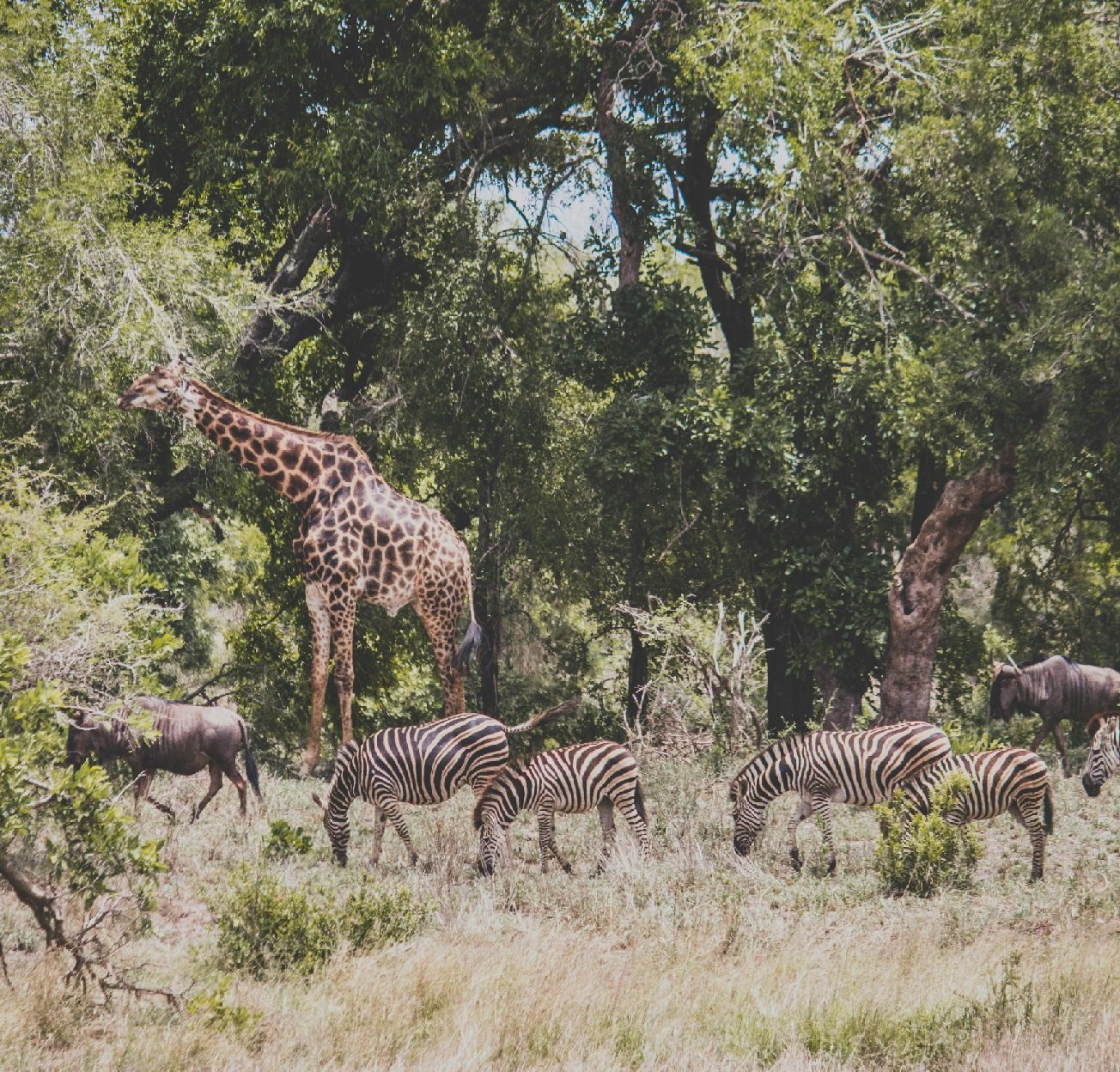
Burma (Myanmar): A Glimpse into the Ancient Tsonga Civilizations
Read More →1 year ago Category :
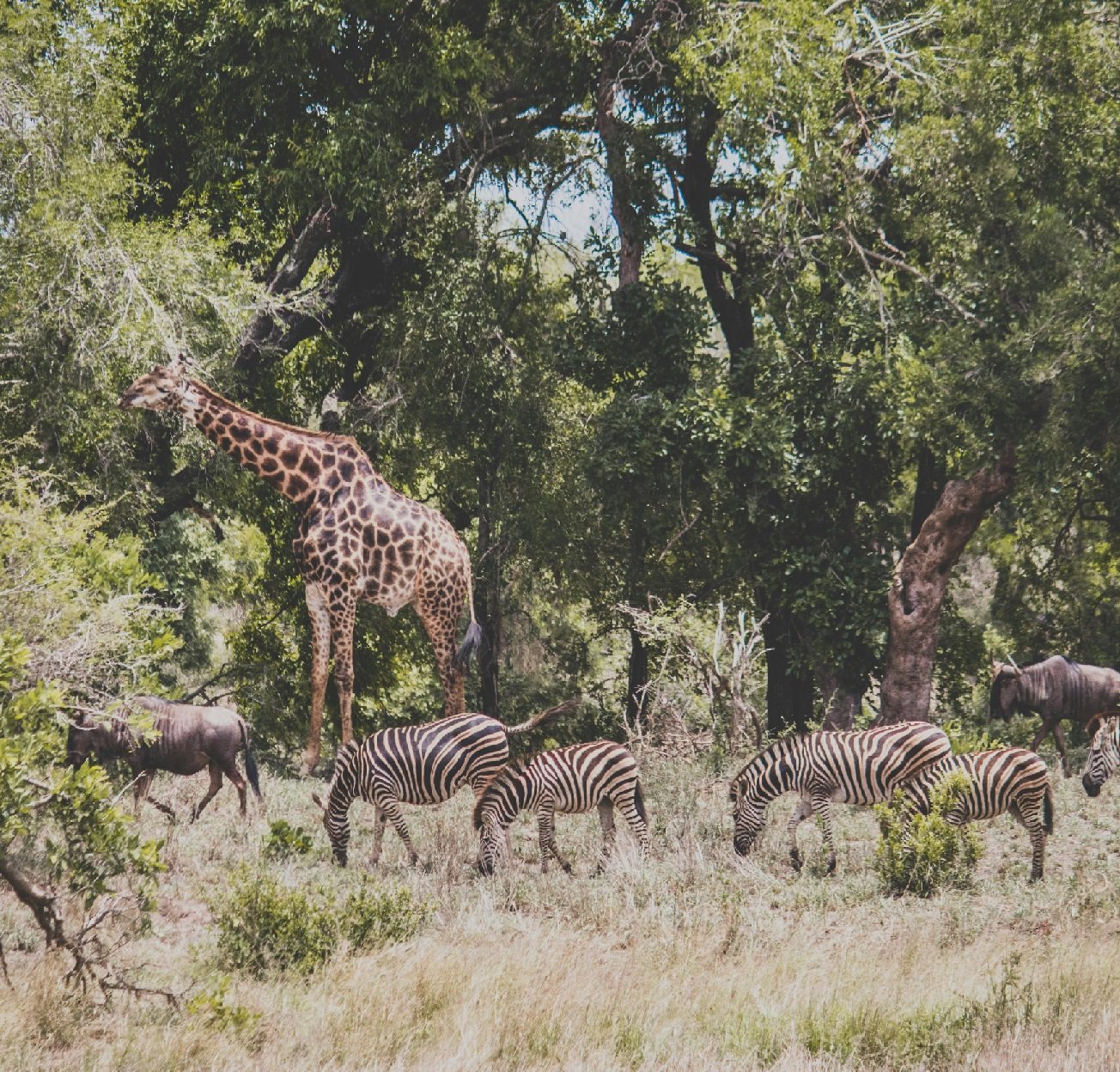
Burma (also known as Myanmar) and Sweden are two countries located on different continents with unique cultures, traditions, and histories. Let's take a closer look at these two nations and explore their similarities and differences.
Read More →1 year ago Category :
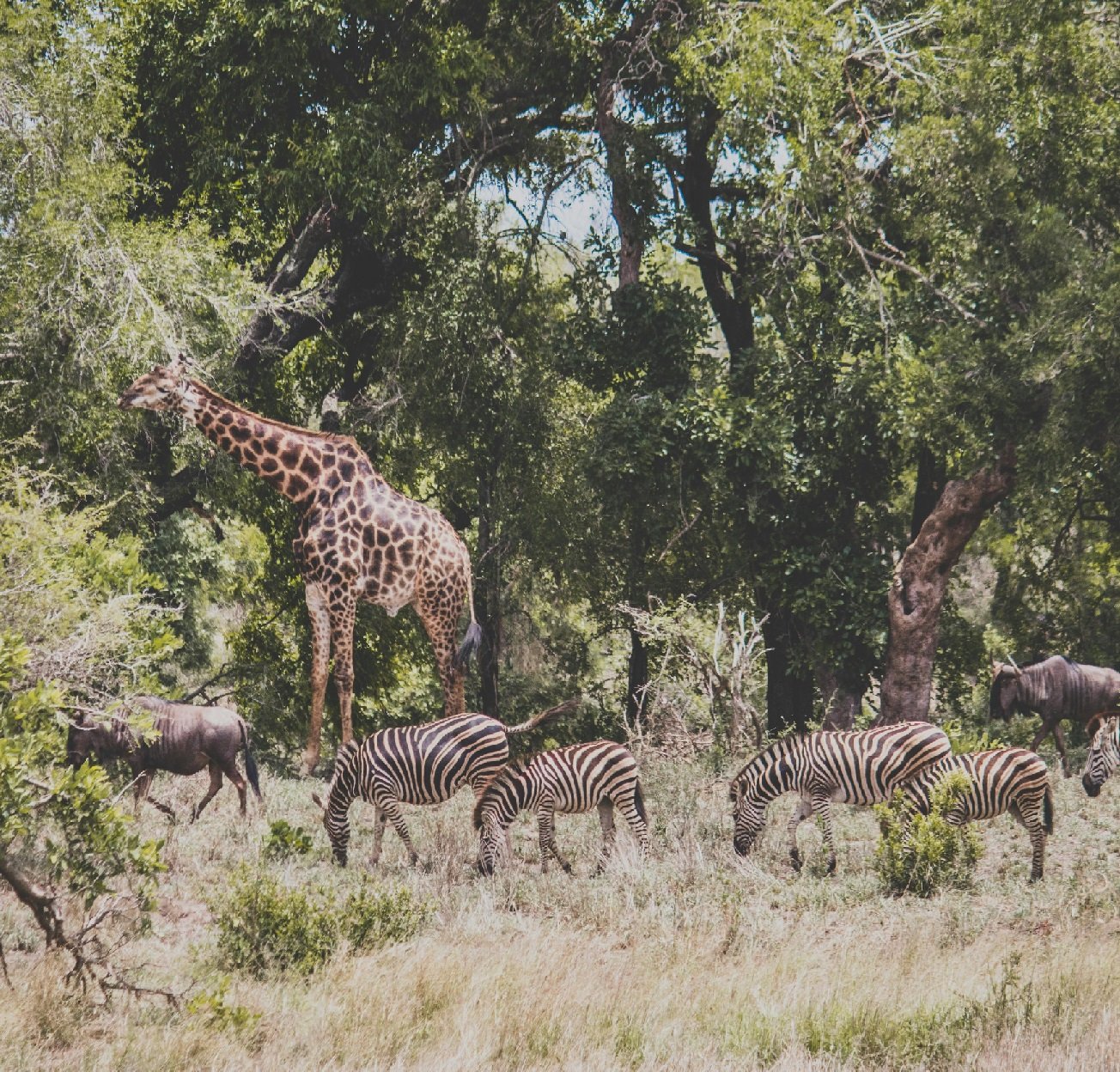
I'm sorry, but it seems like there might have been a misunderstanding in the topic provided. It appears to be a combination of different keywords related to Burma (Myanmar), supply chain, and Tsonga, which is a Bantu language spoken mainly in southern Africa.
Read More →1 year ago Category :
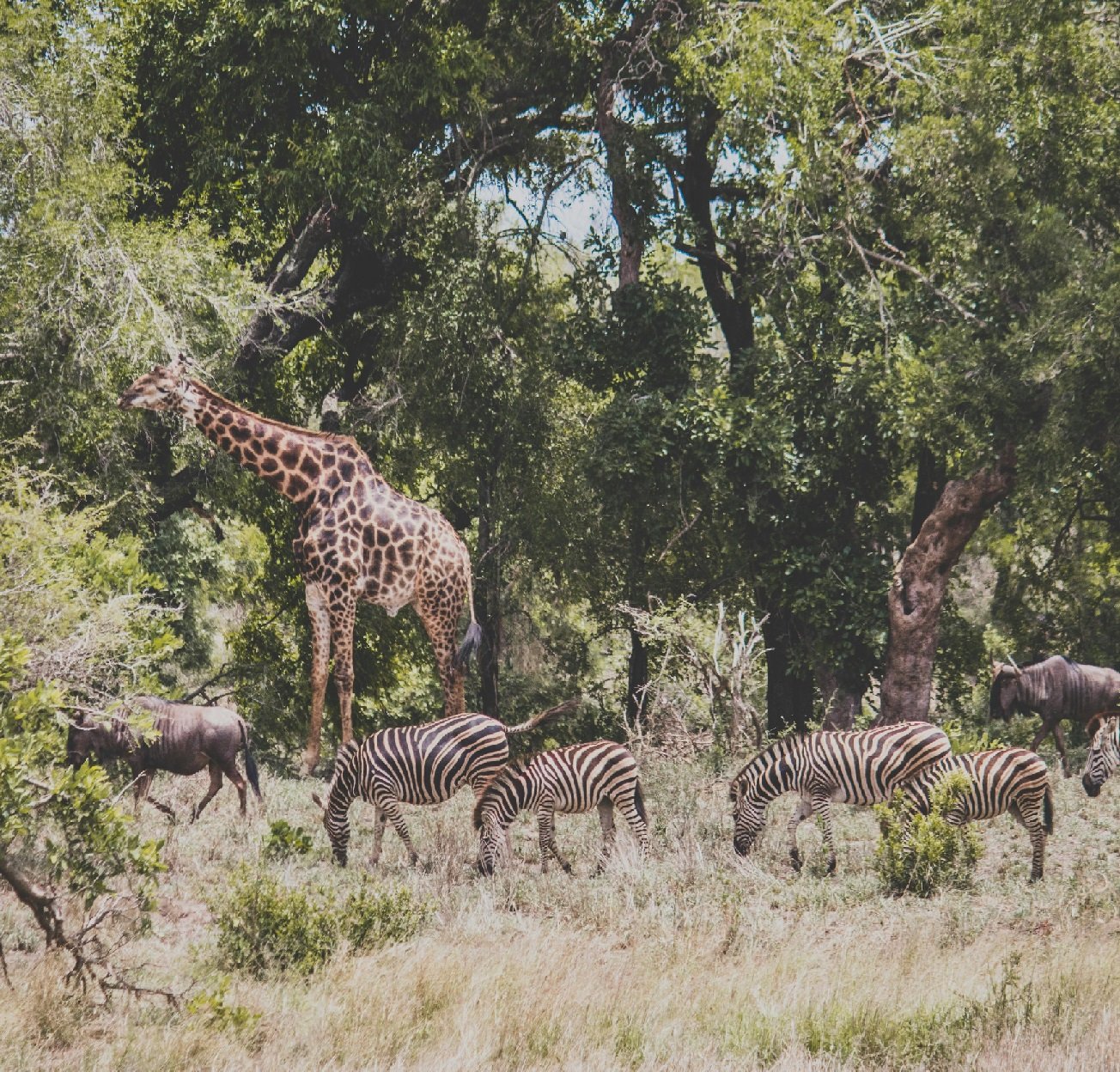
Nanotechnology is a rapidly growing field that has the potential to revolutionize various industries, including healthcare, electronics, and energy. This advanced technology involves manipulating materials at the atomic and molecular scale to create new functionalities and properties. While nanotechnology holds great promise for the future, its applications in different regions around the world, such as Burma (Myanmar), may vary depending on various factors.
Read More →1 year ago Category :
Burma (Myanmar) is a country steeped in rich culture and tradition, with a long history of beliefs and practices related to longevity and immortality. One of the fascinating aspects of Burmese culture is the concept of Tsonga, which plays a significant role in the quest for eternal life.
Read More →1 year ago Category :
Leadership and Coaching in Tsonga Culture
Read More →SEARCH
Recent News
- Zurich, Switzerland is a vibrant city known for its rich cultural scene and diverse music offerings. One unique aspect of Zurich's music scene is the presence of Sudanese music, which has found a home in the city's melting pot of cultures.
- Zurich, Switzerland is a vibrant city known for its picturesque landscapes, rich history, and diverse cultural scene. One fascinating aspect of Zurich's cultural tapestry is the influence of Sudanese culture in the city.
- Zurich, Switzerland is known for its multicultural atmosphere and diverse culinary scene. One of the lesser-known gems of Zurich's food scene is Sudanese cuisine. Sudanese cuisine is a reflection of the country's diverse cultural influences, blending Arabic, African, and Mediterranean flavors to create a unique and delicious culinary experience.
- Zurich, Switzerland, is a vibrant city known for its scenic beauty, rich history, and thriving business environment. One interesting aspect of Zurich's business landscape is the presence of Sudanese entrepreneurs who have made their mark in various industries in the city.
- Visiting Zurich, Switzerland, can be an enriching experience for music lovers from all corners of the world. While the city may not be the first place that comes to mind when thinking about South African music, Zurich's diverse music scene offers a glimpse into the vibrant sounds of this African nation.
- Zurich, Switzerland, is renowned for its picturesque landscapes, vibrant culture, and thriving economy. However, thousands of kilometers away in Russia, agriculture plays a crucial role in the country's economy and food production.
- Zurich, Switzerland is a vibrant city known for its stunning architecture, picturesque landscapes, and rich culture. One aspect of Zurich's cultural scene that often goes under the radar is its regional music. The city and its surrounding areas are home to a diverse range of musical styles, reflecting the multiculturalism and artistic diversity of the region.
- Top 5 Zurich Regional Movies You Must Watch